Understanding AI contract management software in 2026

9 min read

Contract management has evolved from filing cabinets and shared drives to sophisticated AI-powered platforms that fundamentally transform how organizations handle agreements. AI contract management software leverages machine learning, natural language processing, and large language models to extract structured data from contracts, automate workflows, and provide intelligent insights throughout the entire contract lifecycle—from initial drafting through renewal tracking. The timing couldn't be more critical. Organizations manage thousands of contracts containing billions in value, yet most still rely on manual processes that consume hundreds of hours and introduce significant risk. Contract terms directly impact revenue recognition, compliance obligations, and operational costs, but these critical details often remain buried in unstructured documents. Modern AI contract management platforms solve this by converting contract text into actionable data, automating routine tasks, and connecting contract intelligence to broader business systems. When evaluating these platforms, focus on four key areas: automation capabilities and collaboration features, data organization and accessibility, integration with existing workflows, and measurable performance outcomes. The right platform should reduce manual effort while improving accuracy and providing clear ROI through faster cycle times and better risk management.

What AI contract management software actually does

AI contract management platforms address the fundamental challenge of turning unstructured legal text into structured business data. These systems ingest contracts in various formats—PDFs, Word documents, scanned images—and use machine learning models to identify and extract key information like parties, dates, payment terms, termination clauses, and renewal conditions. The core technology stack combines several AI approaches. Natural language processing models, often built on transformer architectures similar to those powering modern language models, classify contract clauses and extract specific data points. Information extraction pipelines identify entities and relationships within contract text. Many platforms now integrate large language models through retrieval-augmented generation (RAG) approaches, which ground AI responses in actual contract content to reduce hallucinations and improve accuracy. Common workflows include automated contract ingestion and processing, AI-assisted authoring using approved clause libraries, intelligent redlining that suggests changes based on company playbooks, obligation tracking that monitors deadlines and renewals, and semantic search that lets users ask natural language questions about their contract portfolio. Risk scoring mechanisms flag potentially problematic terms, while analytics dashboards provide insights into contract performance and compliance status. Legal teams, procurement professionals, sales operations, and finance departments typically use these platforms. In procurement, teams can automatically extract supplier terms and pricing. Sales operations can accelerate deal cycles by automating contract reviews and approvals. Legal departments can standardize language and ensure compliance across all agreements. Finance teams gain visibility into revenue recognition triggers and spending commitments that directly impact forecasting.

Making sense of your options

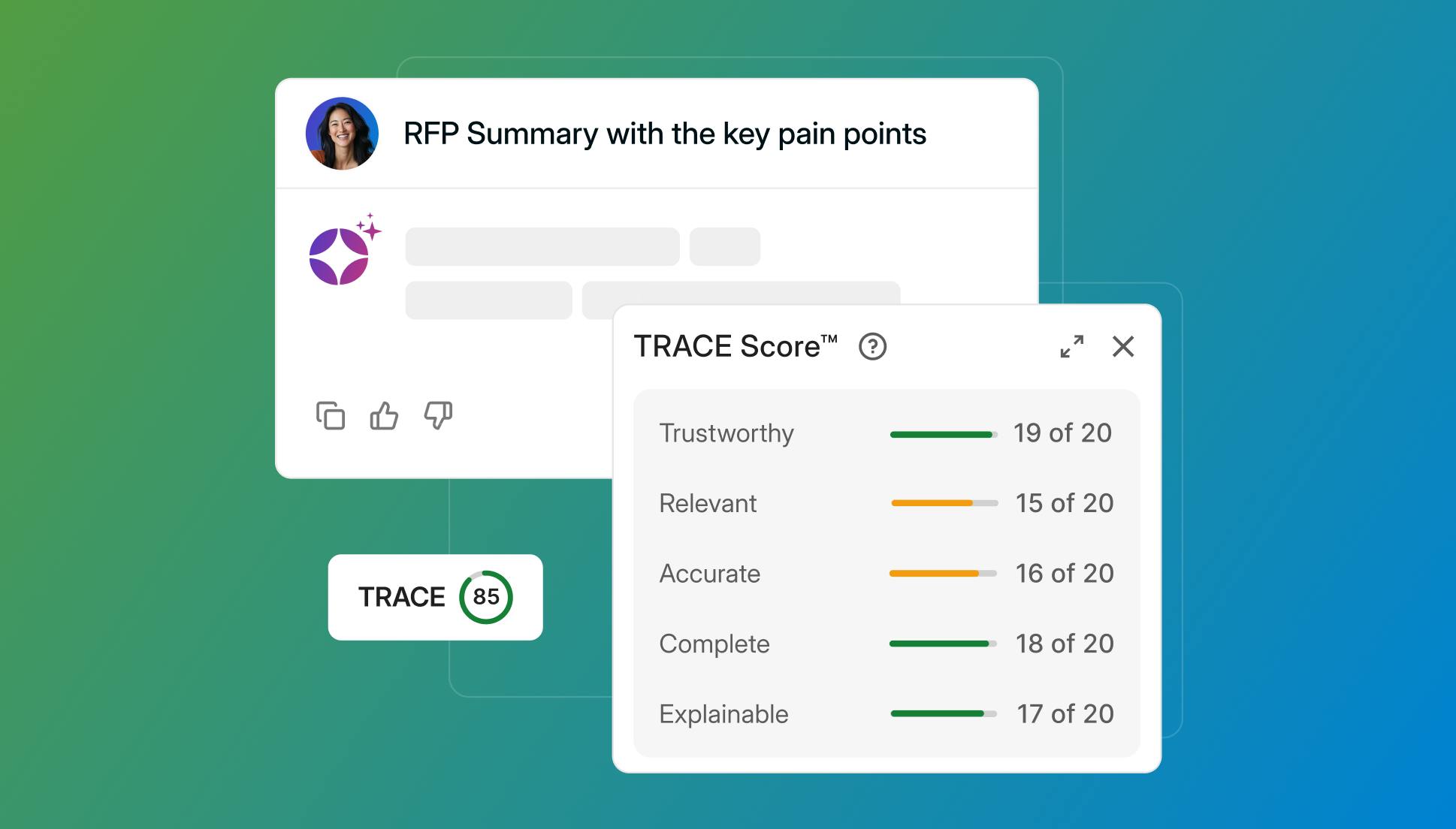
Automation and collaboration capabilities represent the most immediate value drivers. Look for platforms that can handle your specific contract types and extract the data points that matter most to your workflows. The best systems don't just digitize existing processes—they redesign them around intelligent automation. Can the platform automatically route contracts for review based on risk scores? Does it suggest appropriate clause language based on the deal context? Can it flag deviations from standard terms without human intervention? Collaboration features should connect legal, procurement, sales, and finance teams within shared workflows. Real-time commenting, version control, and approval routing reduce the back-and-forth that typically extends contract cycles. Integration with communication tools and project management systems keeps everyone aligned without forcing users to work within yet another isolated platform. Data and content management capabilities determine long-term value. Your contract data becomes increasingly valuable as the platform learns from your specific language patterns and business terms. Look for systems that create comprehensive metadata from contract text, maintain detailed audit trails, and provide flexible reporting capabilities. The platform should handle various document formats and languages while maintaining data integrity throughout the contract lifecycle. Search functionality should go beyond keyword matching to support semantic queries. Users should be able to ask "Which contracts auto-renew in Q3?" or "What are our standard payment terms with enterprise customers?" and receive accurate, sourced responses. Version control and change tracking ensure teams always work with current information while maintaining historical context. Integration impact measures how well the platform fits into your existing technology ecosystem. Modern contract management doesn't exist in isolation—it connects to CRM systems for sales contract data, ERP platforms for procurement terms, HR systems for employment agreements, and financial systems for revenue recognition. Evaluate pre-built connectors, API flexibility, and data synchronization capabilities. The most successful implementations integrate contract data into existing business processes rather than creating parallel workflows. When contract terms automatically flow into invoice approval systems or renewal dates populate CRM opportunity records, teams get value without changing how they work. Results and trust factors ultimately determine platform success. Accuracy metrics matter enormously—extraction errors create downstream problems that can exceed any efficiency gains. Ask vendors for specific performance data on your contract types and request proof-of-concept demonstrations with your actual documents. Compliance and security capabilities must meet your industry requirements. Many contracts contain sensitive information subject to various regulations. Platforms should provide audit trails, role-based access controls, and data residency options. Look for relevant certifications like SOC 2, ISO 27001, and industry-specific compliance attestations. ROI measurement should include both hard savings (reduced processing time, fewer errors) and soft benefits (faster deal cycles, improved compliance). Many organizations see 50-75% reductions in contract processing time and significant improvements in obligation compliance.

What separates good platforms from great ones

The AI contract management market has consolidated rapidly through acquisitions, but meaningful differences remain between platforms. The most important distinction lies in how deeply the AI capabilities integrate with actual business processes rather than simply automating existing manual tasks. Superior platforms don't just extract data—they provide business intelligence. They identify patterns across your contract portfolio, flag unusual terms that might indicate problems, and provide predictive insights about renewal likelihood or risk exposure. They learn from your specific contract language and business terms to improve accuracy over time. When evaluating vendors, ask these critical questions: How does the platform handle contracts that don't match standard templates? What happens when extraction confidence is low? How does the system learn from corrections and feedback? Can the platform explain why it classified a clause a certain way? How does it handle multi-language contracts or complex document structures? Security and governance capabilities vary significantly between platforms. Enterprise buyers should understand exactly where their data is processed, how models are trained, and what controls exist around AI decision-making. The most mature platforms provide detailed model governance documentation and allow customers to control how their data is used for training purposes.

The strategic advantage of getting this right

AI contract management platforms represent more than workflow automation—they create competitive advantages through better contract intelligence and faster business cycles. Organizations that implement these systems effectively reduce legal bottlenecks, improve compliance, and make better-informed business decisions based on comprehensive contract data. The most critical evaluation criteria remain integration capabilities and measurable performance outcomes. Platforms that seamlessly connect contract data to existing business systems provide ongoing value well beyond initial efficiency gains. Accuracy and reliability in data extraction form the foundation for all other benefits—prioritize vendors who can demonstrate consistent performance on your specific contract types. Looking ahead, expect continued advancement in generative AI capabilities, deeper integration with enterprise software ecosystems, and more sophisticated contract intelligence features. The platforms that combine proven extraction accuracy with emerging generative capabilities, while maintaining appropriate governance controls, will define the next generation of contract management technology. Choose vendors who demonstrate both current performance and clear innovation roadmaps aligned with your long-term business strategy.

FAQs

Q: How does AI contract management software actually work and what benefits does it provide?

A: AI contract management platforms use machine learning, natural language processing, and large language models to convert unstructured contract text into structured business data. The software ingests contracts in various formats (PDFs, Word documents, scanned images) and automatically extracts key information like parties, dates, payment terms, and renewal conditions. This transforms manual contract review processes into intelligent workflows that can identify risks, suggest clause language, automate approvals, and track obligations—delivering measurable benefits through faster cycle times, improved compliance, and better risk management.

Q: What specific tasks can be automated and how much time does this typically save?

A: The platforms automate contract ingestion and processing, AI-assisted authoring using approved clause libraries, intelligent redlining based on company playbooks, obligation tracking for deadlines and renewals, and semantic search capabilities. Common automated workflows include automatically routing contracts for review based on risk scores, flagging deviations from standard terms, and extracting supplier terms and pricing for procurement teams. Organizations typically see 50-75% reductions in contract processing time, with some implementations eliminating hundreds of manual hours previously spent on routine contract tasks.

Q: How do these platforms integrate with existing business systems and handle contract data?

A: Modern AI contract management platforms connect to CRM systems for sales contract data, ERP platforms for procurement terms, HR systems for employment agreements, and financial systems for revenue recognition through pre-built connectors and flexible APIs. The platforms create comprehensive metadata from contract text, maintain detailed audit trails, and provide semantic search that goes beyond keyword matching—allowing users to ask questions like "Which contracts auto-renew in Q3?" The most successful implementations integrate contract data into existing business processes rather than creating parallel workflows, so contract terms automatically flow into downstream systems.

Q: What are the limitations and where is human oversight still required?

A: While AI contract management platforms provide significant automation, human judgment remains critical for legal correctness, complex negotiations, and strategic decisions. Extraction and classification performance can vary based on contract styles and language complexity, and AI outputs may occasionally contain errors or hallucinations. Legal teams must still review AI-suggested changes, approve non-standard terms, and make final decisions on contract language. The platforms work best when they enhance human expertise rather than replace it, with appropriate governance controls and audit trails to ensure accountability.

Q: What should organizations look for when evaluating AI contract management platforms?

A: Focus on four key evaluation areas: automation capabilities that handle your specific contract types and collaboration features that connect legal, procurement, sales, and finance teams; data organization that creates searchable metadata and provides flexible reporting; integration capabilities with your existing CRM, ERP, and financial systems; and measurable performance outcomes including accuracy metrics and ROI demonstration. Ask vendors for specific performance data on your contract types, request proof-of-concept demonstrations with your actual documents, and verify security certifications like SOC 2 and ISO 27001. The best platforms combine proven extraction accuracy with emerging generative AI capabilities while maintaining appropriate governance controls.