AI deal desk automation software transforms how sales teams handle the complex journey from initial quote to final contract signature. This category combines artificial intelligence with traditional configure-price-quote (CPQ) and contract lifecycle management (CLM) systems to automate repetitive tasks, enforce pricing policies, and guide deal approvals through intelligent workflows. Instead of sales operations teams manually reviewing every discount request or legal teams drafting contracts from scratch, these systems use machine learning models and large language models to streamline decisions while keeping humans in the loop for strategic judgment calls. The technology has evolved rapidly, particularly since 2022 when generative AI capabilities began transforming contract drafting and conversational quoting. Major CRM vendors like Salesforce introduced Einstein GPT features in 2023, while Microsoft rolled out Copilot for Sales functionality. This timing matters because companies are under increasing pressure to accelerate sales cycles while maintaining compliance and reducing revenue leakage—challenges that manual processes can't scale to meet. Organizations evaluating these systems should focus on four key areas: automation capabilities that reduce manual work, data management that ensures accuracy and accessibility, integration requirements that fit existing workflows, and measurable results that justify investment. The stakes are high—effective implementation can reduce quote-to-cash time by weeks while improving deal consistency and compliance.
What modern deal desk automation actually does
At its core, this software category addresses the fundamental bottlenecks in complex B2B sales processes. When a sales representative needs to configure a multi-product solution, determine appropriate pricing, secure approval for discounts, and generate contracts, traditional approaches require multiple handoffs between sales, operations, legal, and finance teams. Each touchpoint introduces delays and potential errors. The technology stack combines several AI approaches to tackle different aspects of this workflow. Constraint-based configuration engines ensure that product combinations are technically valid—particularly important in manufacturing where invalid configurations could create unbuildable products. Pricing optimization engines use machine learning models to analyze historical deals, market conditions, and customer characteristics to recommend competitive prices and optimal discount levels. Natural language processing capabilities, often built on transformer models like BERT or fine-tuned large language models, extract key terms from existing contracts and assist with drafting new clauses. Retrieval-augmented generation (RAG) systems ground AI responses in company-specific documents and policies, reducing the risk of hallucinated or inappropriate recommendations. The software typically serves deal desk specialists who orchestrate complex sales processes, sales representatives who need guided selling assistance, pricing managers who set policies and approval thresholds, and legal teams who review non-standard contract terms. Industries with complex product configurations—like manufacturing—or intricate pricing models—like enterprise software—see the most immediate benefits.
What to evaluate when choosing a solution
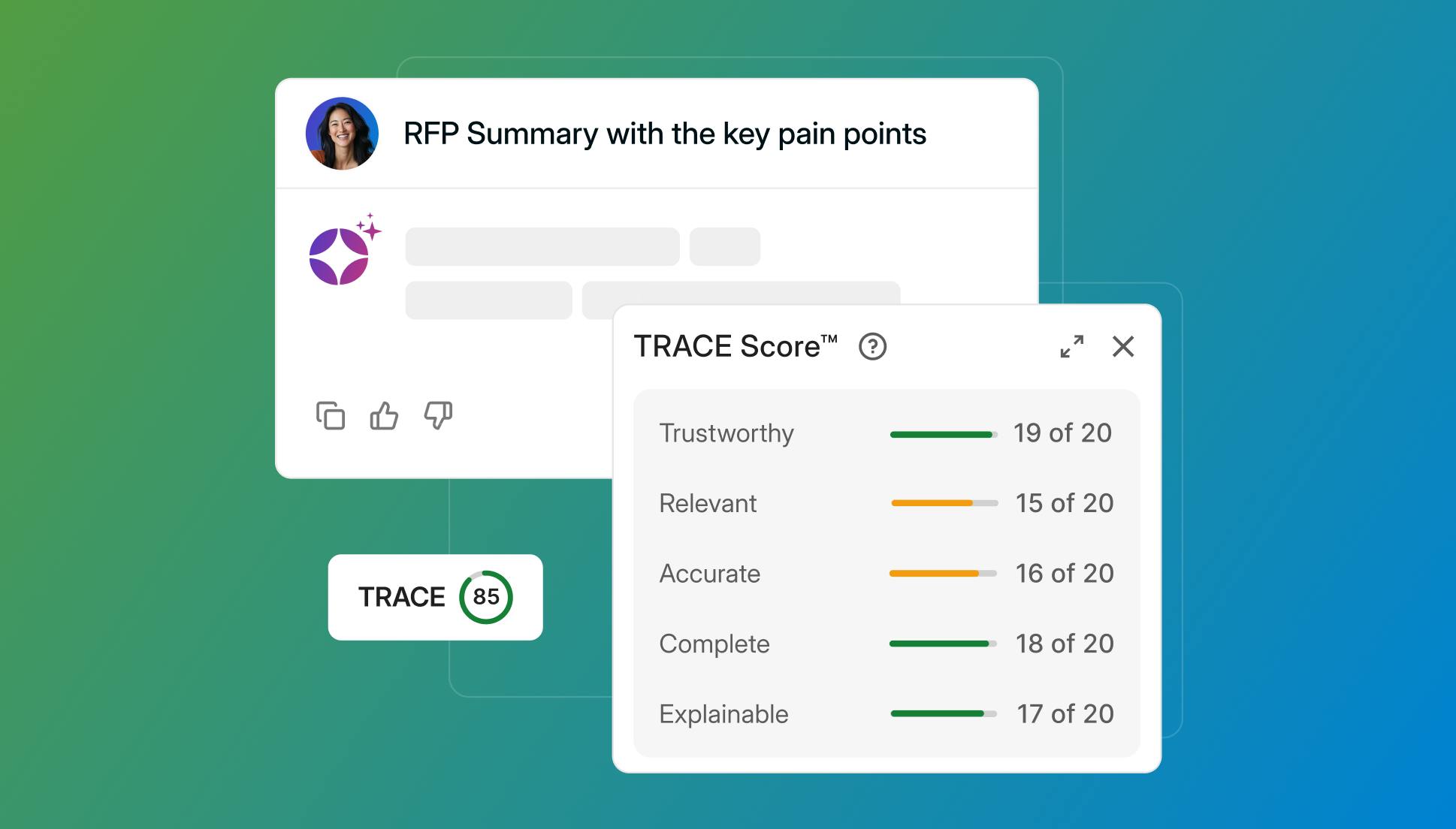
Automation and collaboration capabilities The most valuable systems automate routine decisions while escalating complex situations to appropriate experts. Look for software that can automatically approve standard discounts within policy guidelines, route non-standard requests to the right approvers, and maintain audit trails of all decisions. The collaboration features should enable cross-functional teams to work on deals simultaneously without version control issues or communication gaps. Effective automation extends beyond simple rule-based workflows. Modern systems use predictive models to score deal likelihood, recommend optimal pricing strategies, and identify potential compliance issues before they become problems. The key is ensuring the system enhances human judgment rather than replacing it entirely. Data and content management Deal desk automation systems are only as good as the data they can access and the content they can generate. Evaluate how well potential solutions handle product catalogs, pricing matrices, contract libraries, and customer data. The system should maintain consistent, up-to-date information across all touchpoints while providing easy access to historical deal data and precedent contracts. Content management becomes critical when AI generates quotes and contracts. The system should maintain approved clause libraries, enforce brand standards, and ensure legal compliance. Look for features that track document versions, manage approvals, and provide templates that reduce drafting time while maintaining quality. Integration impact The most successful implementations integrate seamlessly with existing CRM, ERP, and document management systems. Rather than creating additional silos, the right solution should enhance current workflows by providing AI capabilities within familiar interfaces. This means evaluating not just technical integration capabilities but also user experience consistency. Consider how the system handles data synchronization, single sign-on requirements, and mobile access. Sales teams increasingly work across multiple devices and locations, so the solution should provide consistent functionality regardless of how users access it. Results and trust factors Accuracy and reliability form the foundation of successful deal desk automation. Evaluate how potential vendors measure and report on system performance, including pricing recommendation accuracy, contract clause suggestion quality, and approval workflow efficiency. Look for solutions that provide explainable AI features so users understand why specific recommendations were made. Compliance capabilities deserve special attention, particularly in regulated industries. The system should maintain detailed audit logs, support compliance reporting requirements, and provide controls for sensitive data handling. ROI measurement should encompass both quantitative metrics like cycle time reduction and qualitative benefits like improved deal consistency and reduced legal risk.
What distinguishes leading solutions from the rest
The deal desk automation market includes both established enterprise software vendors and emerging AI-focused startups, making careful evaluation essential. Leading solutions distinguish themselves through deep integration capabilities that work with existing systems rather than requiring wholesale replacement, sophisticated AI models that have been trained on relevant business contexts, and proven track records with measurable results. The most effective systems balance automation with human oversight, providing AI assistance without removing necessary controls. They offer deployment flexibility—whether cloud-based for faster implementation or on-premises for enhanced security—while maintaining consistent functionality across different environments. Key questions to guide your selection process: How does the system handle edge cases that fall outside normal parameters? What level of customization is possible without requiring extensive development resources? How does the vendor approach data privacy and security, particularly when using third-party AI services? What evidence can they provide of successful implementations in similar organizations?
The strategic advantage of getting this right
AI deal desk automation software represents a significant opportunity to transform sales operations from a cost center focused on process compliance into a strategic advantage that accelerates revenue while reducing risk. Organizations that implement these systems effectively report faster sales cycles, more consistent pricing, improved compliance, and better resource allocation as deal desk experts focus on complex negotiations rather than routine approvals. The most critical evaluation criteria center on integration capabilities that enhance rather than disrupt existing workflows, AI accuracy that builds user confidence over time, and measurable results that justify ongoing investment. Security and compliance features deserve particular attention given the sensitive nature of pricing and contract data. Looking ahead, expect continued advancement in agentic AI capabilities that can handle more complex deal scenarios autonomously, improved long-context language models that can reason across entire deal histories, and enhanced explainability features that meet evolving regulatory requirements. Organizations that establish strong foundations now will be better positioned to capitalize on these emerging capabilities as they mature.
FAQs
Q: How does AI deal desk automation actually work and what benefits does it provide?
A: AI deal desk automation combines artificial intelligence with traditional CPQ and CLM systems to streamline the entire quote-to-cash workflow. The technology uses constraint-based configuration engines to ensure valid product combinations, machine learning models for pricing optimization and deal scoring, and natural language processing to extract contract terms and assist with clause drafting. Instead of manual handoffs between sales, operations, legal, and finance teams, the system automates routine approvals, routes complex decisions to appropriate experts, and maintains audit trails throughout the process, resulting in faster sales cycles, reduced revenue leakage, and improved compliance.
Q: What repetitive tasks can this software automate and how much time does it save?
A: The software automates quote creation through conversational interfaces, enforces pricing policies and discount guardrails automatically, routes approval workflows to the right stakeholders, generates contracts using AI-assisted drafting, and handles digital signature integration and billing handoffs. Organizations report measurable reductions in quote-to-cash time by weeks, with deal desk specialists able to focus on strategic negotiations rather than clerical work. The automation is particularly impactful for routine decisions within policy guidelines, while escalating non-standard requests that require human judgment.
Q: How does AI deal desk automation integrate with existing CRM and ERP systems?
A: Leading solutions integrate seamlessly with existing CRM, ERP, and document management systems rather than creating additional silos. They provide consistent functionality within familiar interfaces through single sign-on and mobile access, while using retrieval-augmented generation systems to ground AI responses in company-specific documents and policies. The systems maintain up-to-date product catalogs, pricing matrices, and contract libraries across all touchpoints, with data synchronization that ensures accuracy and accessibility for sales teams working across multiple devices and locations.
Q: What are the limitations of AI deal desk automation and where is human oversight still required?
A: While AI excels at routine decisions and recommendations, human oversight remains critical for strategic judgment calls, complex negotiations, and non-standard contract terms. Key limitations include potential AI hallucination in contract drafting, model bias in pricing recommendations, and the need for legal review of AI-generated clauses. The most effective systems balance automation with human control, providing explainable AI features so users understand recommendation rationale, maintaining detailed audit trails for compliance, and ensuring humans remain in the loop for high-risk or unusual deals.
Q: What should organizations evaluate when choosing an AI deal desk automation solution?
A: Focus on four key areas: automation capabilities that handle routine tasks while escalating complex decisions appropriately, data management that maintains accurate product catalogs and contract libraries, integration requirements that enhance rather than disrupt existing workflows, and proven results with measurable ROI. Evaluate the vendor's approach to data privacy and security, particularly when using third-party AI services, their track record with similar organizations, deployment flexibility for your security requirements, and the level of customization possible without extensive development resources.