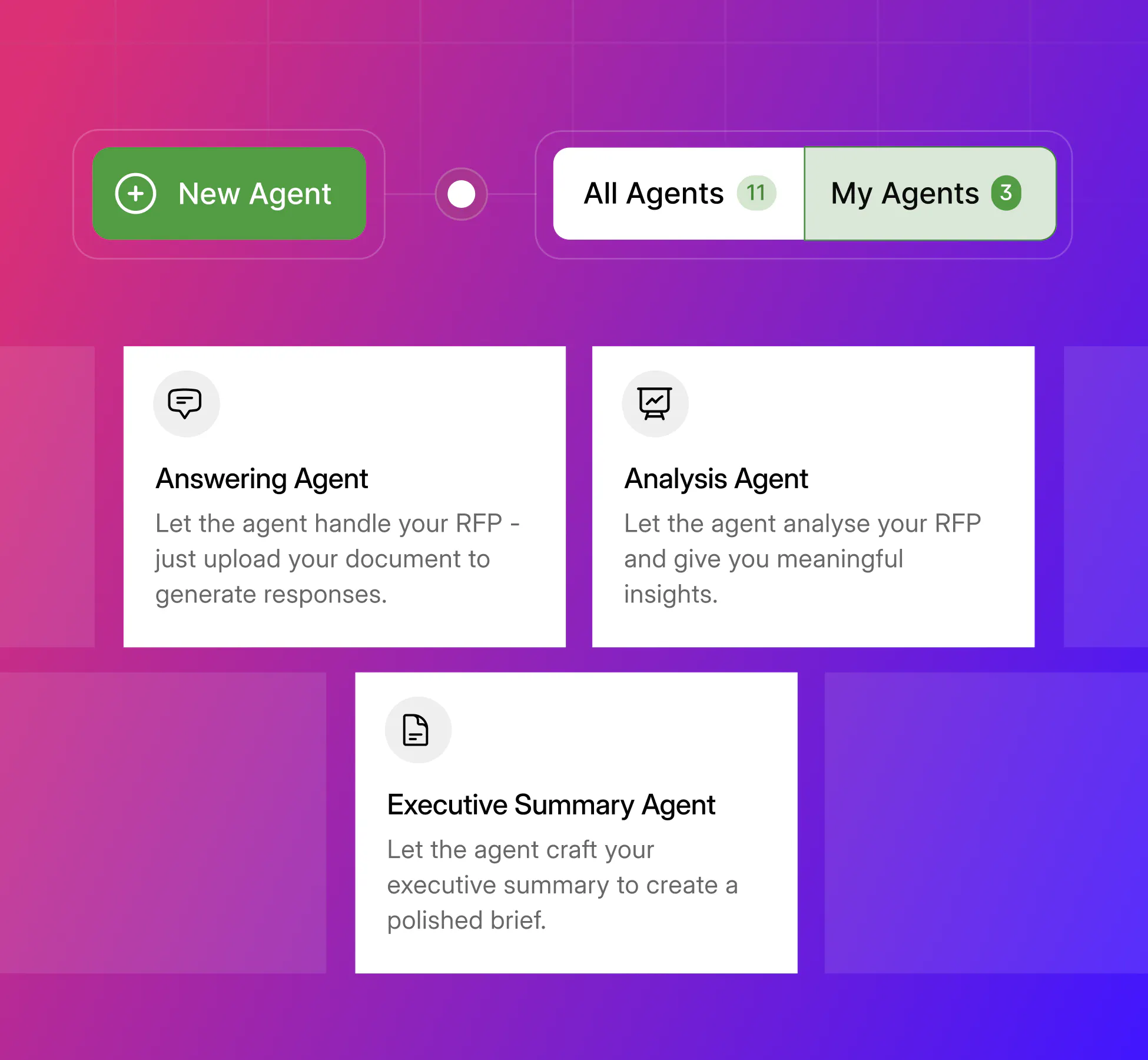
Security questionnaire automation has evolved from a manual, time-consuming process into a sophisticated AI-powered capability that transforms how organizations handle vendor assessments and compliance reviews. These platforms combine artificial intelligence with retrieval systems to automatically draft responses to security questionnaires, RFPs, and compliance frameworks like SOC 2, ISO certifications, and industry-specific assessments. The technology addresses a critical bottleneck in modern business operations. Organizations routinely receive dozens or hundreds of security questionnaires from prospects, customers, and partners—each requiring detailed responses about policies, controls, and compliance posture. Manually answering these questionnaires consumes significant resources from security, sales, and compliance teams while creating delays in sales cycles and procurement processes. What makes this technology particularly relevant now is the convergence of several factors: increased regulatory scrutiny driving more thorough vendor assessments, the proliferation of cloud services requiring continuous security validation, and recent advances in AI that make automated response generation both feasible and reliable. Organizations can now leverage AI to maintain consistency across responses while dramatically reducing the time investment required from subject matter experts.
How the technology streamlines security reviews
AI-powered questionnaire software operates on a foundation of retrieval-augmented generation (RAG), combining your organization's knowledge base with large language models to produce contextually appropriate responses. The system ingests your existing documentation—security policies, audit reports, certifications, previous questionnaire responses—and creates a searchable index of this information using semantic embeddings. When a new questionnaire arrives, the platform automatically extracts questions, searches your knowledge base for relevant information, and drafts responses complete with citations to source documents. This approach addresses several pain points that plague manual processes: inconsistent answers across different questionnaires, difficulty locating relevant documentation, and the repetitive nature of answering similar questions across multiple assessments. The core technologies involve natural language processing for question extraction, vector databases for semantic search, and language models trained to synthesize information while preserving accuracy. Advanced implementations include confidence scoring, multi-language support, and integration with approval workflows that route responses to appropriate reviewers based on question category or risk level. Primary users span security teams managing vendor assessments, sales organizations responding to customer security reviews, and compliance professionals handling regulatory questionnaires. Industries with stringent security requirements—financial services, healthcare, government contractors—see particularly high adoption rates due to the volume and complexity of their assessment requirements.
What to evaluate when choosing a platform
Automation depth and collaboration features determine how much manual effort you can eliminate. Look for platforms that can handle question extraction from various formats (PDF, spreadsheets, online portals), intelligent matching to previous responses, and contextual answer generation. Effective collaboration tools include role-based access controls, approval workflows that route questions to appropriate experts, and comment systems that facilitate review and refinement of AI-generated responses. Knowledge management capabilities form the foundation of accurate automation. The platform should efficiently organize and index your security documentation, maintain version control, and provide intuitive interfaces for updating information as your security posture evolves. Consider how the system handles different document types, supports tagging and categorization, and enables quick retrieval of supporting evidence during the review process. Integration ecosystem determines how smoothly the tool fits into existing workflows. Essential integrations include CRM systems for managing customer questionnaires, communication platforms like Slack or Microsoft Teams for notifications, and document management systems where your policies and reports reside. Some platforms offer browser extensions that can automatically populate responses in third-party assessment portals, further reducing manual effort. Accuracy, compliance, and measurable outcomes represent the most critical evaluation criteria. The platform must produce responses that accurately reflect your security posture while maintaining appropriate citations to source documents. Look for features like confidence scoring, hallucination detection, and audit trails that demonstrate how responses were generated. Consider vendors that provide metrics on accuracy rates, time savings, and user adoption to validate the platform's effectiveness in your environment.
What distinguishes leading solutions
The market for AI-powered questionnaire automation is rapidly evolving, making careful vendor selection crucial for long-term success. Some platforms originated as traditional GRC tools adding AI capabilities, while others were built specifically for AI-powered automation. This architectural difference significantly impacts performance, user experience, and the sophistication of AI features. When evaluating options, ask these key questions: How does the platform handle sensitive information and ensure data privacy, especially if using third-party AI models? What deployment options are available for organizations with strict data residency requirements? How transparent is the AI decision-making process, and can you audit how specific responses were generated? What mechanisms exist to prevent hallucinations or inaccurate responses from being submitted without review? Additionally, consider the vendor's approach to continuous improvement. Leading platforms learn from user feedback, maintain updated knowledge about security frameworks, and evolve their AI capabilities based on real-world usage patterns. The ability to customize the AI behavior for your industry or specific compliance requirements often differentiates enterprise-grade solutions from basic automation tools.
The transformation ahead
AI-powered questionnaire automation represents a fundamental shift in how organizations manage security assessments and vendor relationships. By automating routine tasks while maintaining human oversight for critical decisions, these platforms enable security teams to focus on strategic activities rather than repetitive documentation tasks. The most important evaluation criteria center on accuracy, integration capabilities, and the platform's ability to scale with your organization's needs. As the technology matures, expect to see enhanced verification mechanisms, improved handling of complex compliance frameworks, and tighter integration with broader GRC ecosystems. Looking forward, this technology will likely expand beyond questionnaires to support broader security communication needs, enabling organizations to maintain consistent, accurate security messaging across all stakeholder interactions. The organizations that adopt and optimize these tools now will be better positioned to handle growing compliance demands while maintaining competitive sales cycles and procurement processes.
FAQs
Q: How does AI-powered security questionnaire automation work and what are the main benefits?
A: AI questionnaire automation combines your organization's security documentation with retrieval-augmented generation (RAG) technology to automatically draft responses to vendor assessments and compliance questionnaires. The system ingests your policies, audit reports, certifications, and previous responses, then uses semantic search and language models to match questions with relevant information and generate contextually appropriate answers with citations. The primary benefits include dramatically reduced time investment from security teams, improved consistency across responses, faster sales cycles, and the ability to handle dozens or hundreds of questionnaires without overwhelming subject matter experts.
Q: What types of tasks can be automated and how much time does this technology save?
A: The platform automates question extraction from various formats (PDFs, spreadsheets, online portals), intelligent matching to previous responses, contextual answer generation with supporting citations, and pre-filling of assessment portals through browser extensions. Common automated tasks include responding to SOC 2 and ISO certification questionnaires, RFPs, SIG assessments, and industry-specific compliance reviews. While vendors report significant time savings, the actual impact depends on your questionnaire volume and complexity - organizations typically see the greatest benefit when handling repetitive security assessments across multiple customers or vendors, with some reporting reductions from hours to minutes for standard questionnaire completion.
Q: How does the platform integrate with existing tools and manage our security documentation?
A: Leading platforms offer integrations with CRM systems like Salesforce and HubSpot for managing customer questionnaires, communication tools like Slack and Microsoft Teams for notifications, and document management systems where your policies and reports reside. The knowledge management system organizes and indexes your security documentation using semantic embeddings, maintains version control, and provides intuitive interfaces for updating information as your security posture evolves. The platform handles different document types, supports tagging and categorization, and enables quick retrieval of supporting evidence during review processes, creating a searchable knowledge base that improves over time.
Q: Where is human oversight still required and what are the platform's limitations?
A: Human review remains essential for accuracy verification, approval workflows, and handling complex or sensitive questions that require nuanced judgment. The technology has limitations including potential AI hallucinations, accuracy that depends on the quality and coverage of ingested documentation, and privacy concerns if third-party AI models are used. Organizations must implement robust approval processes that route responses to appropriate experts based on question category or risk level, maintain audit trails showing how responses were generated, and ensure subject matter experts review AI-generated content before submission to prevent inaccurate or inappropriate responses from reaching customers or regulators.
Q: What should we evaluate when selecting an AI questionnaire automation platform?
A: Focus on four critical areas: automation depth and collaboration features (question extraction capabilities, intelligent matching, approval workflows, role-based access controls), knowledge management capabilities (document organization, version control, tagging systems), integration ecosystem (CRM, communication platforms, document management, browser extensions), and accuracy with compliance features (confidence scoring, hallucination detection, audit trails, citation quality). Additionally, evaluate the vendor's approach to data privacy and security, deployment options for your data residency requirements, transparency in AI decision-making processes, and their ability to customize AI behavior for your industry or specific compliance requirements. Request metrics on accuracy rates, time savings, and user adoption to validate platform effectiveness.