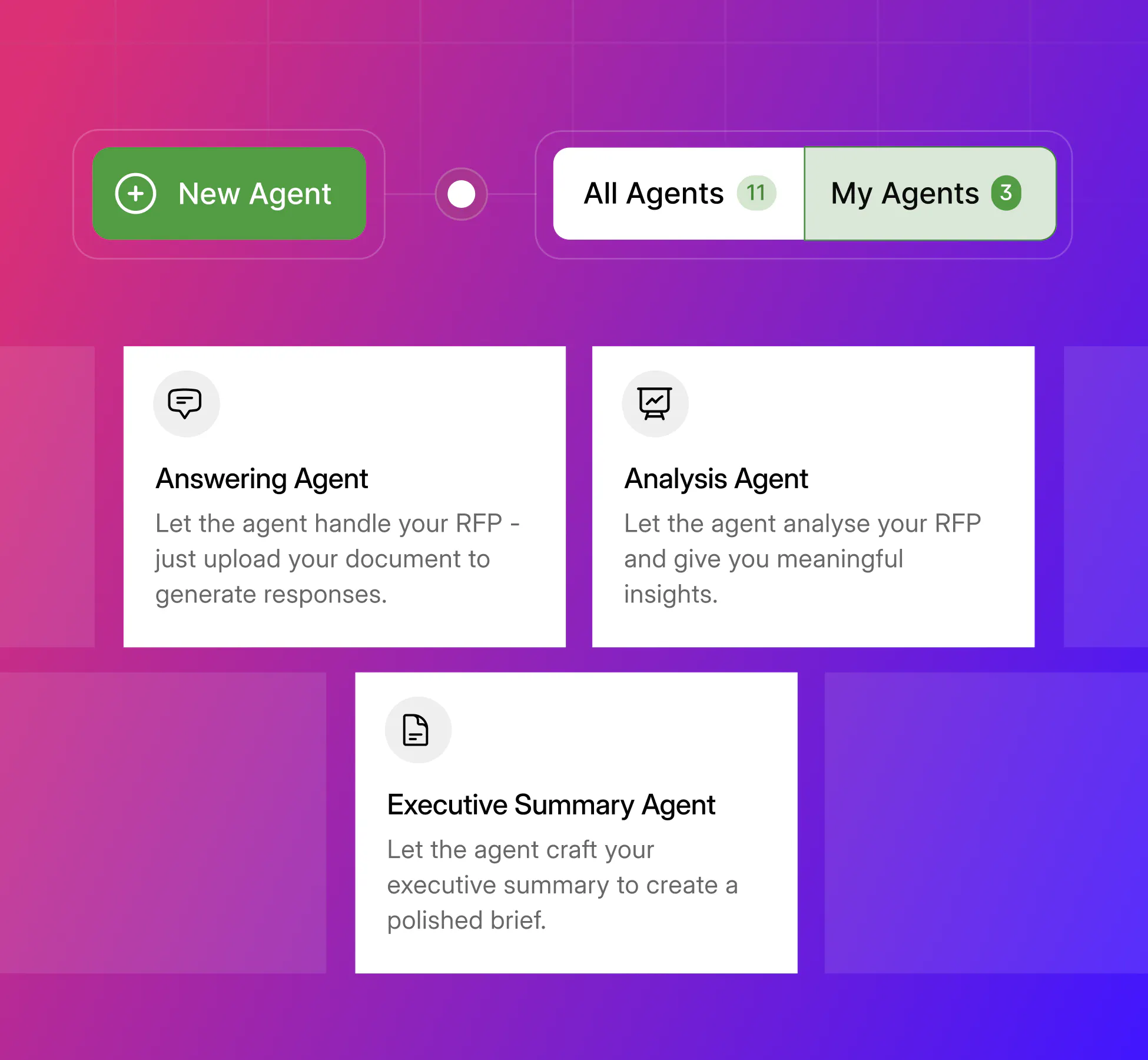
Request for tender (RFT) processes have traditionally consumed weeks of manual effort—copying responses from old proposals, searching through scattered documents, and manually scoring dozens of bids against complex criteria. AI-powered RFT software transforms this labor-intensive cycle by automating content generation, streamlining bid evaluation, and enabling teams to focus on strategic decisions rather than administrative tasks. The convergence of large language models, enterprise data integration, and procurement digitization has created a category of tools that can draft RFPs, auto-fill responses, discover qualified suppliers, and score submissions with unprecedented speed and consistency. For procurement teams facing increased sourcing volumes, tighter timelines, and growing compliance requirements, these platforms offer measurable improvements in cycle time, supplier reach, and award quality. Understanding what makes AI RFT software effective requires evaluating four key areas: automation capabilities that eliminate repetitive work, data management that ensures accuracy and accessibility, integration depth that fits existing workflows, and trust factors including performance transparency and compliance readiness.
What AI-powered tendering software actually does
At its core, AI RFT software applies natural language processing and machine learning to automate the most time-consuming aspects of procurement cycles. These platforms typically combine large language models for content generation, retrieval-augmented generation (RAG) systems that ground AI outputs in your organization's actual documents, and structured scoring engines that evaluate bids against defined criteria. The software addresses several persistent pain points. Response teams spend hours searching for relevant content across SharePoint sites, email threads, and archived proposals—AI search capabilities surface the right information in seconds. Evaluation committees manually score each bid section, introducing inconsistency and delays—automated scoring engines apply the same criteria uniformly while flagging submissions that require human review. Common features include automated RFP drafting from templates and requirements, intelligent answer libraries that suggest relevant responses based on question analysis, portal auto-fill capabilities that extract requirements from PDFs and online forms, supplier discovery tools that identify qualified vendors from external databases, and bid evaluation systems that score submissions against weighted criteria while maintaining audit trails. These tools are primarily used by procurement professionals, proposal writers, sourcing managers, and compliance teams across industries ranging from government agencies requiring transparent evaluation processes to enterprise buyers managing high-volume sourcing programs.
How to evaluate AI tendering platforms effectively
Automation and collaboration capabilities form the foundation of value delivery. Look for platforms that can handle first-draft RFP generation from your existing templates, auto-populate responses from validated content libraries, and extract requirements from various document formats without manual reformatting. The collaboration dimension matters equally—teams need real-time editing, approval workflows, and integration with communication tools like Teams or Slack to maintain momentum across complex sourcing events. Data and content management separates functional tools from transformational ones. Your organization's tribal knowledge—past proposals, technical specifications, compliance documentation—must be searchable, current, and accessible to AI systems without compromising security. Effective platforms maintain version control, provide content approval processes, and enable subject matter experts to validate AI-generated responses before submission. The system should also handle multiple content formats and integrate with your existing document management infrastructure. Integration impact determines whether the software enhances or disrupts your current workflows. Seamless connections to ERP systems, procurement suites like SAP Ariba or Coupa, and customer relationship management platforms eliminate double data entry and ensure information consistency. Browser extensions, API connectivity, and pre-built connectors reduce implementation complexity while maintaining data flow between systems your teams already use daily. Results and trust factors encompass the measurable outcomes and reliability indicators that justify investment. Accuracy metrics for generated content, performance benchmarks for response time reduction, and compliance features that maintain audit trails are essential evaluation criteria. Look for platforms that provide transparency into AI decision-making, offer human oversight controls, and include security certifications relevant to your industry. Vendor claims about ROI should be validated through pilot programs with your actual data and workflows.
What distinguishes leading AI tendering solutions
The market includes both specialized vendors focused exclusively on RFT automation and established procurement suites adding AI capabilities to existing platforms. This distinction matters because specialized solutions often provide deeper functionality for specific use cases, while integrated suites offer broader workflow coverage with potentially less sophisticated AI features. Technical architecture varies significantly between vendors. Some platforms rely primarily on cloud-based large language models with basic retrieval systems, while others implement sophisticated retrieval-augmented generation that grounds AI outputs in your specific organizational knowledge. The latter approach typically produces more accurate, relevant responses but requires more complex data preparation and management. When evaluating options, ask these key questions: How does the platform handle your specific document formats and approval processes? What level of customization is available for scoring criteria and evaluation workflows? How transparent are the AI decision-making processes, and what audit capabilities are provided? What data sovereignty and security controls are implemented? How does pricing scale with usage, and what hidden costs might emerge from API consumption or additional user seats?
The strategic value of intelligent tender management
AI RFT software fundamentally changes how organizations approach sourcing by shifting focus from administrative execution to strategic decision-making. Teams that previously spent 60% of their time on content management and manual scoring can redirect that effort toward supplier relationship development, market analysis, and negotiation strategy. The most critical evaluation criteria remain automation depth, data management sophistication, integration capabilities, and measurable trust factors. Platforms that excel in these areas deliver quantifiable improvements in response quality, faster cycle times, broader supplier participation, and more consistent evaluation outcomes. Looking ahead, expect continued evolution toward more autonomous systems that can conduct initial supplier negotiations, provide real-time market intelligence during sourcing events, and integrate category management insights into tender processes. However, the fundamental value proposition will remain constant: enabling procurement professionals to focus on strategic decisions while AI handles the repetitive, time-intensive tasks that slow down sourcing cycles and limit competitive outcomes.
FAQs
Q: How does AI RFT software actually work and what are the core benefits?
A: AI RFT software applies natural language processing and machine learning to automate the most time-consuming aspects of procurement cycles. These platforms combine large language models for content generation, retrieval-augmented generation (RAG) systems that ground AI outputs in your organization's actual documents, and structured scoring engines that evaluate bids against defined criteria. The core benefits include eliminating hours of manual content searching by surfacing relevant information in seconds, ensuring consistent bid evaluation through automated scoring engines, and enabling teams to focus on strategic decisions rather than administrative tasks.
Q: What specific tasks can be automated and how much time does this save?
A: The software automates several critical tasks including automated RFP drafting from templates and requirements, intelligent answer library suggestions based on question analysis, portal auto-fill capabilities that extract requirements from PDFs and online forms, supplier discovery from external databases, and bid evaluation with weighted criteria scoring. Teams that previously spent 60% of their time on content management and manual scoring can redirect that effort toward supplier relationship development, market analysis, and negotiation strategy, fundamentally changing how organizations approach sourcing cycles.
Q: How does AI RFT software integrate with existing systems and manage organizational data?
A: Effective platforms maintain seamless connections to ERP systems, procurement suites like SAP Ariba or Coupa, and CRM platforms to eliminate double data entry and ensure information consistency. The software handles your organization's tribal knowledge—past proposals, technical specifications, compliance documentation—making it searchable, current, and accessible to AI systems while maintaining security. Integration features include browser extensions, API connectivity, pre-built connectors, version control, content approval processes, and the ability to handle multiple content formats within existing document management infrastructure.
Q: What are the limitations and where is human oversight still required?
A: While AI RFT software significantly automates procurement processes, human judgment remains essential in several areas. Subject matter experts need to validate AI-generated responses before submission, and evaluation committees must review submissions flagged by automated scoring systems that require human assessment. The platforms provide transparency into AI decision-making and include human oversight controls, but organizations must maintain approval workflows and ensure compliance teams verify that automated processes meet audit trail requirements and regulatory standards.
Q: What should buyers consider when evaluating AI RFT platforms?
A: Buyers should focus on four key evaluation areas: automation capabilities that eliminate repetitive work, data management sophistication that ensures accuracy and accessibility, integration depth that fits existing workflows, and trust factors including performance transparency and compliance readiness. Critical questions include how the platform handles your specific document formats and approval processes, what level of customization is available for scoring criteria, how transparent the AI decision-making processes are, what audit capabilities and security controls are provided, and how pricing scales with usage including potential hidden costs from API consumption or additional user seats.