AI response platform software represents the convergence of large language models, retrieval systems, and orchestration tools that enable organizations to build, deploy, and manage AI-driven conversational interfaces. These platforms address critical operational challenges by automating customer support, surfacing institutional knowledge through natural language queries, and enabling scalable content generation while maintaining governance controls. With analyst projections showing significant economic upside from generative AI implementations, selecting the right platform has become essential for organizations seeking to harness AI's potential responsibly. The technology matters now because the transformer architecture breakthrough in 2017, combined with the public launch of ChatGPT in late 2022, has made sophisticated AI responses accessible to enterprises at scale. Organizations can now deploy AI assistants that understand context, access proprietary data, and maintain conversation continuity—capabilities that were previously limited to tech giants with massive research budgets. When evaluating these platforms, you'll want to focus on automation capabilities, data integration depth, workflow compatibility, and measurable business impact. The most effective implementations streamline repetitive tasks, improve team collaboration, and deliver demonstrable ROI while maintaining accuracy and compliance standards.
What these platforms actually do
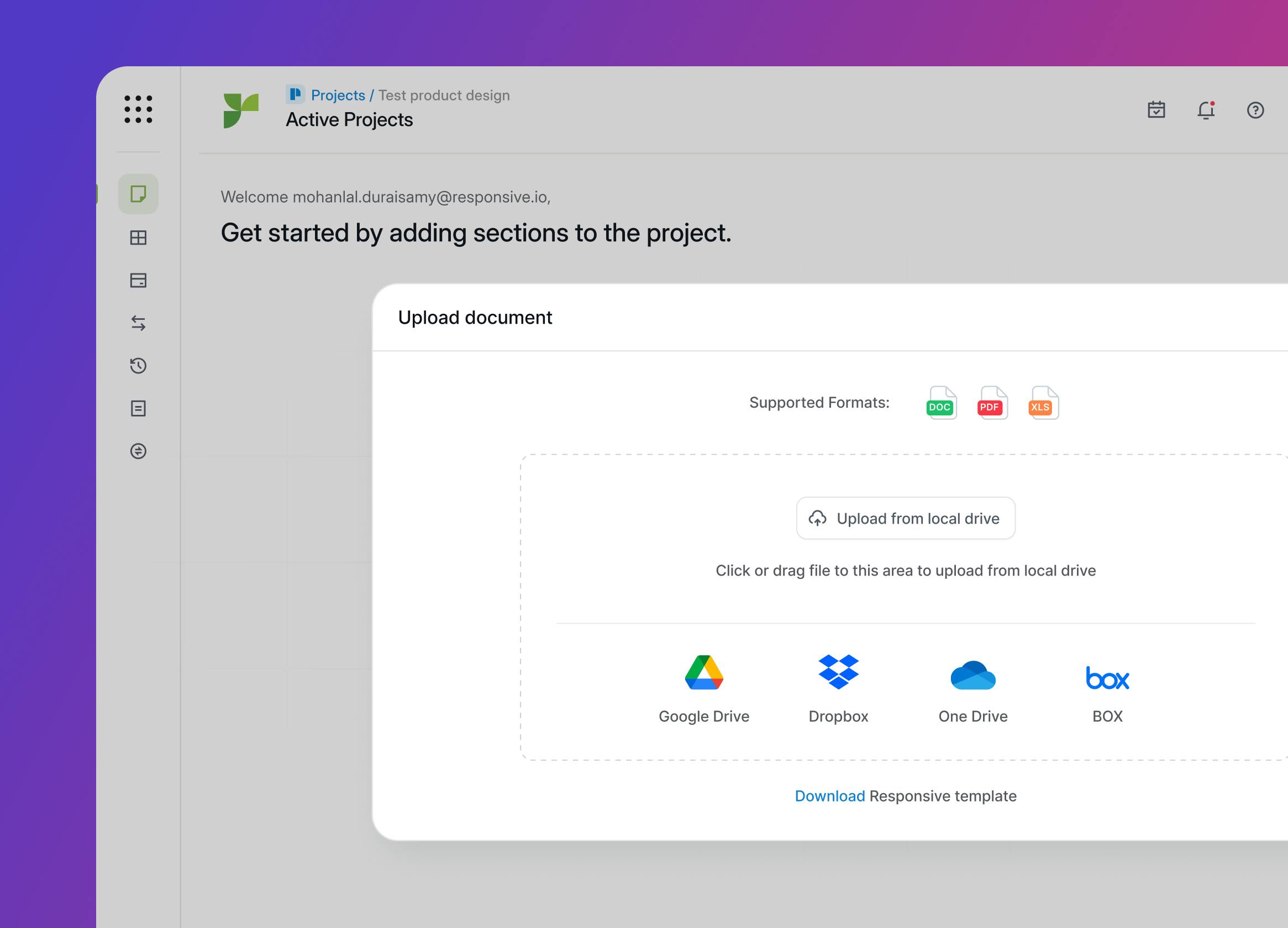
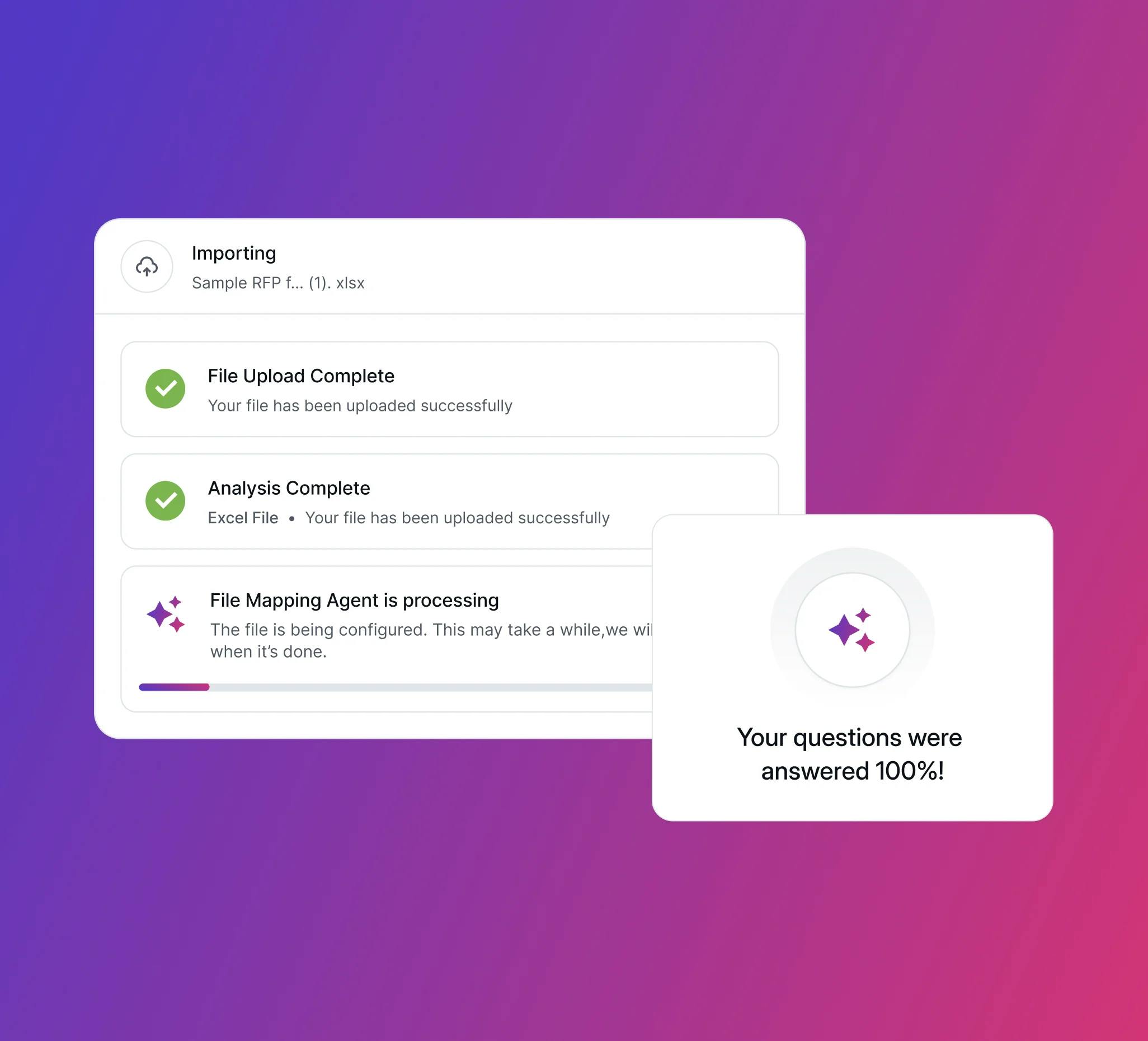
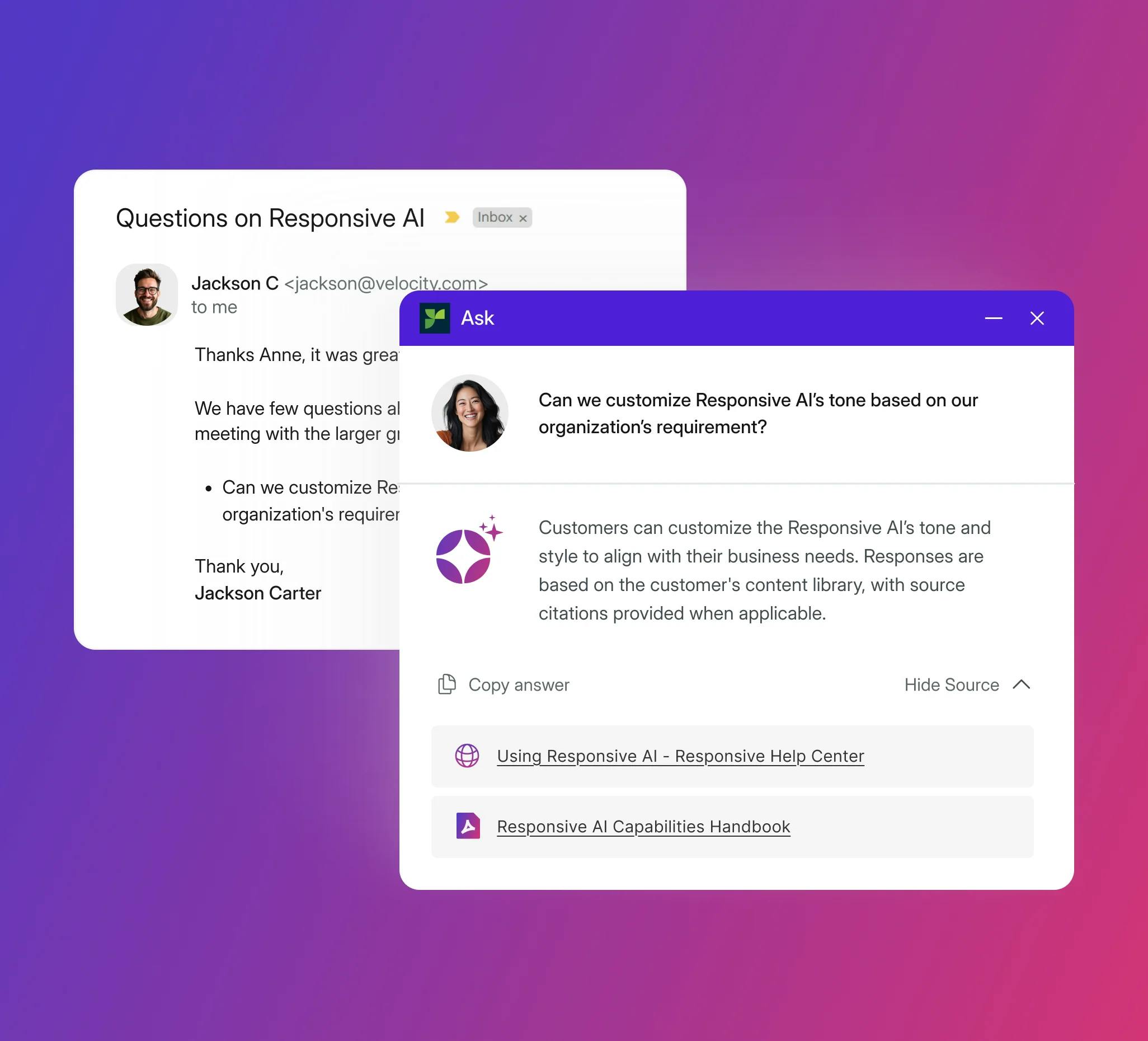
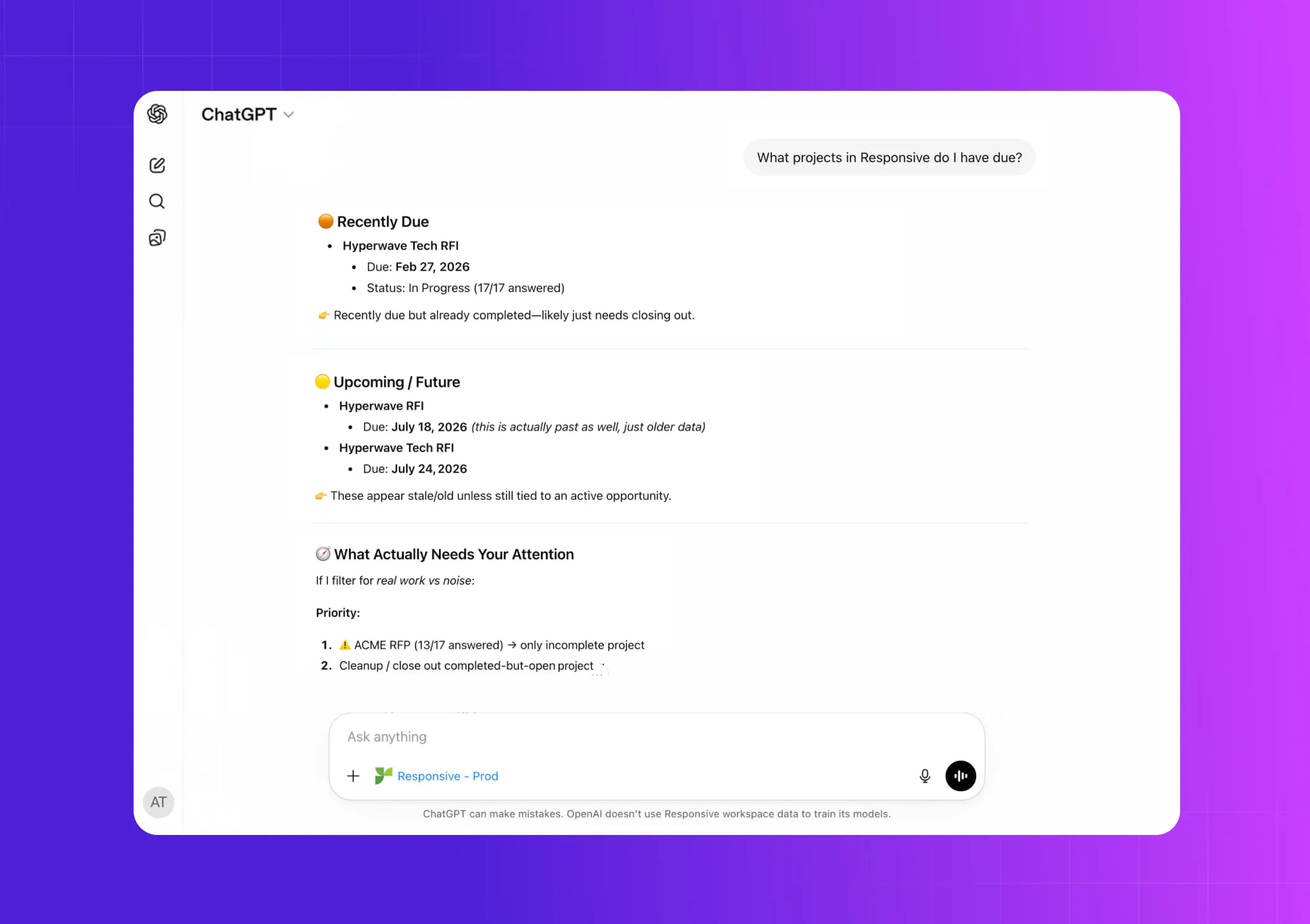
AI response platform software combines several core technologies to create intelligent, contextual responses. At its foundation, these systems use large language models—typically transformer-based architectures—that can understand and generate human-like text. The platforms then layer on retrieval-augmented generation (RAG) capabilities, which ground AI responses in your organization's specific data rather than relying solely on the model's training knowledge. The typical pain points these platforms address include information silos, repetitive customer inquiries, lengthy content creation cycles, and inconsistent responses across teams. Instead of employees manually searching through documentation or crafting responses from scratch, the AI can instantly access relevant information and generate appropriate responses while maintaining your organization's voice and accuracy standards. Common features include natural language question-answering, document summarization, content extraction, conversation memory that maintains context across interactions, and tool-calling capabilities that let the AI perform specific actions like database queries or API calls. Many platforms also provide analytics dashboards, human-in-the-loop workflows for quality control, and safety filters to prevent inappropriate content. These systems are typically deployed by customer support teams, knowledge management professionals, content creators, and technical documentation specialists across industries ranging from healthcare and legal services to software development and financial services. The key is that they serve anyone who regularly needs to transform complex information into accessible, accurate responses.
How to evaluate the technology that matters
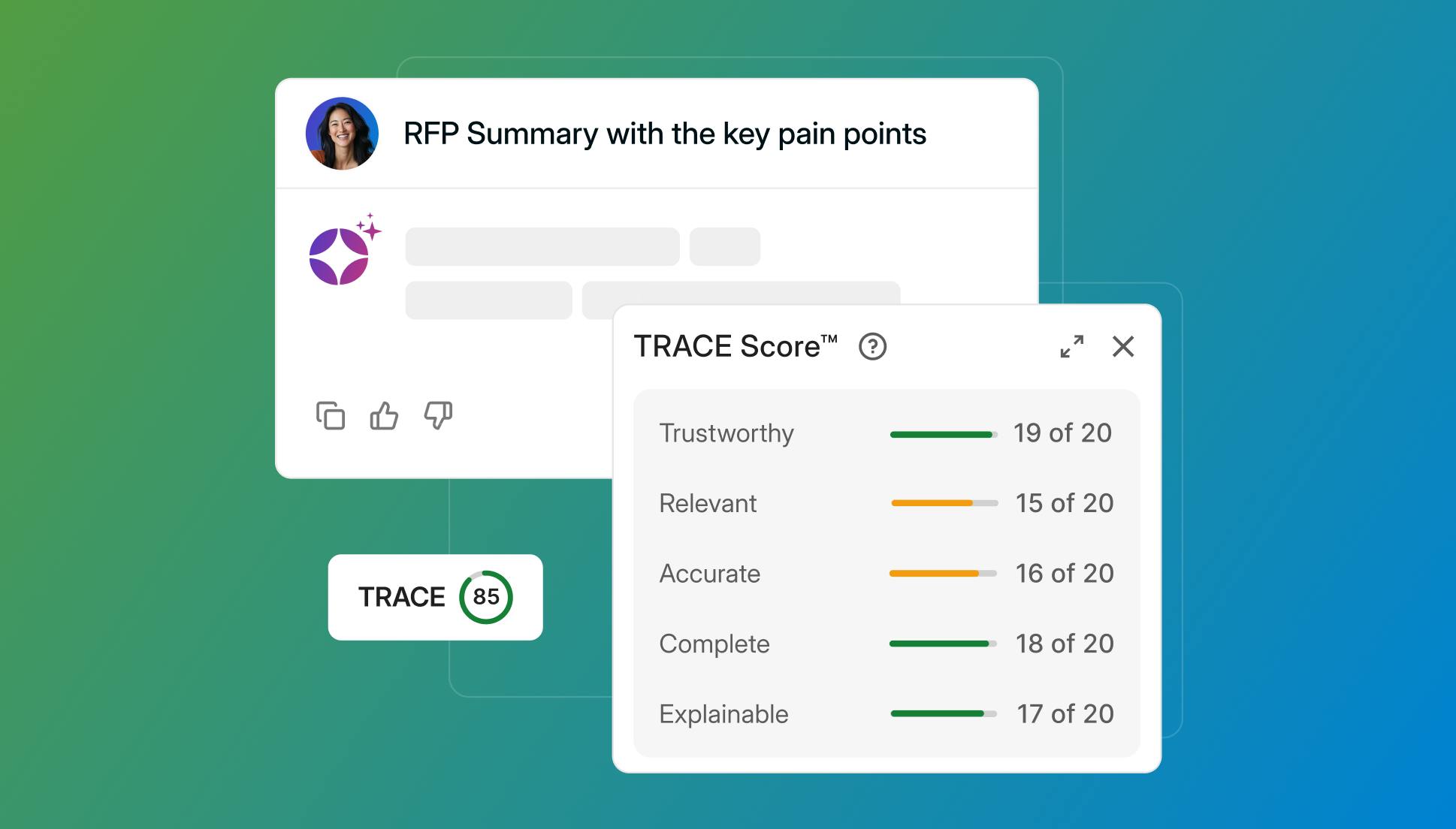
Automation and collaboration capabilities should be your first assessment area. Look for platforms that can handle your most time-consuming response tasks—whether that's customer inquiries, internal knowledge searches, or content generation workflows. The best systems don't just automate individual tasks; they improve how teams work together by providing consistent, well-sourced information that anyone can access and build upon. Evaluate how the platform handles conversation handoffs between AI and human agents, and whether it maintains context when interactions span multiple channels or team members. Data and content management forms the backbone of effective AI responses. Your platform needs robust integration with existing data sources—databases, document repositories, CRM systems, and knowledge bases. The quality of AI responses depends entirely on the quality and accessibility of underlying information. Look for platforms that can ingest various content types, maintain data freshness, provide source attribution for AI-generated responses, and offer granular access controls to protect sensitive information. Integration impact determines whether the platform enhances or disrupts your current workflows. The most valuable solutions slot seamlessly into existing systems through APIs, SDKs, and pre-built connectors for popular business applications. Consider how the platform handles authentication, whether it supports your preferred development frameworks, and how it scales with your infrastructure. The goal is augmenting current processes, not replacing entire systems. Results and trust factors encompass the measurable outcomes that justify your investment. Accuracy is paramount—look for platforms that provide confidence scores, source citations, and feedback mechanisms to improve response quality over time. Performance metrics should include response speed, system uptime, and cost per interaction. Compliance capabilities matter especially in regulated industries, so evaluate data handling policies, encryption standards, and audit trails. Most importantly, establish clear ROI measurements like reduced response times, decreased support ticket volume, or accelerated content creation cycles.
Why platform selection requires careful consideration
The AI response platform market moves quickly, with new capabilities and vendors emerging regularly. What distinguishes leading solutions from the pack often comes down to depth of integration, quality of retrieval mechanisms, and maturity of governance controls. A platform might excel at general conversation but struggle with domain-specific terminology, or it might provide excellent accuracy but lack the security controls your industry requires. When evaluating vendors, ask these essential questions: How does the platform handle your specific data types and formats? What evidence can they provide of accuracy improvements over time? How do they prevent AI hallucinations and ensure response reliability? What are the total cost implications, including inference, storage, and operational overhead? How does their roadmap align with your long-term AI strategy? Consider also whether you need a comprehensive platform or whether specialized tools might serve your use case better. Some organizations benefit from all-in-one solutions that handle everything from data ingestion to user interface, while others prefer best-of-breed approaches that integrate multiple focused tools.
The strategic value of intelligent response systems
AI response platform software represents a fundamental shift in how organizations manage and distribute knowledge. Rather than relying on manual processes and institutional memory held by individual employees, these systems create scalable, consistent ways to surface accurate information instantly. The technology transforms customer service from reactive support to proactive assistance, enables content teams to focus on strategy rather than routine creation, and helps technical teams provide better documentation with less effort. When evaluating platforms, prioritize automation capabilities that align with your highest-impact use cases, data integration that works with your existing systems, and measurable results that demonstrate clear business value. The most successful implementations balance sophisticated AI capabilities with practical workflow integration and robust governance controls. Looking ahead, expect continued advancement in multimodal capabilities, more sophisticated reasoning abilities, and tighter integration with enterprise software ecosystems. Organizations that establish strong foundations now—with proper data management, clear evaluation criteria, and thoughtful vendor selection—will be best positioned to leverage these emerging capabilities as they mature.
FAQs
Q: How do AI response platforms actually work to generate intelligent responses?
A: AI response platforms combine large language models with retrieval-augmented generation (RAG) to create contextual, accurate responses. The system uses transformer-based architectures to understand natural language, then grounds responses in your organization's specific data through vector search and embeddings. This means instead of relying solely on the model's training knowledge, the AI accesses your documents, databases, and knowledge bases to provide relevant, source-backed answers while maintaining conversation context across interactions.
Q: What kind of time savings and automation can organizations expect from these platforms?
A: These platforms automate the most time-consuming response tasks like customer inquiries, internal knowledge searches, and content generation workflows. Instead of employees manually searching through documentation or crafting responses from scratch, the AI instantly accesses relevant information and generates appropriate responses. Organizations typically see reduced response times, decreased support ticket volume, and accelerated content creation cycles, with teams able to focus on strategic work rather than routine information retrieval and response crafting.
Q: How do these platforms integrate with existing business systems and manage data?
A: AI response platforms connect to existing data sources through APIs, SDKs, and pre-built connectors for databases, CRM systems, document repositories, and knowledge bases. They can ingest various content types while maintaining data freshness and providing granular access controls to protect sensitive information. The platforms slot seamlessly into current workflows through integration with popular business applications, supporting your preferred development frameworks and scaling with your infrastructure rather than requiring complete system replacement.
Q: What are the limitations of AI response platforms and where is human oversight still needed?
A: While these platforms excel at automating routine responses, they still face challenges with hallucinations (generating plausible but false information) and may struggle with highly specialized domain terminology or nuanced judgment calls. Human oversight remains essential for quality control, handling complex edge cases, managing conversation handoffs between AI and human agents, and ensuring accuracy in regulated industries. The most effective implementations include human-in-the-loop workflows, confidence scores, and feedback mechanisms to continuously improve response quality.
Q: What should organizations evaluate when selecting an AI response platform?
A: Focus on four key areas: automation capabilities that align with your highest-impact use cases, data integration depth with your existing systems, measurable results that demonstrate clear ROI, and robust governance controls. Evaluate how the platform handles your specific data types, what evidence vendors can provide of accuracy improvements over time, total cost implications including inference and operational overhead, and whether their roadmap aligns with your long-term AI strategy. Consider whether you need a comprehensive all-in-one solution or prefer best-of-breed tools that integrate multiple focused capabilities.