AI response tool software represents a fundamental shift in how organizations handle information requests and automate knowledge work. These systems use large language models and advanced AI to understand user queries and generate human-like responses, whether through chatbots answering customer questions, virtual assistants helping employees find information, or intelligent agents that can research topics and take actions on your behalf. Unlike traditional rule-based chatbots that follow predetermined scripts, modern AI response tools can understand context, reason through complex requests, and provide nuanced answers drawn from vast knowledge bases. The technology matters now because it addresses persistent organizational challenges around information access, response time, and knowledge management. Customer support teams struggle with repetitive questions while trying to maintain quality service. Knowledge workers waste time searching for information across scattered systems. Research teams need to synthesize insights from massive document collections. AI response tools can automate these workflows while maintaining quality standards, enabling 24/7 availability and freeing human experts to focus on higher-value work. When evaluating these systems, organizations should focus on four key areas: automation capabilities and collaboration features, data management and content organization, integration with existing workflows, and measurable results including accuracy, compliance, and return on investment. The right choice depends on your specific use cases, technical infrastructure, and risk tolerance.
What these systems actually do
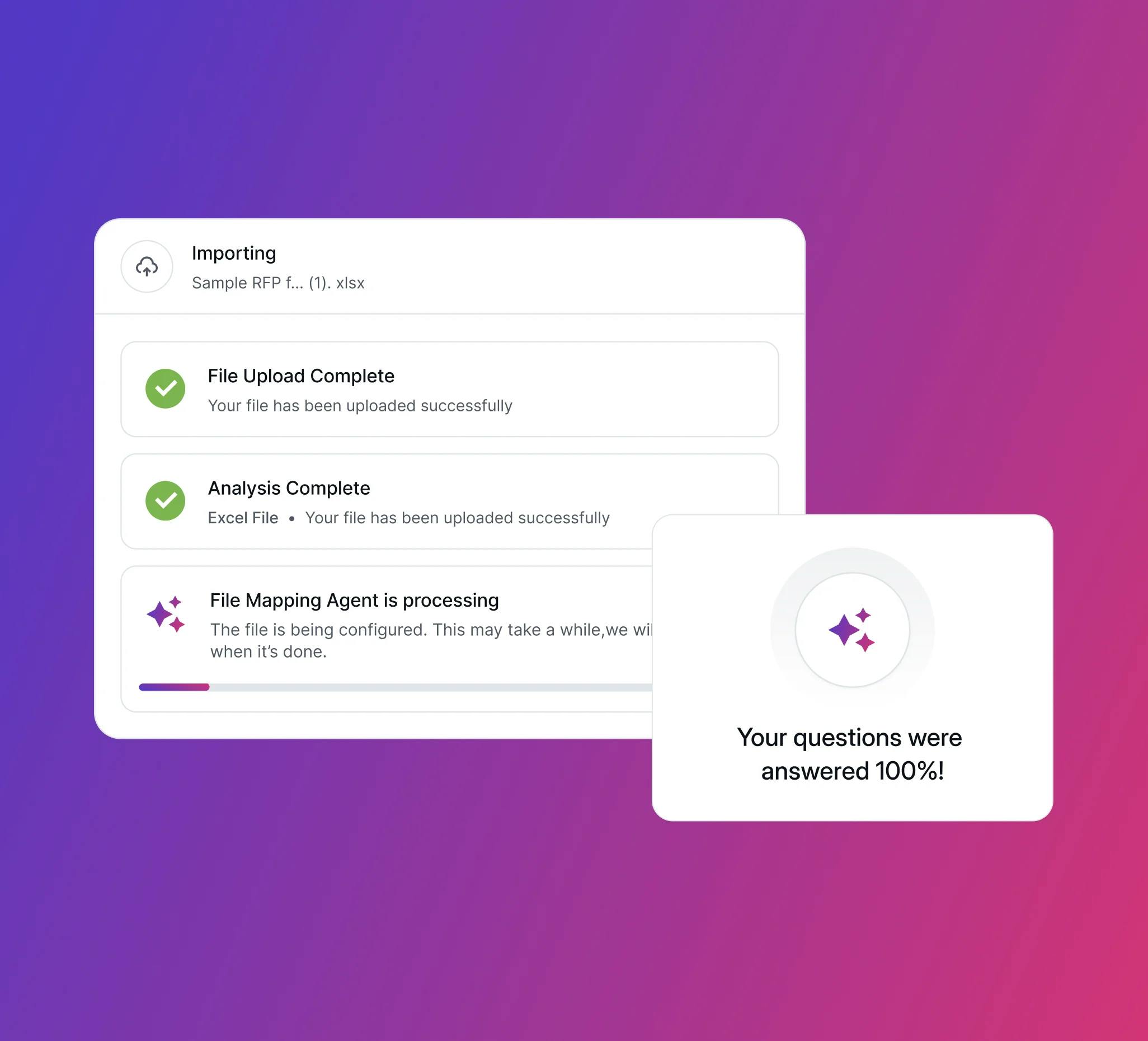
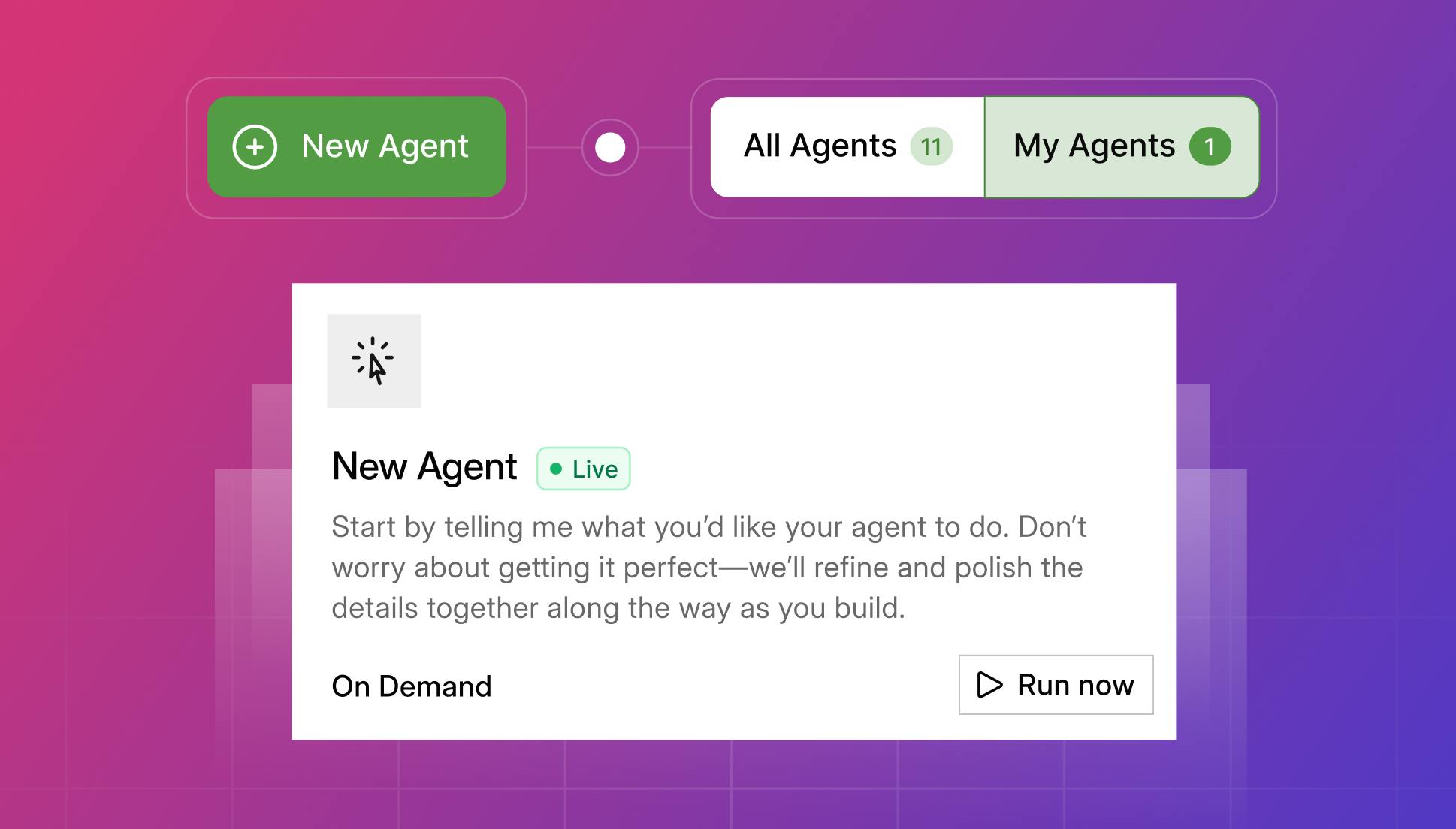
AI response tools excel at knowledge-intensive tasks that traditionally required human expertise. They can answer complex questions by searching through internal documents, summarize lengthy reports, generate code solutions, analyze data patterns, and even orchestrate multi-step workflows that involve calling APIs or updating databases. The underlying technology combines large language models with retrieval systems that can access current information, plus orchestration layers that enable the AI to use tools and take actions. Common pain points these systems address include information silos where valuable knowledge gets trapped in different departments, inconsistent responses from human agents dealing with similar queries, and the bottleneck of expert availability when specialized knowledge is needed. Customer service teams use AI response tools to provide instant, accurate answers while escalating complex issues to human agents. Sales teams deploy them to quickly generate proposals and answer technical questions. Development teams integrate AI assistants to help with code generation, debugging, and documentation. The technology relies on transformer-based neural networks that have been trained on massive text datasets, then fine-tuned for specific tasks and aligned with human preferences through reinforcement learning. Retrieval-augmented generation (RAG) architectures ground these models in current, verifiable information by connecting them to document databases and knowledge bases. Modern systems also support "function calling," allowing AI agents to interact with external systems, run code, or orchestrate complex workflows. Typical users include customer service representatives who need instant access to policy information, sales teams generating proposals, developers seeking code assistance, researchers analyzing documents, and executives who need quick briefings on complex topics. Industries seeing significant adoption include financial services, healthcare, technology, and manufacturing, where accurate information retrieval and consistent responses are critical.
Making the right choice
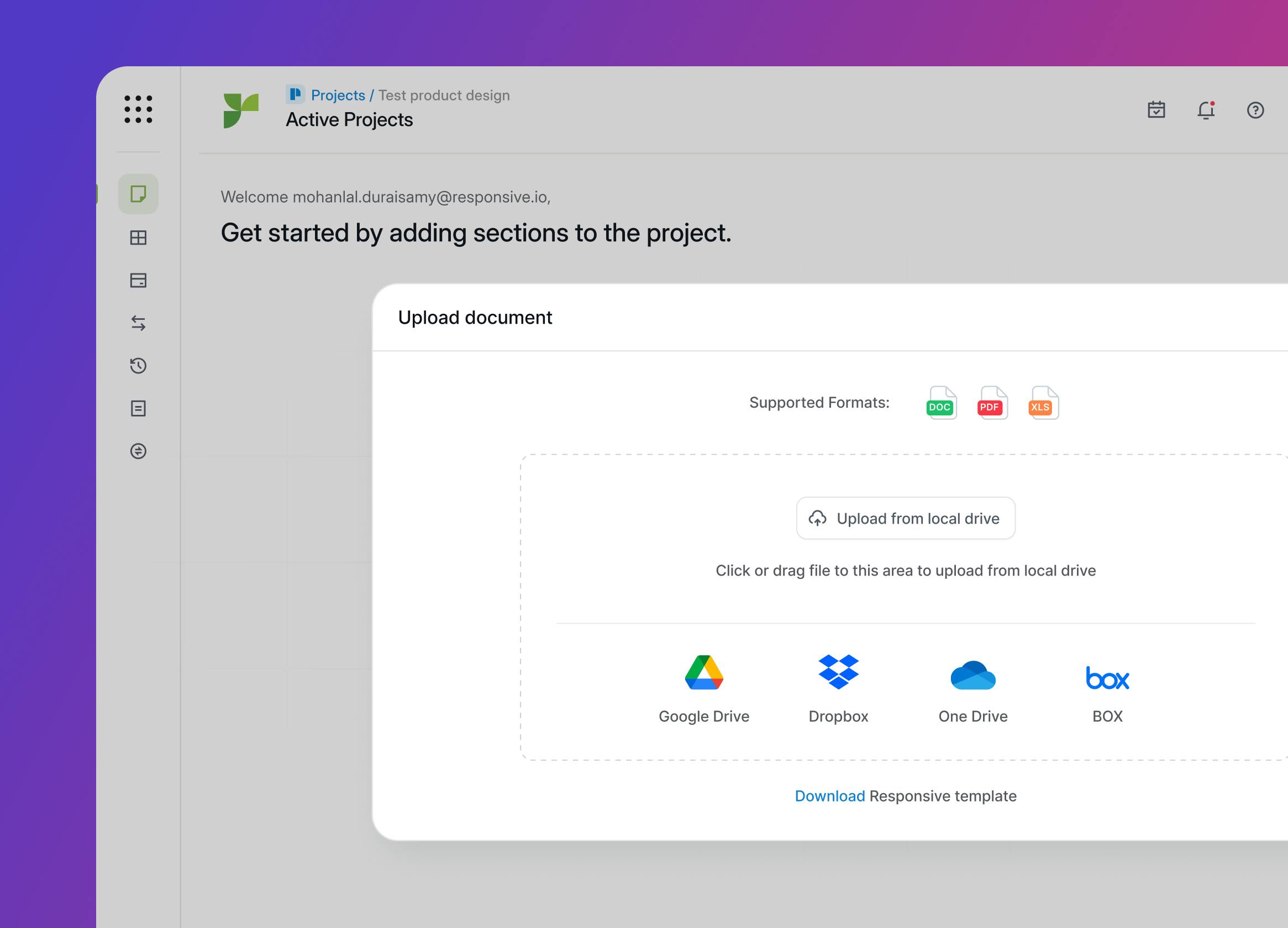
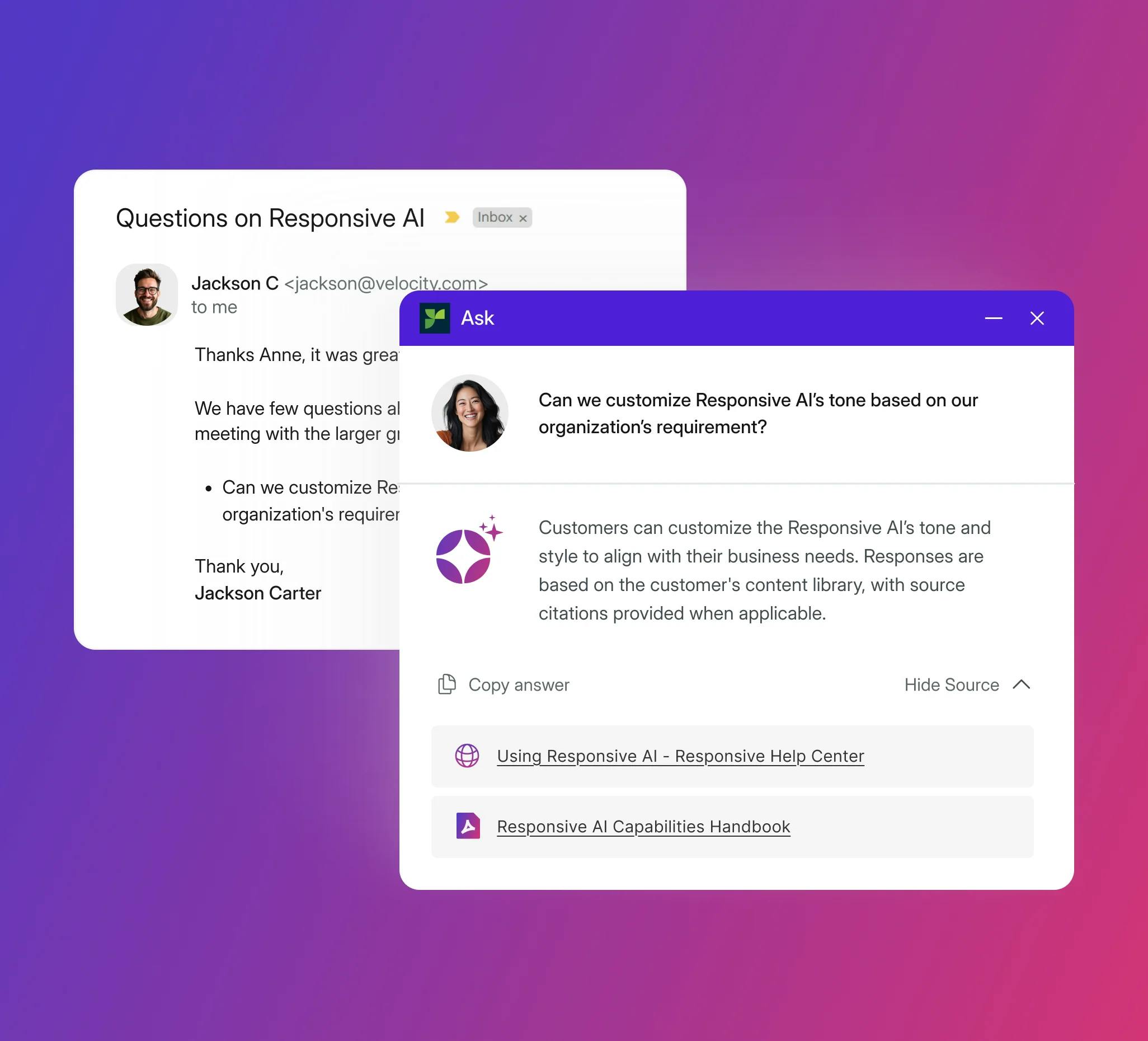
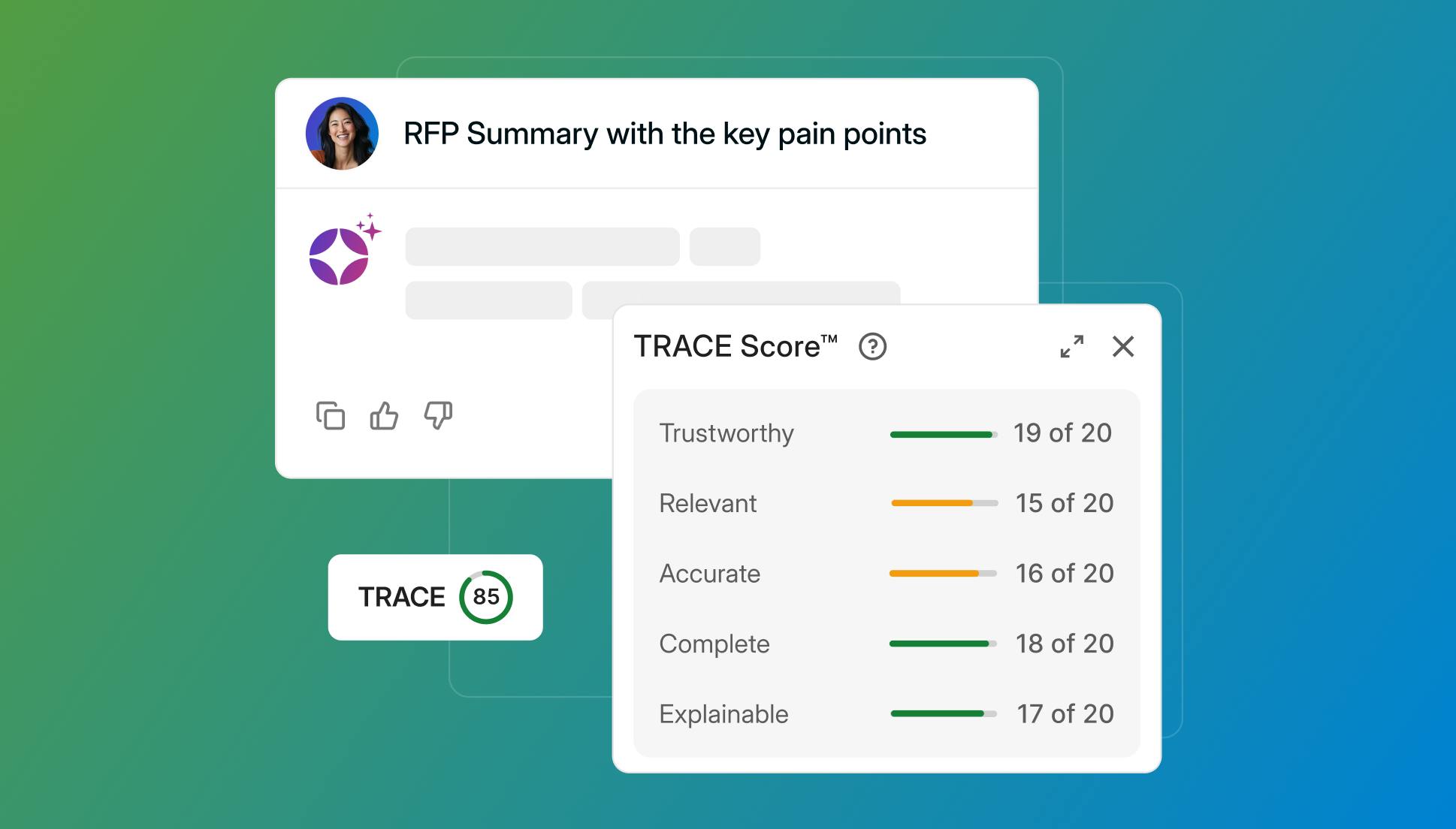
Automation and collaboration capabilities determine how effectively these tools integrate into your team workflows. Look for systems that can handle your specific task types, whether that's customer inquiries, document analysis, or research synthesis. Strong collaboration features include the ability to share conversations, maintain context across team members, and provide audit trails for compliance. The best systems enable teams to work alongside AI rather than replacing human expertise entirely. Data and content management forms the foundation of effective AI response systems. Your chosen solution must efficiently organize and access your organization's knowledge base, from structured databases to unstructured documents. Vector databases and search capabilities determine how quickly and accurately the system can retrieve relevant information. Consider how the system handles data updates, maintains security boundaries, and manages different content types including text, images, and specialized formats. Integration impact affects adoption success and operational efficiency. The system should connect seamlessly with your existing tools—CRM systems, helpdesk software, document repositories, and communication platforms. API availability, pre-built connectors, and customization options determine how well the AI can access your data and take meaningful actions. Implementation complexity and required infrastructure changes also factor into total cost and timeline. Results and trust factors encompass accuracy, reliability, and measurable business outcomes. Accuracy depends on the underlying models, training data quality, and how well the system grounds responses in verified information. Look for systems that provide citation sources, confidence scores, and clear audit trails. Performance metrics should include response time, user satisfaction, and cost savings. Compliance features matter for regulated industries, including data handling practices, audit capabilities, and regulatory alignment.
What separates the winners from the rest
Careful selection matters because these tools become deeply embedded in critical business processes, and switching costs can be substantial. The technology landscape moves rapidly, with new capabilities and providers emerging regularly, but foundational choices around data handling, integration architecture, and vendor relationships shape your long-term options. Key buyer questions that distinguish strong solutions include: How does the system maintain accuracy as your knowledge base grows and changes? Can it provide clear citations and confidence indicators for its responses? What safeguards prevent hallucinations or inappropriate responses? How does it handle sensitive or confidential information? What happens when the AI encounters situations outside its training? How easily can you customize responses for your organization's tone and policies? The most successful implementations combine powerful AI capabilities with strong governance frameworks, human oversight mechanisms, and clear boundaries around when AI should and shouldn't be used. Organizations that treat AI response tools as collaborative partners rather than complete replacements for human expertise typically achieve better results and higher user acceptance.
The path forward
AI response tool software represents a significant opportunity to streamline knowledge work, improve response times, and scale expertise across organizations. These systems can automate routine inquiries, augment human decision-making, and unlock insights trapped in large document collections. However, success requires thoughtful evaluation of capabilities, careful attention to data quality and security, and realistic expectations about limitations and ongoing management needs. The most important evaluation criteria center on how well the system integrates with your existing workflows, maintains accuracy and trustworthiness, and delivers measurable business value. Focus on vendors that provide clear data handling commitments, robust integration options, and transparent performance metrics rather than those making broad claims about AI capabilities. Looking ahead, expect continued advances in multimodal capabilities, better tool integration, improved accuracy and reliability, and enhanced governance features. Organizations that start with focused pilot projects, establish clear success metrics, and build internal expertise will be best positioned to leverage these evolving capabilities as the technology matures.
FAQs
Q: How do AI response tools actually work and what benefits do they provide?
A: AI response tools use large language models and advanced AI to understand user queries and generate human-like responses by combining natural language processing with retrieval systems that access current information. Unlike traditional rule-based chatbots that follow predetermined scripts, these systems can understand context, reason through complex requests, and provide nuanced answers drawn from vast knowledge bases, enabling 24/7 availability while freeing human experts to focus on higher-value work.
Q: What tasks can these systems automate and how much time do they save?
A: AI response tools excel at automating knowledge-intensive tasks like answering complex questions by searching internal documents, summarizing lengthy reports, generating code solutions, analyzing data patterns, and orchestrating multi-step workflows. They address common pain points including information silos, inconsistent responses from human agents, and expert availability bottlenecks - with customer service teams using them for instant accurate answers, sales teams for quick proposal generation, and development teams for code assistance and documentation.
Q: How do AI response tools integrate with existing systems and handle our data?
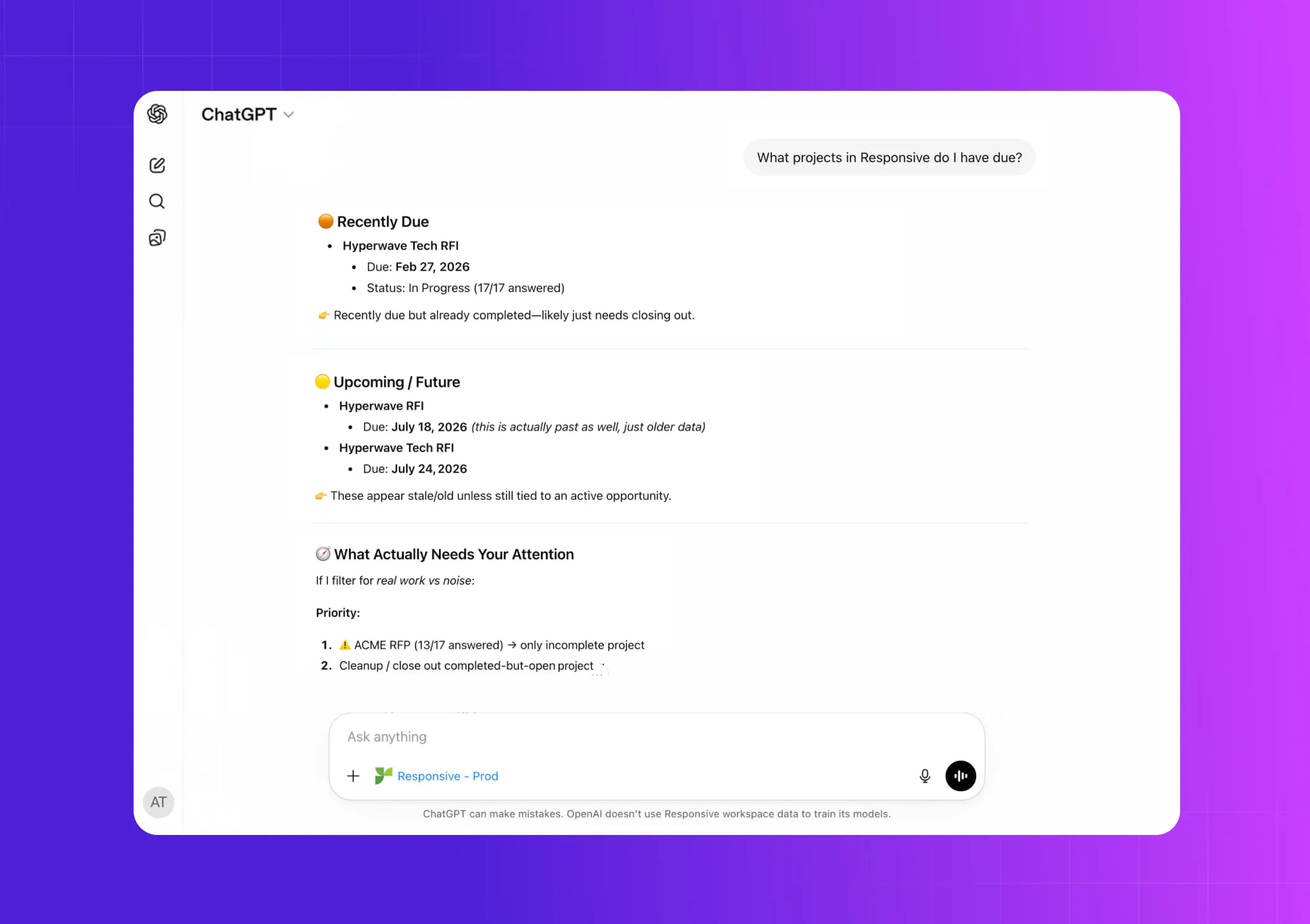
A: These systems connect seamlessly with existing tools through APIs and pre-built connectors for CRM systems, helpdesk software, document repositories, and communication platforms. They use retrieval-augmented generation (RAG) architectures to ground responses in your current, verifiable information by connecting to document databases and knowledge bases, with vector databases and search capabilities determining how quickly and accurately the system retrieves relevant information while maintaining security boundaries across different content types.
Q: What are the limitations and where is human oversight still needed?
A: AI response tools have limitations including potential hallucinations (confident but incorrect outputs), bias, and brittleness on complex or adversarial tasks, which is why the most successful implementations combine powerful AI capabilities with strong governance frameworks and human oversight mechanisms. Organizations should establish clear boundaries around when AI should and shouldn't be used, with human experts handling escalated complex issues while the AI handles routine inquiries and augments decision-making rather than completely replacing human expertise.
Q: What should we evaluate when choosing an AI response tool?
A: Focus on four key areas: automation capabilities and collaboration features that integrate into your team workflows, data management and content organization that efficiently handles your knowledge base, integration with existing systems through APIs and connectors, and measurable results including accuracy with citation sources, compliance features for regulated industries, and clear ROI metrics. Look for systems that provide confidence scores, audit trails, and transparent performance metrics rather than vendors making broad claims about AI capabilities.