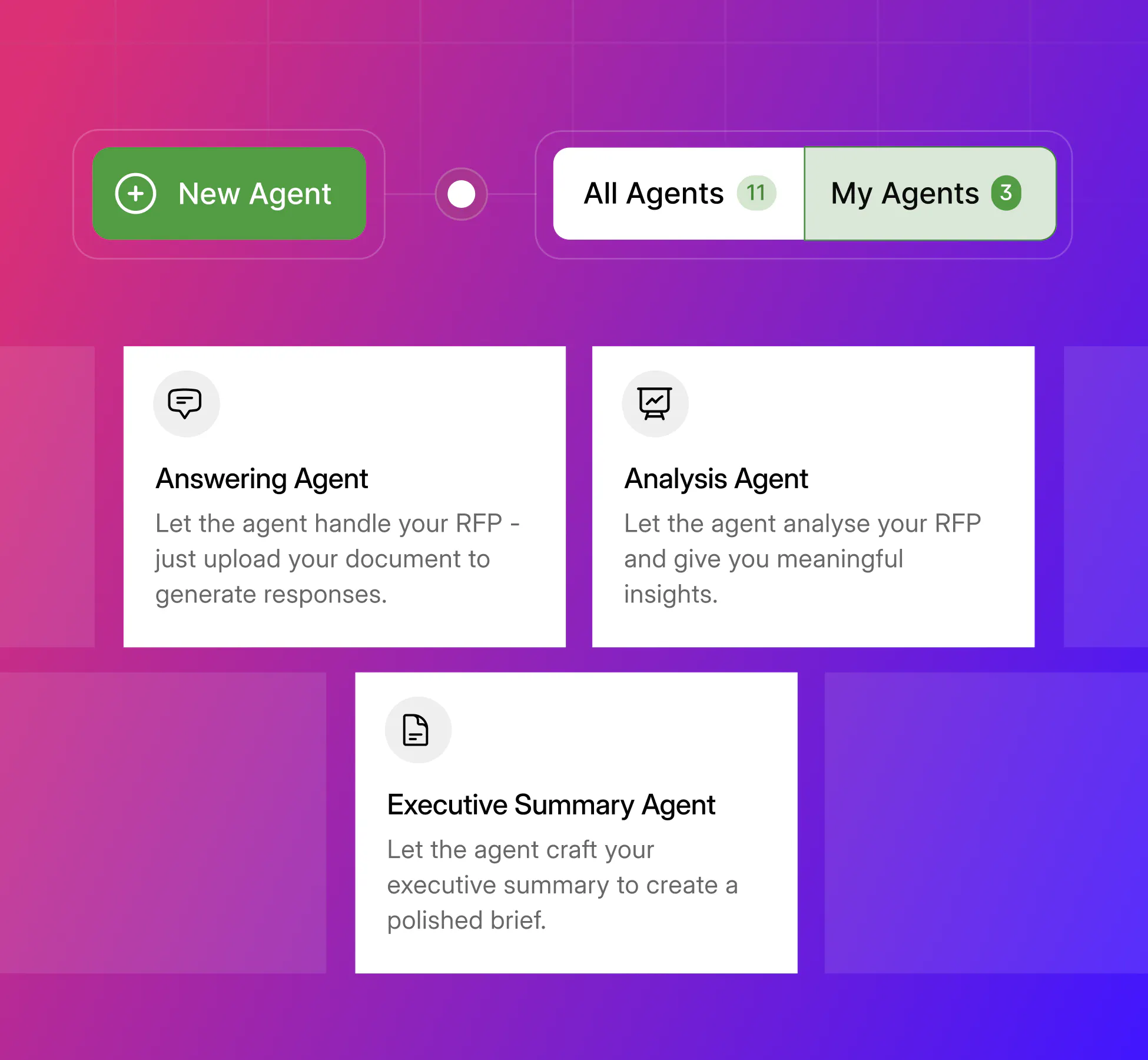
AI response workflow software represents a fundamental shift in how organizations handle complex, multi-step processes that require both artificial intelligence and human-level reasoning. These systems combine large language models with retrieval capabilities, external tools, and structured workflows to produce contextually accurate, auditable responses that go far beyond simple chatbot interactions. Unlike traditional automation that follows rigid scripts, AI response workflow software can adapt its approach based on context, retrieve relevant information from your organization's knowledge base, and execute multi-step processes while maintaining oversight and control. This technology matters now because enterprises are moving beyond basic AI pilots to production systems that can handle real business processes—from customer support escalations to security incident response—with the reliability and transparency that mission-critical operations demand. The key to successful implementation lies in understanding four critical evaluation areas: how well the system automates and supports collaboration, how it manages and accesses your data, how seamlessly it integrates with existing workflows, and whether it delivers measurable, trustworthy results that meet your compliance and performance requirements.
What these systems actually do
AI response workflow software orchestrates multi-step processes by combining several core technologies. At its foundation, the system uses large language models to understand context and generate responses, but constrains and enhances these models through retrieval-augmented generation (RAG), which grounds outputs in your organization's actual documents and data rather than relying solely on the model's training knowledge. The software addresses common pain points that plague traditional automation: the inability to handle nuanced requests, difficulty accessing up-to-date information, and lack of transparency in decision-making. Instead of requiring perfect upfront programming, these systems can reason through scenarios, retrieve relevant context, call external APIs or databases, and execute complex workflows while providing clear audit trails. Common features include document ingestion and embedding creation for semantic search, real-time retrieval and context augmentation, structured tool calling for API integrations, multi-step orchestration capabilities, and comprehensive observability for tracking decisions and performance. The technology also incorporates human oversight points, allowing teams to review and approve critical actions before execution. Organizations typically deploy these systems through cross-functional teams involving IT operations, customer support, security teams, and knowledge management professionals. Industries seeing rapid adoption include financial services for regulatory compliance workflows, healthcare for patient information management, technology companies for developer assistance, and manufacturing for maintenance and troubleshooting procedures.
How to evaluate the right solution
Automation and collaboration capabilities form the backbone of effective AI response workflow software. Look for systems that can handle your specific task complexity—from simple FAQ responses to multi-departmental processes involving approvals, escalations, and handoffs. The software should enhance teamwork by providing shared visibility into workflow status, enabling collaborative review processes, and maintaining consistent knowledge sharing across teams. Evaluate whether the system can adapt to your team's existing collaboration patterns rather than forcing entirely new processes. Data and content management determines whether your AI workflows will have access to accurate, current information. The system must efficiently ingest and organize your documents, databases, and knowledge repositories while maintaining data freshness through automated updates or real-time connections. Accessibility matters tremendously—your teams need to understand how the system retrieves information, trust its sources, and easily update knowledge bases when business processes change. Look for solutions that provide clear data lineage and citation capabilities. Integration impact often makes or breaks implementation success. The software should connect smoothly with your existing CRM, ticketing systems, databases, and APIs without requiring major infrastructure overhauls. Evaluate the quality of pre-built connectors, the flexibility of custom integrations, and whether the system can work within your current security and network constraints. Consider how the integration will affect system performance and whether it introduces new points of failure. Results and trust factors encompass the measurable outcomes that justify your investment. Accuracy becomes critical when workflows make decisions or provide customer-facing responses—look for systems with robust testing frameworks, confidence scoring, and clear error handling. Performance includes both speed and reliability under your expected load. Compliance capabilities should match your industry requirements, with proper audit trails, data handling controls, and approval mechanisms. Demand specific ROI metrics from vendor case studies, such as "reduced ticket resolution time by 40%" rather than vague efficiency claims.
What sets the best solutions apart
The AI response workflow market moves quickly, making careful vendor selection essential to avoid implementations that become obsolete or unsupported. Leading solutions distinguish themselves through several key factors that directly impact long-term success and ROI. When evaluating options, ask these critical questions: Does the vendor provide clear data usage policies that meet your privacy requirements, and can you control whether your data trains their models? Can you deploy the solution in your preferred environment—cloud, on-premises, or hybrid—to meet security and latency needs? How does the vendor handle model updates and backward compatibility to protect your workflow investments? What specific metrics and case studies demonstrate ROI in your industry or use case? Additionally, consider the vendor's roadmap alignment with your needs, the quality of their support and documentation, and whether their pricing model scales predictably with your usage. The best solutions offer transparent observability, robust safety guardrails, and clear upgrade paths as the underlying AI technology continues to evolve rapidly.
The strategic advantage of getting it right
AI response workflow software transforms how organizations handle knowledge-intensive processes by combining the reasoning capabilities of large language models with the reliability and oversight that business-critical operations require. These systems enable teams to automate complex, multi-step workflows while maintaining human control and providing clear audit trails. Success depends most heavily on selecting solutions with strong integration capabilities, transparent data handling, and proven results in scenarios similar to yours. The technology works best when it enhances existing team collaboration rather than replacing human judgment entirely. Looking ahead, expect continued consolidation among vendors, more sophisticated safety and governance features, and deeper integration between AI workflow platforms and traditional enterprise software. Organizations that establish solid foundations now—with proper evaluation, pilot testing, and measurement frameworks—will be positioned to scale these capabilities as the technology matures and costs continue to decrease.
FAQs
Q: How does AI response workflow software actually work and what benefits does it provide over traditional automation?
A: AI response workflow software orchestrates multi-step processes by combining large language models with retrieval-augmented generation (RAG), external tool integration, and structured workflows. Unlike rigid traditional automation that follows preset scripts, these systems can reason through scenarios, retrieve relevant information from your organization's knowledge base in real-time, and adapt their approach based on context. The key benefit is handling nuanced, complex processes—from customer support escalations to security incident response—while providing transparency through clear audit trails and maintaining accuracy by grounding responses in your actual documents and data rather than relying solely on AI training knowledge.
Q: What kind of automation and time savings can organizations expect from implementing these systems?
A: Organizations typically see significant automation of knowledge-intensive processes that previously required extensive manual work. For example, customer support teams can automate complex FAQ responses and ticket routing by having the system retrieve relevant information from current knowledge bases and execute multi-departmental workflows involving approvals and escalations. Security teams can automate incident response playbooks where the AI reasons through scenarios and calls appropriate APIs or databases. Financial services companies are automating regulatory compliance workflows, while healthcare organizations streamline patient information management. The measurable impact often includes metrics like "reduced ticket resolution time by 40%" as systems handle the information gathering, analysis, and initial response formation that previously consumed significant human time.
Q: How does the software integrate with existing tools and manage our organization's data and content?
A: The software connects to your existing CRM, ticketing systems, databases, and APIs through pre-built connectors and custom integrations using modern function-calling capabilities. For data management, the system ingests and organizes your documents, databases, and knowledge repositories, creating searchable embeddings while maintaining data freshness through automated updates or real-time connections. It provides semantic search capabilities, clear data lineage, and citation features so teams can understand how information is retrieved and trust its sources. The system works within your current security and network constraints, with options for cloud-hosted, self-hosted, or hybrid deployment models to meet data residency and privacy requirements.
Q: What are the limitations of these systems and where is human oversight still essential?
A: While AI response workflow software can handle complex reasoning and multi-step processes, human judgment remains critical for several areas. The systems can still experience hallucinations or factual errors, particularly when dealing with edge cases or information outside their training data. Human oversight is essential for reviewing and approving critical actions before execution, especially in workflows involving compliance, financial decisions, or customer-facing communications. The technology works best when it enhances existing team collaboration rather than replacing human decision-making entirely. Organizations need robust testing frameworks, confidence scoring, and clear error handling, along with proper governance frameworks to manage autonomous agents safely in business-critical operations.
Q: What should organizations evaluate when selecting an AI response workflow solution?
A: Focus on four critical areas: automation and collaboration capabilities that match your task complexity and enhance teamwork; data and content management that efficiently organizes your information with clear data lineage and easy updates; integration quality including pre-built connectors and custom integration flexibility that works within your existing infrastructure; and results and trust factors including accuracy with robust testing frameworks, performance under expected load, and compliance capabilities with proper audit trails. Ask vendors for specific ROI metrics and case studies in your industry, verify their data usage policies meet your privacy requirements, understand deployment options (cloud, on-premises, hybrid), and evaluate how they handle model updates and backward compatibility to protect your workflow investments. The best solutions offer transparent observability, robust safety guardrails, and clear upgrade paths as AI technology continues evolving.