AI sales content automation software represents a transformative shift in how sales teams create, discover, and deploy content throughout the sales cycle. These platforms combine large language models with retrieval systems and workflow automation to generate personalized emails, assemble proposals, create meeting briefs, and deliver contextual recommendations directly within existing sales tools. Rather than replacing human judgment, these systems act as intelligent copilots that handle repetitive content tasks while ensuring brand consistency and compliance. The technology addresses persistent pain points that have plagued sales organizations for years: sellers spending hours searching for the right materials, manually personalizing dozens of outreach messages, and struggling to maintain message consistency across large teams. Modern platforms can reduce content search time by up to 95% and automate proposal generation that previously required significant manual effort. This capability matters now because the underlying technologies—transformer models, semantic search, and retrieval-augmented generation—have matured enough to deliver reliable, business-grade results. Organizations can finally automate content workflows at scale while maintaining the personalization and accuracy that sales success demands.
What these platforms actually do
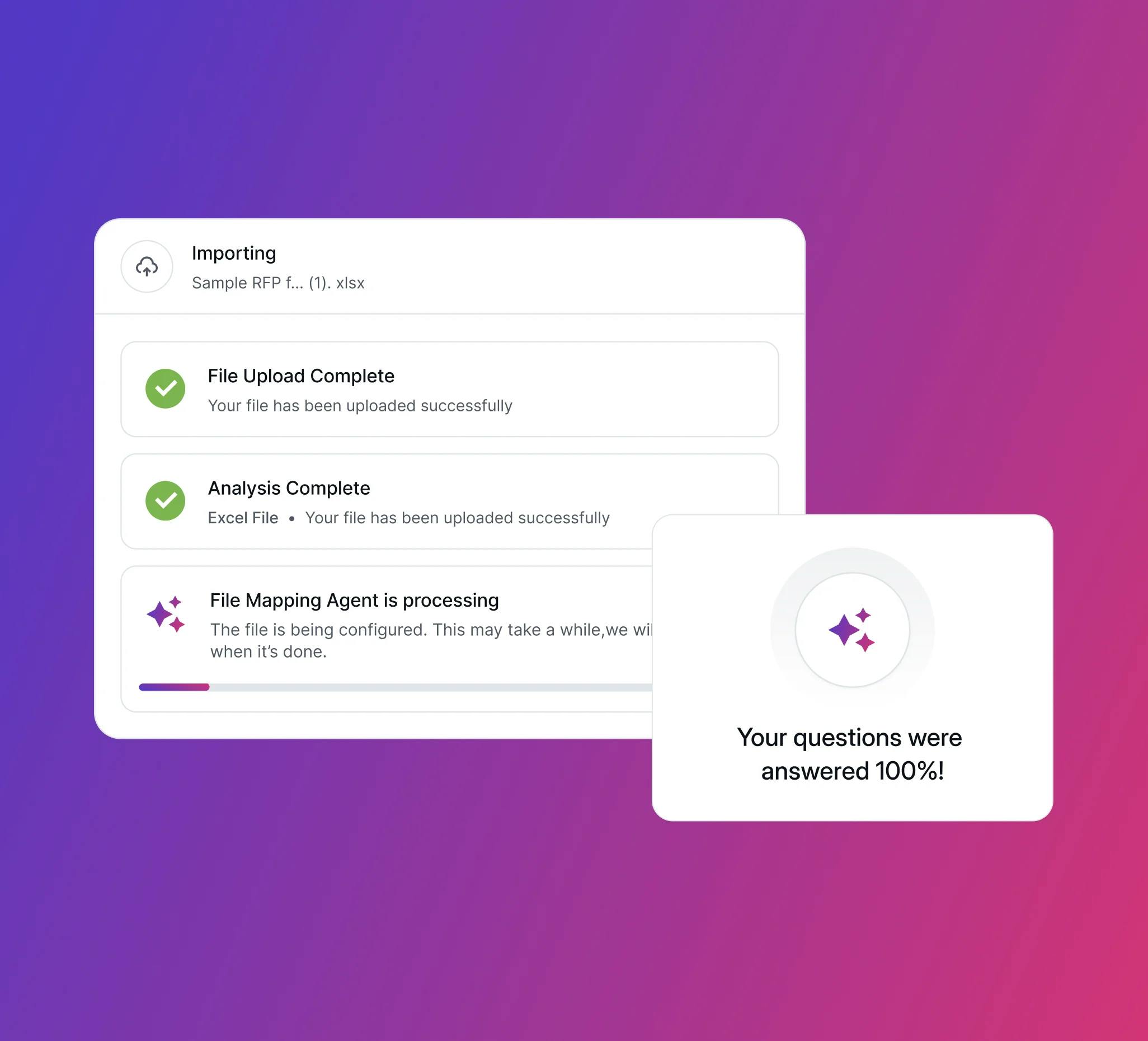
AI sales content automation software tackles four core areas where sales teams traditionally lose time and consistency. Content generation handles the drafting of personalized emails, follow-up sequences, and proposal sections based on opportunity context and company materials. Content discovery replaces manual searching with AI-powered recommendations that surface relevant materials based on deal characteristics, buyer personas, and conversation history. Template assembly automates the creation of customized presentations and proposals by pulling approved content blocks, inserting relevant data points, and maintaining brand guidelines. Workflow automation extends beyond content creation to handle post-meeting summaries, next-step reminders, and compliance tracking. The technical foundation combines several key components. Large language models provide the generation capability, while embedding models and vector databases enable semantic search across company content libraries. Retrieval-augmented generation (RAG) systems ground AI outputs in approved materials, reducing hallucination risk and ensuring factual accuracy. Integration layers connect these capabilities directly into CRM systems, email platforms, and meeting tools where sellers spend their time. Sales development representatives use these tools primarily for outbound sequences and meeting preparation. Account executives leverage them for proposal customization and stakeholder communication. Sales engineers benefit from technical content assembly and competitive positioning materials. The technology has found particular traction in technology, financial services, and professional services industries where content personalization and technical accuracy are critical.
Automation and collaboration capabilities
The most impactful automation features handle high-frequency, low-complexity tasks that traditionally consume significant seller time. Email personalization can process prospect data, company research, and conversation history to generate contextually relevant outreach messages in seconds rather than minutes. Meeting preparation automation creates briefing documents that compile account history, stakeholder mapping, and relevant case studies before each interaction. Proposal generation represents a more sophisticated use case where platforms assemble custom documents by selecting appropriate content blocks, inserting deal-specific information, and maintaining formatting consistency. Post-meeting automation captures action items, generates follow-up emails, and updates CRM records without manual data entry. Collaboration improves through shared content libraries with AI-powered tagging and organization. When marketing creates new materials, the system automatically categorizes and makes them discoverable based on use cases, industries, and buyer stages. Content performance analytics show which materials drive engagement and conversion, enabling data-driven optimization. Team consistency emerges as a significant benefit when AI systems enforce messaging frameworks and brand guidelines across all generated content. New team members can access institutional knowledge and proven messaging patterns without extensive training periods.
Data organization and accessibility
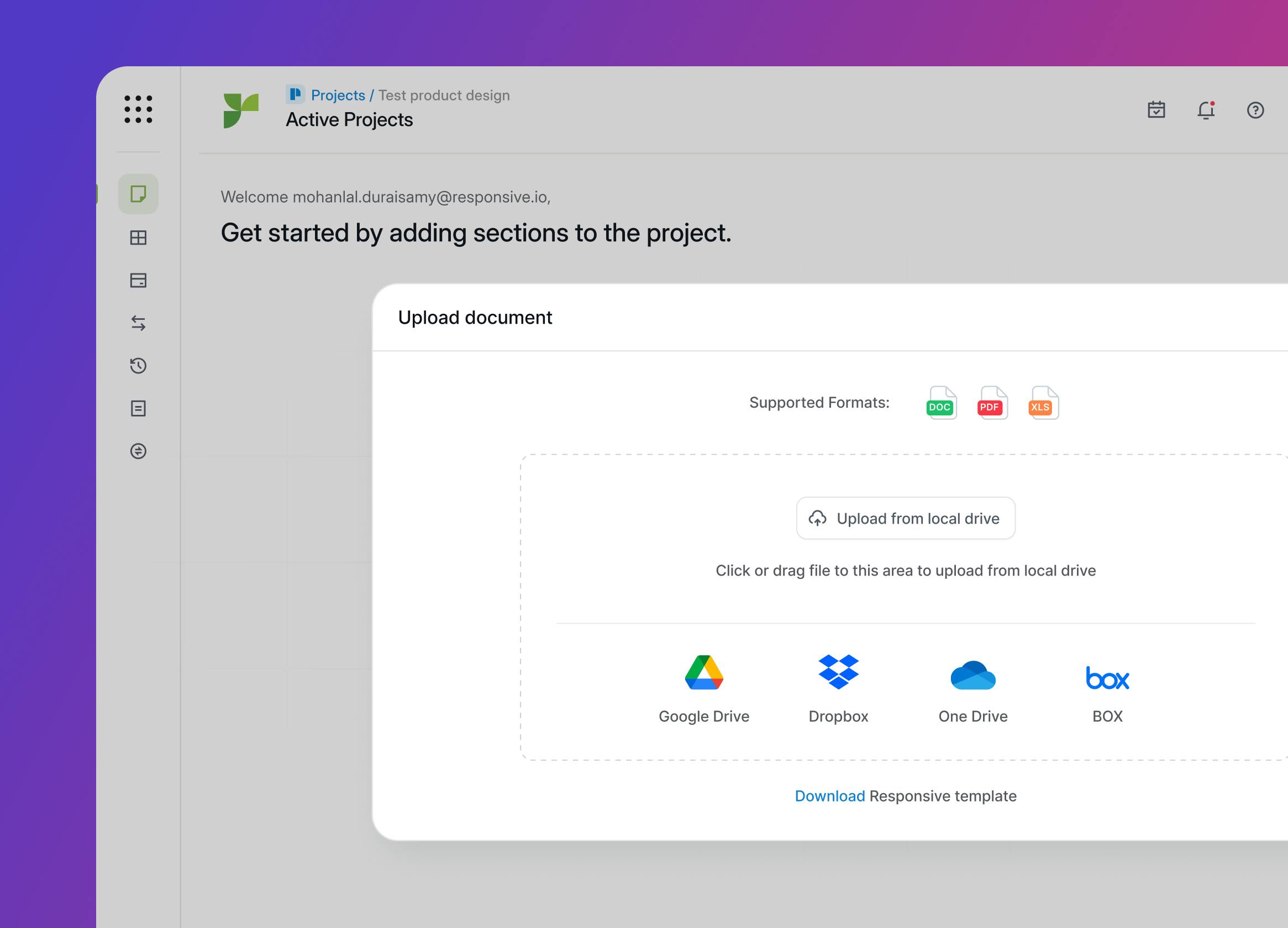
Effective AI sales content automation depends entirely on well-organized, accessible content repositories. The system's ability to retrieve and recommend relevant materials relies on comprehensive indexing of presentations, case studies, competitive battle cards, legal templates, and product documentation. Vector-based search capabilities enable semantic matching that goes beyond keyword searches. Sellers can ask natural language questions like "what objections do enterprise security buyers typically raise" and receive relevant materials even if they don't contain those exact terms. Content governance becomes critical when AI systems can generate materials at scale. Approval workflows ensure generated content meets legal and compliance requirements before distribution. Version control prevents outdated materials from being recommended or included in automated assemblies. Integration with existing content systems—SharePoint, Google Drive, CMS platforms—determines implementation success. Platforms that can index content in place without requiring migration demonstrate faster time to value and higher adoption rates.
Integration impact and workflow considerations
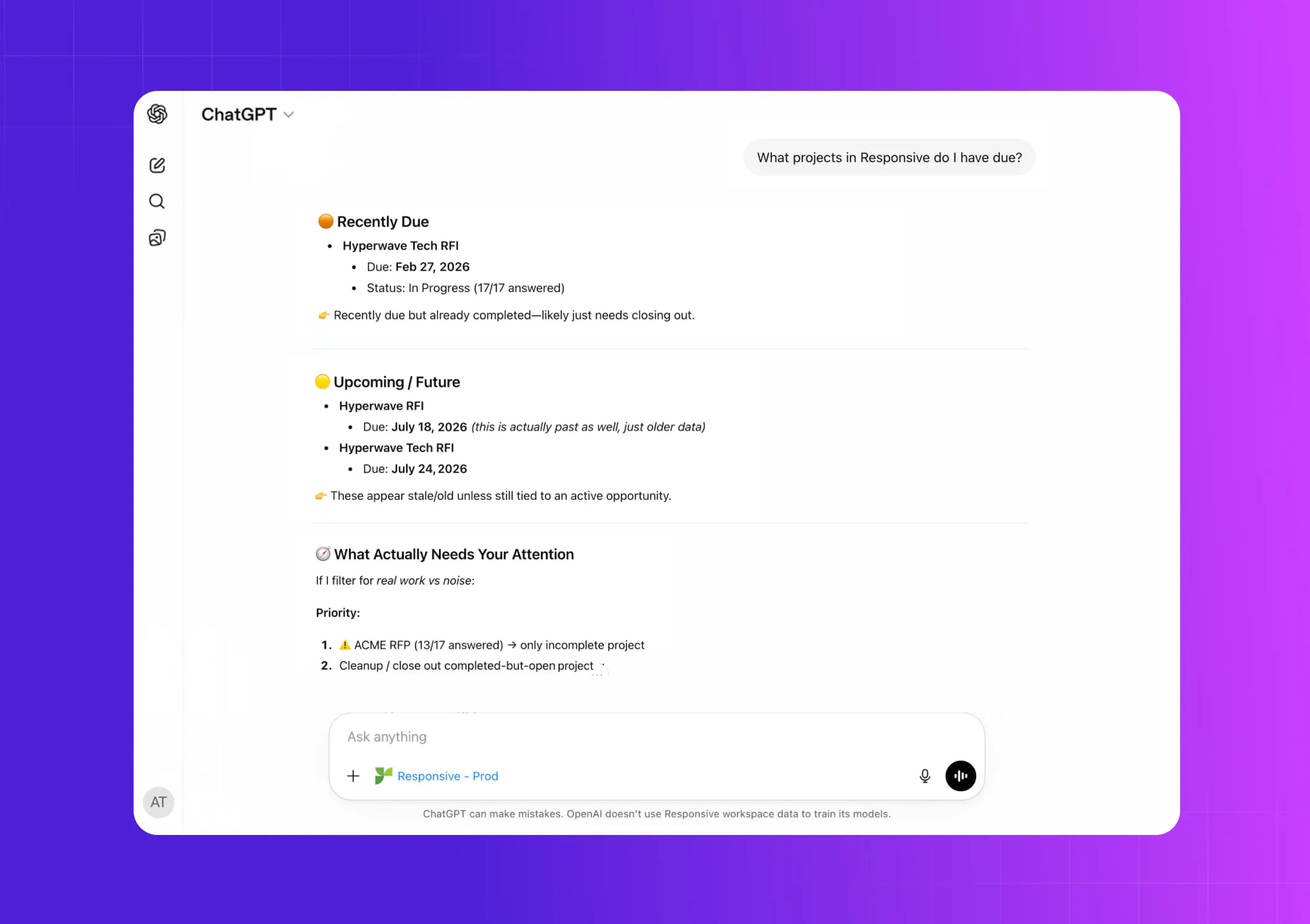
The most successful deployments integrate AI content automation directly into existing workflows rather than requiring sellers to adopt new tools. Native integrations with Salesforce, HubSpot, and Microsoft Outlook ensure AI capabilities appear within familiar interfaces. API-first architectures enable custom integrations with industry-specific tools and proprietary systems. Organizations can connect content automation to their existing tech stacks without disrupting established processes. The integration approach affects user adoption significantly. Systems that require context switching between multiple applications face resistance, while embedded capabilities that enhance existing workflows see rapid uptake. Calendar integration for meeting preparation and CRM integration for opportunity-specific content recommendations exemplify this embedded approach. Data flow considerations include how the system accesses opportunity information, contact data, and conversation history. Privacy controls must ensure sensitive information remains secure while enabling personalization capabilities.
Performance measurement and trust factors
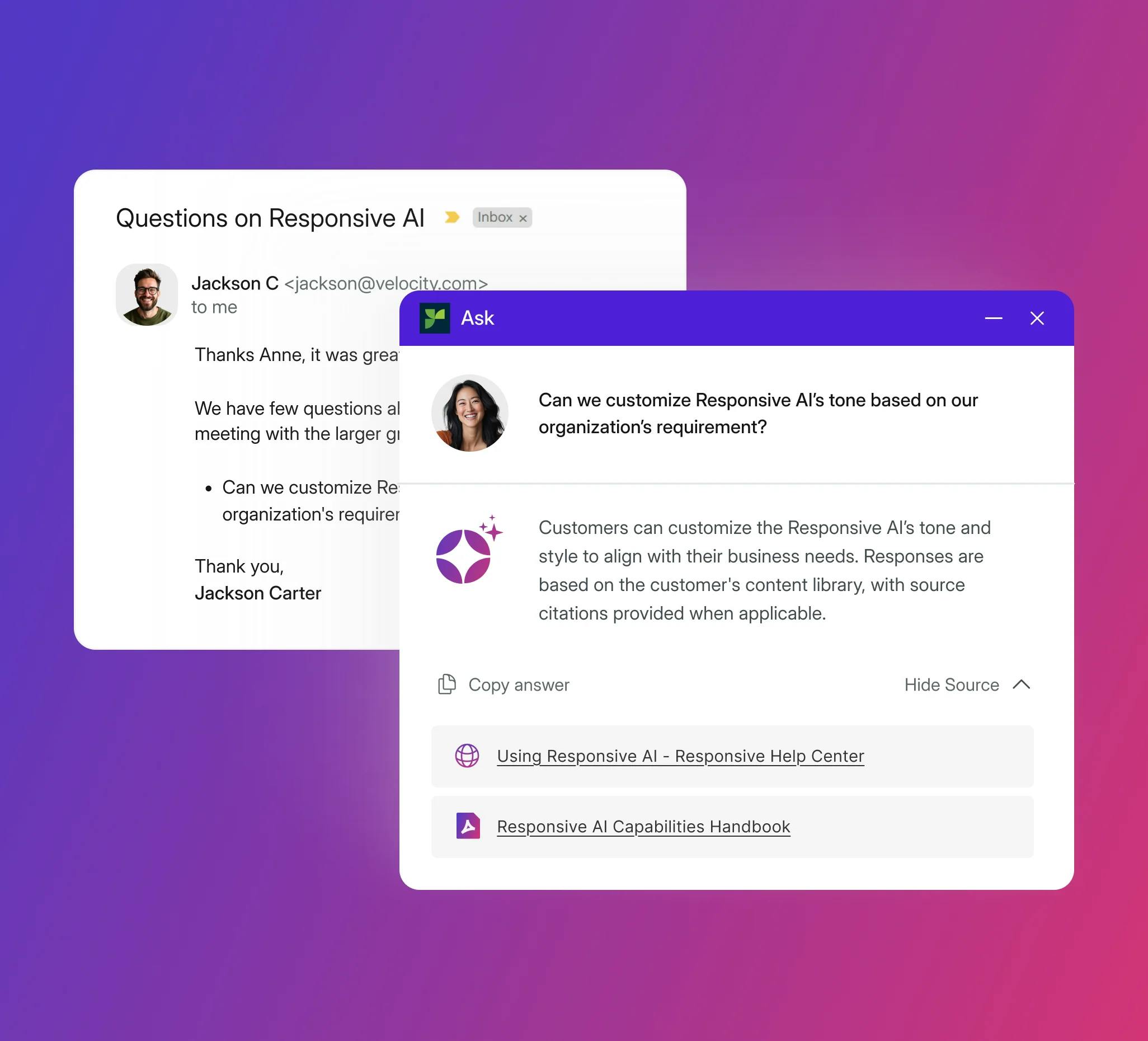
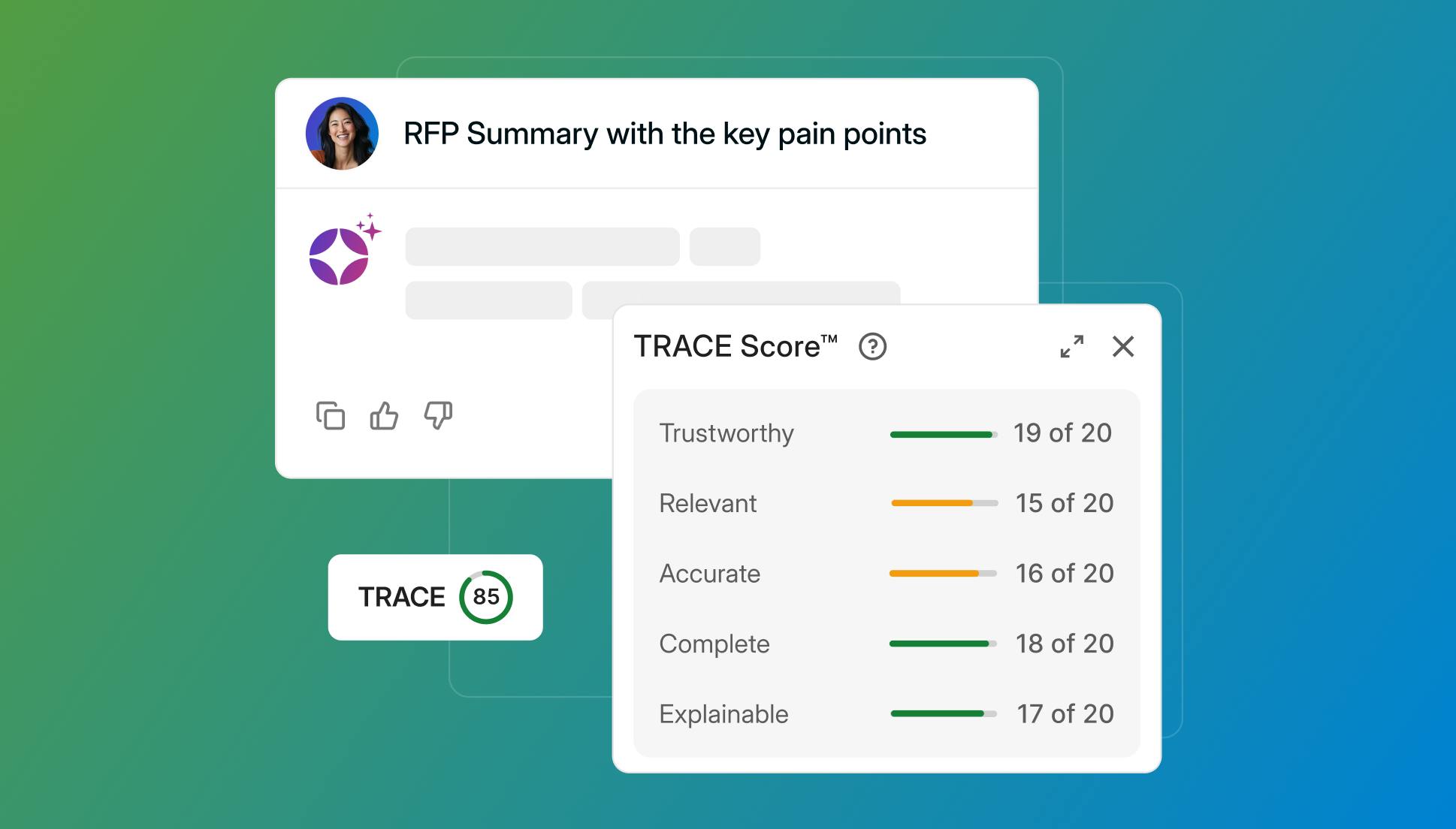
Modern platforms provide detailed analytics on content performance, usage patterns, and business impact. Organizations can track which AI-generated materials drive engagement, measure time savings per seller, and correlate content usage with revenue outcomes. Accuracy measures include factual correctness of generated content, relevance of recommended materials, and compliance with brand guidelines. Leading platforms display confidence scores and source citations to help sellers evaluate AI-generated recommendations. Hallucination mitigation relies primarily on RAG systems that ground responses in approved company materials rather than relying solely on model training data. Human-in-the-loop review processes catch errors before content reaches prospects, while continuous feedback loops improve system performance over time. ROI calculations typically focus on time savings, content utilization improvements, and pipeline velocity increases. Organizations commonly report 40-60% reductions in content preparation time and significant improvements in material usage across sales teams.
Making the right platform choice
Platform selection requires careful evaluation because these systems become deeply embedded in daily workflows and content strategies. The wrong choice creates adoption challenges and integration complexity that can persist for years. Organizations should evaluate several key questions during the selection process. How does the platform handle your existing content formats and repositories? Can it integrate seamlessly with your current CRM and communication tools? What controls exist for ensuring brand consistency and compliance? How transparently does the system explain its recommendations and outputs? Technical considerations include deployment options (cloud vs. on-premises), data residency requirements, and scalability for your team size. Security and privacy capabilities matter particularly for organizations handling sensitive customer information or operating in regulated industries. Vendor stability and roadmap alignment deserve attention given the rapid evolution in AI capabilities. Platforms that demonstrate clear technical architectures and established customer bases offer lower implementation risk than newer entrants with unproven systems.
Looking ahead
AI sales content automation software transforms how sales teams create and deploy materials throughout the buyer journey. The technology delivers measurable time savings while improving content consistency and personalization at scale. Organizations that implement these platforms thoughtfully see significant improvements in seller productivity and content effectiveness. The most critical evaluation criteria center on integration capabilities, content governance controls, and measurable business impact. Platforms that embed seamlessly into existing workflows while providing transparent performance metrics offer the highest likelihood of successful adoption. Future developments will likely focus on more sophisticated workflow automation, improved multi-modal capabilities that handle video and voice content, and deeper integration with emerging sales technologies. Organizations that establish strong content governance and measurement practices now will be best positioned to leverage these advancing capabilities as they become available.
FAQs
Q: How does AI sales content automation actually work and what benefits does it provide?
A: AI sales content automation software combines large language models with retrieval systems and workflow automation to generate personalized emails, assemble proposals, create meeting briefs, and deliver contextual recommendations directly within existing sales tools. Rather than replacing human judgment, these systems act as intelligent copilots that handle repetitive content tasks while ensuring brand consistency and compliance. The technology can reduce content search time by up to 95% and automate proposal generation that previously required significant manual effort.
Q: What specific tasks can be automated and how much time does this save sales teams?
A: The most impactful automation features handle high-frequency, low-complexity tasks like email personalization (processing prospect data to generate contextually relevant outreach in seconds), meeting preparation (creating briefing documents with account history and stakeholder mapping), and proposal generation (assembling custom documents with appropriate content blocks and deal-specific information). Organizations commonly report 40-60% reductions in content preparation time, with post-meeting automation also capturing action items and updating CRM records without manual data entry.
Q: How do these platforms integrate with existing sales tools and manage company content?
A: The most successful deployments integrate directly into existing workflows through native integrations with Salesforce, HubSpot, and Microsoft Outlook, ensuring AI capabilities appear within familiar interfaces. The systems index content from SharePoint, Google Drive, and CMS platforms using vector-based search that enables semantic matching beyond keyword searches. API-first architectures enable custom integrations, while content governance workflows ensure generated materials meet legal and compliance requirements before distribution.
Q: What are the limitations of AI sales content automation and where is human oversight still required?
A: Key limitations include hallucination risk (factually incorrect generated text), data privacy concerns, and potential automation errors in workflows. Human oversight remains critical for reviewing AI-generated content before it reaches prospects, ensuring compliance with brand guidelines, and making strategic decisions about messaging and positioning. Leading platforms use retrieval-augmented generation (RAG) systems that ground responses in approved company materials and display confidence scores to help sellers evaluate AI recommendations, but human-in-the-loop review processes are essential for catching errors.
Q: What should organizations evaluate when choosing an AI sales content automation platform?
A: Organizations should evaluate how platforms handle existing content formats and repositories, integration capabilities with current CRM and communication tools, controls for brand consistency and compliance, and transparency in recommendations and outputs. Technical considerations include deployment options (cloud vs. on-premises), data residency requirements, scalability, and security capabilities for sensitive customer information. Vendor stability, established customer bases, and clear technical architectures offer lower implementation risk, while measurable performance metrics and ROI tracking capabilities are essential for demonstrating business impact.