Understanding AI sales enablement software in 2026

9 min read

AI sales enablement software represents a significant evolution beyond traditional content repositories and learning management systems. These platforms combine conventional sales support functions—content organization, training materials, CRM integration—with machine learning and generative AI capabilities that can automatically personalize outreach, transcribe and analyze sales conversations, prioritize leads, and suggest next-best actions throughout the sales cycle. The technology addresses persistent challenges that have long frustrated sales teams: time wasted searching for the right content, inconsistent messaging across deals, manual note-taking during calls, and difficulty identifying which opportunities deserve immediate attention. Modern AI-powered platforms can surface relevant materials within seconds, generate personalized email drafts based on prospect behavior, and automatically capture conversation highlights that inform coaching decisions. What makes this category particularly relevant now is the convergence of several technical advances—large language models that can understand context and generate human-like text, automatic speech recognition that accurately transcribes conversations, and retrieval systems that can instantly search across thousands of documents. This combination enables sales teams to automate administrative tasks while maintaining the personal touch that drives revenue.

How AI transforms the sales toolkit

At its core, AI sales enablement software automates the routine work that typically consumes 30-40% of a salesperson's time. Instead of manually searching through content libraries or typing detailed follow-up notes, sellers can ask natural language questions like "show me case studies for healthcare prospects concerned about compliance" and receive targeted recommendations within seconds. The underlying technology stack centers on large language models built using Transformer architecture, which excel at understanding context and generating relevant text. These models work alongside retrieval-augmented generation (RAG) systems that ground AI outputs in actual company documents rather than generic responses. When a salesperson requests proposal content, the system retrieves relevant materials from approved repositories and crafts responses that align with corporate messaging guidelines. Conversation intelligence represents another critical capability. Advanced automatic speech recognition transcribes calls in real-time, while natural language processing identifies key moments—when prospects express concerns, mention competitors, or signal buying intent. This technology converts unstructured conversation data into structured insights that inform deal strategies and coaching programs. Common features include content recommendation engines that suggest materials based on deal characteristics, AI-powered email drafting that personalizes outreach based on prospect research, automated meeting summaries that capture action items and next steps, predictive lead scoring that identifies high-value opportunities, and role-playing simulations that help sellers practice objection handling. Revenue operations teams, sales managers, and individual contributors all benefit from different aspects of the platform. RevOps professionals use predictive analytics to improve forecasting accuracy and pipeline hygiene. Managers leverage conversation intelligence to identify coaching opportunities and track message consistency. Front-line sellers rely on content recommendations and automated administrative support to focus on relationship building.

What to evaluate when selecting a platform

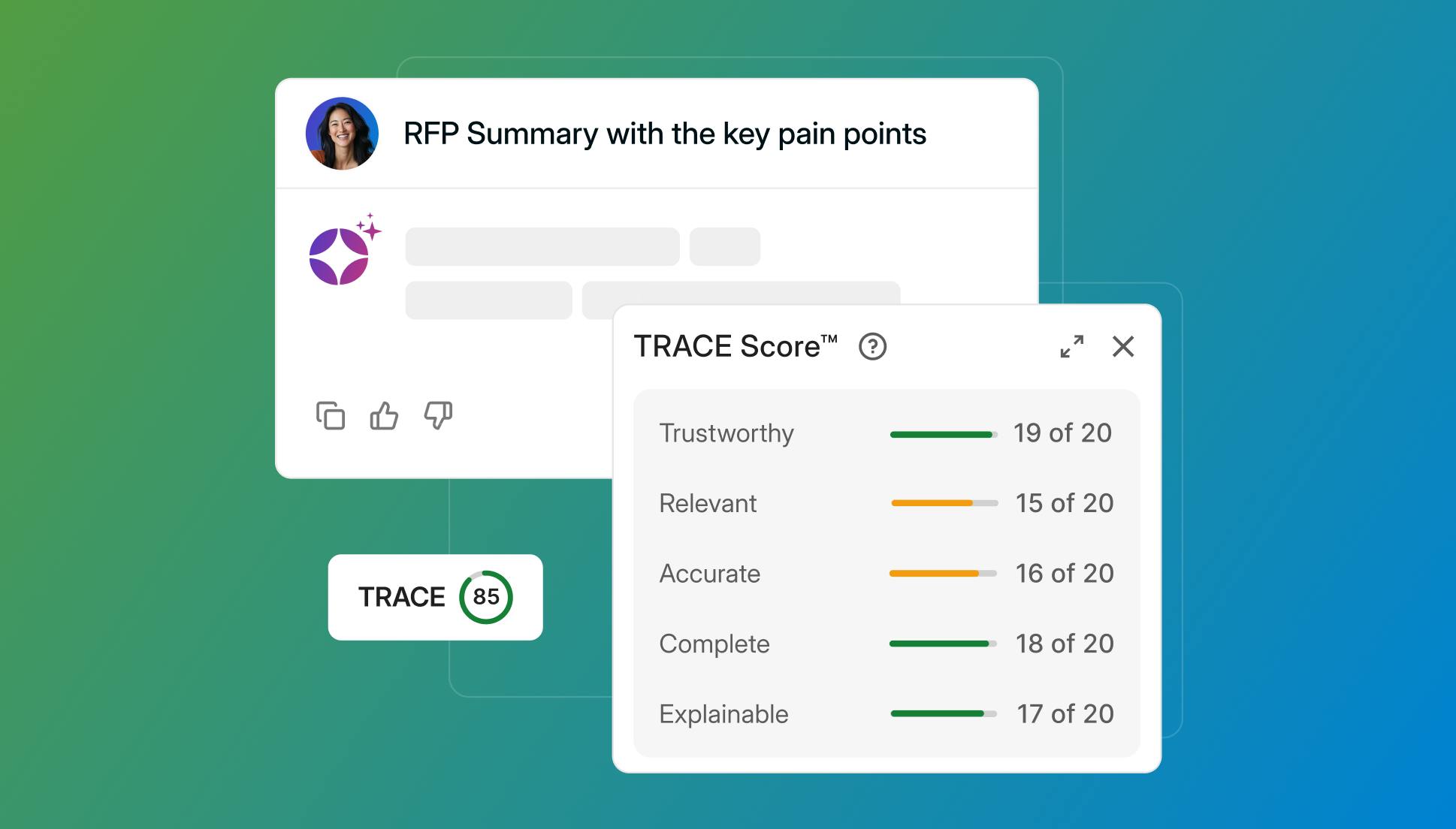
Automation capabilities and workflow integration should be your primary focus. Examine which repetitive tasks the platform can handle—content search, note-taking, follow-up scheduling, proposal generation—and how these automations fit into existing sales processes. The most effective platforms reduce administrative burden without requiring sellers to learn entirely new workflows. Look for features that enhance collaboration between marketing, sales, and customer success teams. Can marketing teams track which content performs best in actual deals? Do conversation insights flow back to product teams? Can customer success access sales context when accounts transition? Platforms that break down organizational silos deliver more comprehensive value. Data organization and content accessibility determine whether your team will actually use the AI features. Evaluate how the platform handles content versioning, ensures sellers access current materials, and maintains security controls around sensitive documents. The system should make finding relevant content easier, not create another repository to search. Consider the quality of content recommendations. Does the system learn from successful deals to suggest better materials over time? Can it distinguish between prospects at different stages of the buying journey? Test whether recommendations feel relevant or generic during your evaluation process. Integration depth matters more than integration breadth. Focus on how well the platform connects with your CRM system, email client, and video conferencing tools. Shallow integrations that require constant switching between systems defeat the purpose of automation. Look for platforms that can access CRM data to inform AI recommendations and write insights back to opportunity records. Evaluate data flow between systems. Can the platform pull prospect research from your CRM to personalize outreach? Does conversation intelligence automatically update deal risk scores? The most valuable platforms create feedback loops where insights from one system improve performance in others. Accuracy and trust factors require careful scrutiny. Test the platform's conversation transcription accuracy with your typical call quality and accents. Examine whether content recommendations align with your messaging strategy. Look for businesses offering explanation features that show why the AI suggested specific actions. Measure performance through pilots that track metrics like content usage rates, email response rates, and time spent on administrative tasks. Establish baseline measurements before implementation to quantify actual productivity gains. Be skeptical of vendor ROI claims that aren't based on controlled studies.

Why careful selection delivers competitive advantage

The AI sales enablement market includes dozens of vendors with overlapping capabilities, making differentiation challenging. Some platforms excel at conversation intelligence but offer limited content management. Others provide comprehensive enablement features but basic AI functionality. Your evaluation should focus on which specific pain points cause the most friction for your sales team. Consider these key questions during vendor discussions: How does the platform handle hallucinations or factually incorrect AI outputs? What data privacy controls protect sensitive prospect information? Can the system adapt recommendations based on your industry's unique sales cycles? How does pricing scale with usage—particularly for AI-generated content that may consume significant compute resources? Examine the vendor's approach to model updates and feature releases. Platforms that rely entirely on third-party AI providers may face service disruptions or sudden price increases. Those with proprietary models might lag behind in capability improvements. Look for vendors that balance innovation with stability. Pay attention to implementation requirements beyond software configuration. Successful deployments typically require data engineering to clean and organize existing content, change management to update sales processes, and ongoing governance to ensure AI outputs align with company policies. Vendors should provide clear guidance on these organizational requirements.

The evolution continues

AI sales enablement software addresses fundamental challenges that have limited sales productivity for decades—information overload, administrative burden, and inconsistent execution. By automating routine tasks and surfacing relevant insights, these platforms enable sellers to focus on relationship building and strategic thinking. When evaluating platforms, prioritize automation quality, data integration depth, and measurable productivity improvements over feature counts or AI model sophistication. The most successful implementations balance technological capability with organizational readiness and clear success metrics. The category will continue evolving toward more sophisticated agent-based automation and multimodal capabilities that process documents, audio, and video simultaneously. However, the core value proposition remains consistent: reducing administrative friction so sales professionals can spend more time with prospects and customers. Organizations that select platforms aligned with this principle will see the greatest return on their AI investments.

FAQs

Q: How does AI sales enablement software actually work and what benefits does it provide?

A: AI sales enablement software combines traditional sales support functions like content management and CRM integration with machine learning and generative AI capabilities. The technology uses large language models built on Transformer architecture alongside retrieval-augmented generation (RAG) systems to automatically surface relevant content, personalize outreach, transcribe and analyze sales conversations, and suggest next-best actions. The primary benefits include reducing the 30-40% of time salespeople typically spend on administrative tasks, enabling faster content discovery through natural language queries, and maintaining consistent messaging across deals while providing personalized customer interactions.

Q: What specific tasks can AI sales enablement platforms automate and how much time do they save?

A: These platforms automate routine administrative work including content searching, note-taking during calls, follow-up scheduling, proposal generation, and meeting summarization. Sales teams can ask natural language questions like "show me case studies for healthcare prospects concerned about compliance" and receive targeted recommendations within seconds instead of manually searching through content libraries. Conversation intelligence features automatically transcribe calls in real-time, capture key moments when prospects express concerns or buying intent, and convert unstructured conversation data into structured insights. This automation allows sellers to focus on relationship building and strategic thinking rather than administrative burden.

Q: How do these platforms integrate with existing tools and handle company data?

A: Modern AI sales enablement platforms integrate deeply with CRM systems, email clients, and video conferencing tools, accessing CRM data to inform AI recommendations and writing insights back to opportunity records. The systems use text embeddings stored in vector databases to enable semantic search across corporate documents and CRM records. RAG technology ensures AI outputs are grounded in actual company documents rather than generating generic responses, maintaining security controls around sensitive documents while making content more accessible. The most valuable platforms create feedback loops where insights from one system improve performance in others, breaking down silos between marketing, sales, and customer success teams.

Q: What are the limitations and where is human oversight still required?

A: AI sales enablement platforms have several important limitations that require human oversight and governance. LLM outputs can produce hallucinations or factually incorrect information, and ASR transcription may occasionally invent content or miss nuances. Predictive scoring models can exhibit bias and lack explainability, while data privacy concerns arise when sensitive prospect information enters third-party AI models. These platforms are also heavily dependent on data quality—poor CRM hygiene or outdated content will result in poor AI recommendations. Organizations must implement guardrails, human-in-the-loop checks, and governance policies to ensure AI outputs align with company messaging and compliance requirements.

Q: What should buyers evaluate when selecting an AI sales enablement platform?

A: Focus on automation quality and workflow integration rather than feature counts or AI model sophistication. Evaluate which repetitive tasks the platform handles effectively and how these automations fit existing sales processes without requiring entirely new workflows. Examine integration depth with your CRM, email, and conferencing tools—shallow integrations defeat the purpose of automation. Test the accuracy of conversation transcription, relevance of content recommendations, and the platform's ability to learn from successful deals. Consider data organization capabilities, content versioning, and security controls. Establish baseline productivity measurements before implementation and run controlled pilots to quantify actual gains in metrics like content usage rates, email response rates, and time spent on administrative tasks.