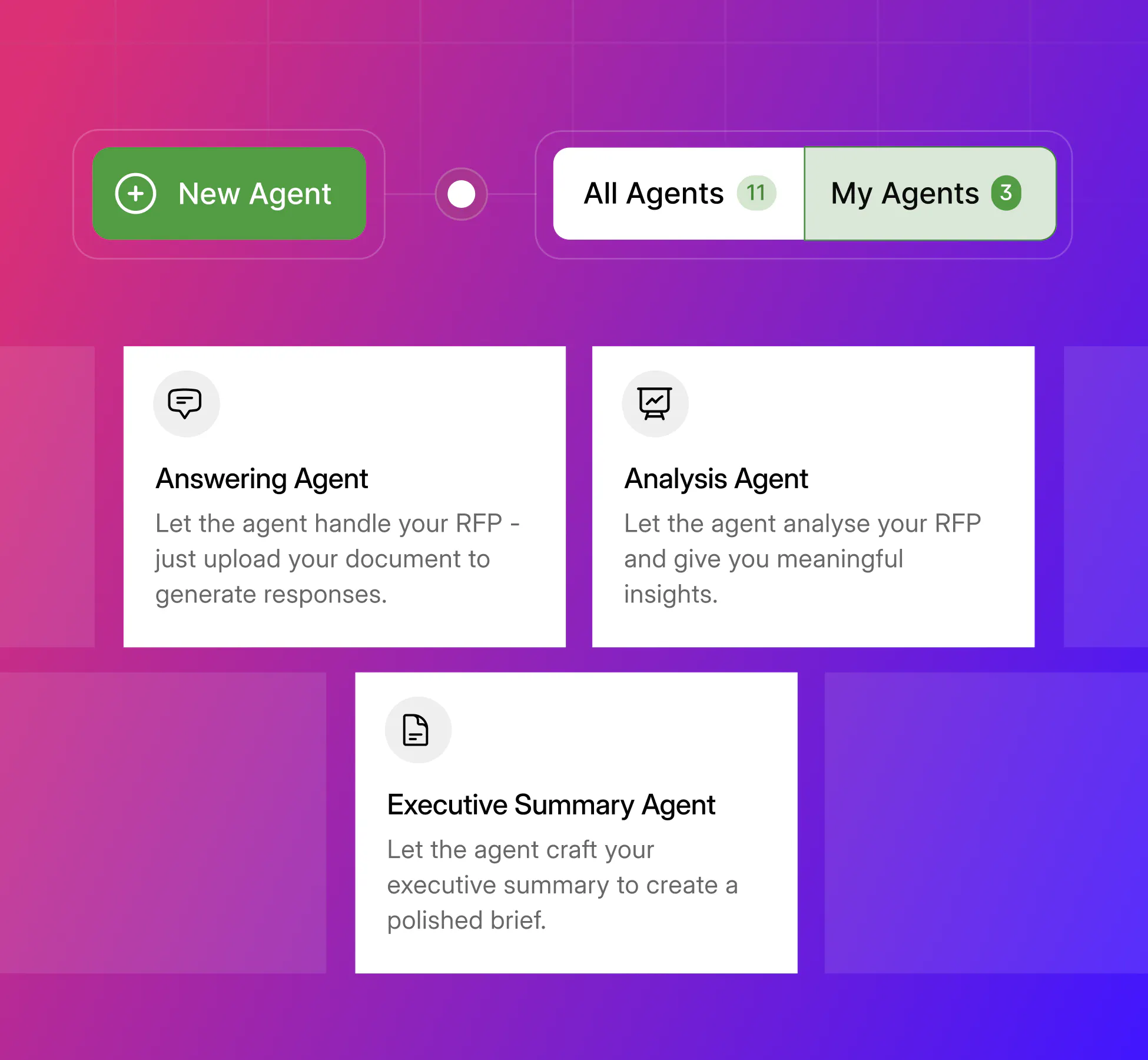
AI sales proposal software represents a fundamental shift in how businesses create, manage, and deliver sales documents. This technology combines generative artificial intelligence with existing document automation to transform time-intensive proposal creation into a streamlined, data-driven process. Instead of sales teams spending hours crafting custom proposals from scratch, these platforms automatically generate personalized quotes, statements of work, and contracts by pulling data from CRM systems and applying intelligent content generation. The timing couldn't be more critical. Modern B2B sales cycles demand faster response times while maintaining higher levels of personalization and accuracy. Sales teams face mounting pressure to deliver compelling, error-free proposals that align with brand standards and compliance requirements. Traditional proposal methods—copying and pasting from previous documents, manually updating pricing, and coordinating approvals across teams—create bottlenecks that slow deal velocity and introduce costly errors. When evaluating these platforms, you'll want to focus on four key areas: automation capabilities and collaboration features, data management and content organization, integration impact with existing workflows, and measurable results including accuracy and ROI. Understanding these criteria will help you identify solutions that deliver genuine productivity gains rather than just flashy AI features.
How intelligent proposal systems actually work
AI sales proposal software operates on a foundation of template-driven automation enhanced by large language models. The core principle involves binding pre-approved content templates with real-time data from your CRM, product catalogs, and customer records. When a sales representative initiates a proposal, the system automatically populates pricing, product specifications, and customer details while generating contextual narrative sections like executive summaries and value propositions. The technology relies heavily on retrieval-augmented generation (RAG), which grounds AI-generated content in your organization's actual knowledge base. Rather than allowing the AI to create content from scratch—which risks generating inaccurate information—these systems search through approved documents, previous proposals, and product specifications to ensure factual accuracy. This approach combines the speed of AI generation with the reliability of your established content library. Most platforms address several persistent pain points in sales operations. Quote-to-cash cycles accelerate because pricing calculations happen automatically with built-in approval workflows. Brand consistency improves through enforced templates and approved language libraries. Error rates drop significantly when manual data entry is replaced with automated field population. Teams collaborate more effectively through shared content repositories and real-time editing capabilities. Sales operations teams, proposal specialists, and individual sales representatives typically use these tools across industries ranging from professional services to manufacturing. Complex B2B environments with lengthy sales cycles see the greatest impact, particularly when dealing with customized solutions that require detailed statements of work or multi-product configurations.
What to evaluate when choosing a platform
Automation depth and team collaboration
Look beyond basic template filling to understand how much of your proposal process the platform can actually automate. The most effective systems handle complex workflows including approval routing, legal review queues, and multi-stakeholder input collection. Evaluate whether the platform can generate not just simple quotes but comprehensive RFP responses, technical specifications, and custom contract language based on deal parameters. Collaboration features become critical when multiple team members contribute to proposals. Assess real-time editing capabilities, comment and approval systems, and how the platform manages version control when legal, technical, and sales teams need to coordinate. Strong platforms provide clear audit trails showing who changed what content and when.
Content organization and data accessibility
Your proposal quality depends entirely on the underlying content and data architecture. Evaluate how the platform organizes approved content libraries, maintains consistency across templates, and enables content discovery. The best systems allow you to build comprehensive knowledge bases that combine product information, case studies, legal clauses, and competitive positioning in searchable, reusable formats. Data integration capabilities determine whether the platform becomes a seamless extension of your existing workflows or creates additional data silos. Verify that the system can pull real-time information from your CRM, CPQ tools, and product databases without requiring manual updates. This integration prevents the costly errors that occur when proposal data becomes stale or inconsistent with your source systems.
Workflow integration impact
Consider how the platform fits within your broader sales technology stack. The most valuable solutions integrate directly with your CRM system, allowing proposals to be generated, tracked, and updated without leaving familiar workflows. E-signature integration eliminates proposal-to-contract handoffs that traditionally create delays and confusion. Evaluate the platform's API capabilities and existing integrations with tools your team already uses. Platforms that require significant workflow changes often face adoption resistance, while those that enhance existing processes see faster implementation and higher usage rates. Pay particular attention to how the platform handles handoffs between sales, legal, and operations teams.
Performance measurement and trust factors
Demand concrete metrics on accuracy, speed improvements, and measurable business impact. The best platforms provide analytics showing proposal open rates, time spent on different sections, and conversion metrics that help you optimize content performance. Look for systems that can demonstrate ROI through reduced proposal creation time, faster deal closure, and improved win rates. Trust and compliance capabilities become non-negotiable for enterprise implementations. Evaluate the platform's approach to data security, particularly how customer information is handled and whether your data could be used to train vendor models. For regulated industries, verify compliance certifications like SOC 2, FedRAMP, and data residency requirements. The platform should provide clear audit trails, access controls, and the ability to review AI-generated content before it reaches customers.
Understanding what makes proposals platforms truly different
The AI sales proposal software market varies dramatically in sophistication and implementation approach. While basic platforms might simply fill templates with CRM data, advanced solutions use contextual AI to generate compelling, personalized content that adapts to specific customer needs and competitive situations. The difference between a simple mail-merge tool and intelligent content generation can significantly impact your proposal quality and deal outcomes. Careful platform selection matters because implementation requires significant change management and data preparation work. A platform that doesn't align with your team's workflows or content requirements can become a productivity drain rather than an accelerator. Additionally, the AI components introduce new considerations around data privacy, content accuracy, and legal liability that require thoughtful evaluation. Key questions to guide your decision include: Can the platform access and synthesize information from all your relevant data sources? Does it provide enough control over AI-generated content to meet your legal and compliance requirements? How does it handle complex pricing scenarios and approval workflows specific to your industry? Can you measure its impact on deal velocity and win rates? Does the vendor provide adequate transparency about how their AI models work and what happens to your data?
The strategic value of intelligent proposal automation
AI sales proposal software fundamentally changes how sales teams operate by eliminating low-value administrative work and enabling focus on relationship building and strategic selling activities. When implemented effectively, these platforms can reduce proposal creation time by 60-80% while improving consistency and accuracy across all customer-facing documents. The most critical evaluation criteria center on integration capabilities, content management sophistication, and measurable business impact. Platforms that seamlessly connect with your existing sales technology stack while providing robust analytics and compliance features typically deliver the strongest ROI. Remember that AI capabilities are only as valuable as the underlying data and content architecture that supports them. Looking ahead, expect these platforms to evolve toward more autonomous proposal generation, enhanced personalization based on customer behavior analysis, and deeper integration with conversation intelligence and customer success platforms. The vendors investing in retrieval accuracy, compliance tooling, and measurement capabilities are positioning themselves to lead this evolution. Organizations that establish strong content libraries and data integration practices now will be best positioned to leverage these advancing capabilities as they mature.
FAQs
Q: How does AI sales proposal software actually generate proposals and what makes it different from regular document templates?
A: AI sales proposal software combines pre-approved content templates with real-time data from your CRM systems, then uses large language models to generate personalized narrative sections like executive summaries and value propositions. Unlike basic templates that simply fill in fields, these platforms use retrieval-augmented generation (RAG) to search through your approved documents, product specifications, and previous proposals to create contextually relevant content while ensuring factual accuracy. The system automatically handles pricing calculations, product configurations, and brand consistency while generating compelling, customized text for each prospect.
Q: How much time can AI proposal software actually save my sales team and what tasks does it automate?
A: Most platforms can reduce proposal creation time by 60-80% by automating previously manual tasks like data entry, pricing calculations, content searching, and document formatting. The software automatically populates customer details from your CRM, generates accurate quotes with built-in approval workflows, creates personalized executive summaries and value propositions, and handles version control when multiple team members collaborate. Instead of spending hours copying and pasting from previous proposals and coordinating approvals across teams, sales representatives can generate comprehensive proposals in minutes while maintaining higher accuracy and brand consistency.
Q: How well does AI proposal software integrate with our existing CRM and sales tools?
A: Leading platforms integrate directly with major CRM systems like Salesforce, pulling real-time customer data, product catalogs, and pricing information without requiring manual updates or creating data silos. The best solutions also connect with CPQ tools, e-signature platforms, and document repositories through APIs and pre-built integrations. This means proposals can be generated, tracked, and converted to contracts without leaving your existing workflows. The platform should provide clear audit trails and seamlessly hand off documents between sales, legal, and operations teams while maintaining data consistency across your entire sales technology stack.
Q: What are the limitations of AI-generated proposals and where do we still need human oversight?
A: While AI can dramatically speed up proposal creation, human review remains essential for legal terms, complex pricing scenarios, and strategic positioning decisions. AI models can still generate inaccurate information or "hallucinate" facts, which is why the best systems use retrieval-augmented generation to ground content in your approved documents rather than creating information from scratch. You'll need human oversight for final approval of contract language, verification of technical specifications, and ensuring the strategic messaging aligns with your specific competitive situation. Legal and compliance teams should always review AI-generated contract clauses before they reach customers.
Q: What should I look for when evaluating different AI proposal software platforms?
A: Focus on four key areas: automation depth and collaboration features (can it handle complex workflows beyond basic templates), content organization and data accessibility (how well it manages your knowledge base and integrates with existing systems), workflow integration impact (whether it enhances or disrupts your current sales processes), and measurable business results (concrete metrics on accuracy, speed improvements, and ROI). Also evaluate the vendor's approach to data security, compliance certifications like SOC 2, and transparency about how their AI models work and handle your data. The platform should provide clear analytics showing proposal performance and demonstrate proven results in environments similar to yours.