Understanding AI strategic response software in 2026

8 min read

AI strategic response software represents a new category of intelligent automation platforms designed to detect, prioritize, and coordinate organizational responses to critical events. These systems transform the chaotic flood of alerts, notifications, and signals that modern organizations face into structured, actionable intelligence. By combining artificial intelligence with workflow orchestration, they address a fundamental challenge: how to respond quickly and effectively when something goes wrong.

The urgency behind this technology stems from the complexity of modern digital infrastructure. Organizations today monitor thousands of systems, applications, and external risk factors simultaneously. When incidents occur—whether IT outages, security breaches, supply chain disruptions, or public relations crises—the traditional approach of manual triage and response simply cannot keep pace. AI strategic response software bridges this gap by automating the initial detection and response phases while keeping humans in control of critical decisions.

The benefits center on speed and consistency. Organizations typically see measurable improvements in mean-time-to-detect (MTTD) and mean-time-to-repair (MTTR), along with reduced manual effort and more standardized response protocols. When evaluating these platforms, focus on automation capabilities, integration depth, data management, and measurable performance outcomes.

What these platforms actually do

AI strategic response software operates as an intelligent orchestration layer that sits between your monitoring systems and your response teams. The core technology stack combines machine learning algorithms for pattern recognition and anomaly detection with large language models for natural language processing and communication drafting.

These platforms ingest telemetry from multiple sources: application logs, infrastructure metrics, security alerts, social media feeds, news sources, and internal ticketing systems. The AI engine correlates these signals, identifies patterns that indicate genuine incidents, and automatically deduplicates or filters noise. When a real event is detected, the system can suggest appropriate responders based on expertise and availability, draft initial communications to stakeholders, and even execute predetermined automated actions like scaling infrastructure or isolating compromised systems.

Common features include alert correlation and root cause analysis, automated playbook execution, stakeholder notification automation, and post-incident analysis. The systems typically use retrieval-augmented generation (RAG) to combine factual information from runbooks and historical incidents with generative AI capabilities to create contextual recommendations and communications.

Primary users span multiple roles depending on the deployment context. Site reliability engineers and DevOps teams use these systems for IT operations, security operations center (SOC) analysts leverage them for threat response, and crisis management teams employ them for broader organizational incidents. Industries with complex operational requirements—financial services, healthcare, manufacturing, and public safety—represent the most active adopters.

Critical factors for platform evaluation

Automation capabilities and team collaboration form the foundation of effective AI strategic response. Look for platforms that can handle routine triage tasks automatically while providing clear escalation paths for complex scenarios. The system should enhance rather than replace human expertise, offering intelligent suggestions and automating repetitive tasks while maintaining human oversight for critical decisions. Evaluate how well the platform facilitates collaboration across teams, especially during high-pressure incidents when clear communication and coordinated response are essential.

Data organization and accessibility determine how effectively the AI can provide contextual recommendations. The platform should integrate seamlessly with your existing data sources—monitoring tools, configuration management databases, ticketing systems, and knowledge repositories. Consider how the system handles data normalization across different sources and whether it can maintain accurate, searchable records of past incidents and responses. The quality of historical data directly impacts the AI's ability to provide relevant suggestions for new incidents.

Integration ecosystem and workflow alignment represent perhaps the most practical considerations. Assess how the platform connects with your current toolchain, from monitoring and observability platforms to communication tools like Slack or Microsoft Teams. The system should enhance existing workflows rather than requiring wholesale process changes. Look for robust APIs, pre-built connectors, and the flexibility to customize integrations as your environment evolves.

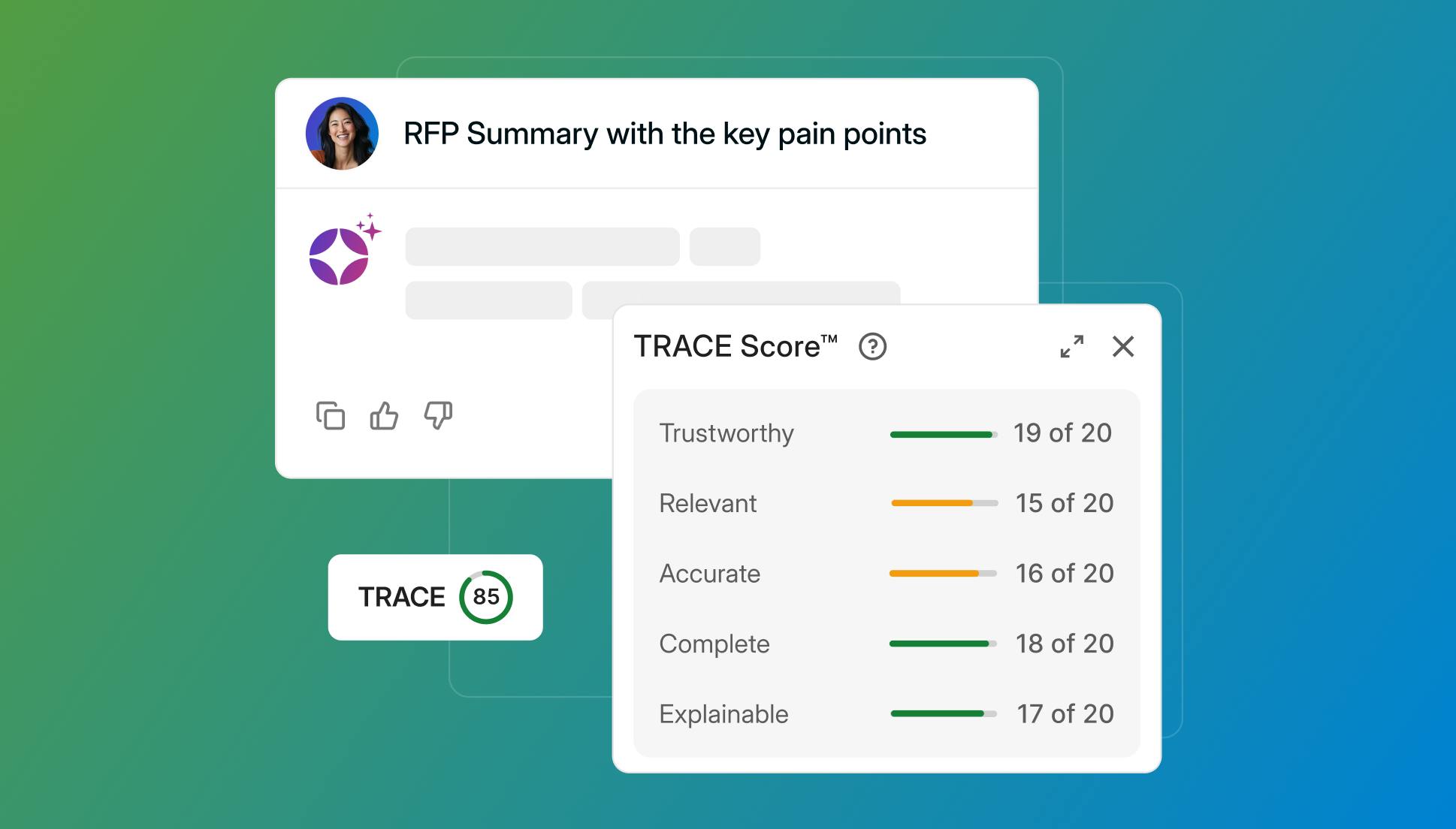
Performance tracking and reliability measures provide the clearest indicators of platform value. Examine the system's accuracy in detecting genuine incidents versus false positives, its ability to provide relevant contextual information, and measurable improvements in response times. Consider compliance requirements and audit capabilities, especially if your organization operates in regulated industries. The platform should provide clear metrics on automation effectiveness and return on investment through reduced manual effort and faster resolution times.

Choosing the right solution for your organization

The AI strategic response market includes specialized solutions tailored to different operational contexts. AIOps-focused platforms excel at IT operations automation, SOAR (Security Orchestration, Automation, and Response) systems specialize in cybersecurity workflows, and Critical Event Management platforms address broader organizational resilience needs. The choice depends on your primary use case and organizational structure.

Careful selection matters because these platforms become deeply integrated into critical operational workflows. A poorly chosen system can introduce new points of failure or create process bottlenecks that actually slow response times. Key questions to guide your evaluation include: Does the platform integrate with your existing monitoring and communication tools? Can it access and effectively use your organization's historical incident data and runbooks? Does it provide clear audit trails and performance metrics? Can you control the level of automation and maintain human oversight where needed? Does the vendor provide clear data governance and privacy commitments, especially if you're using cloud-hosted AI models?

Consider your organization's risk tolerance for automated actions. Some platforms can execute remediation steps automatically, while others focus on recommendations that require human approval. The right balance depends on your industry, regulatory requirements, and operational culture.

The strategic advantage of intelligent response

AI strategic response software transforms incident management from a reactive scramble into a coordinated, evidence-based process. The technology reduces the cognitive load on response teams by filtering noise, providing context, and suggesting proven remediation approaches. Organizations report not just faster response times, but also more consistent outcomes and better post-incident learning.

When evaluating platforms, prioritize integration capabilities and measurable performance improvements over feature complexity. The most successful implementations focus on augmenting human expertise rather than replacing it entirely. Look for systems that provide clear audit trails, maintain human oversight, and deliver demonstrable improvements in response speed and consistency.

Future development will likely emphasize multi-agent orchestration, where specialized AI agents handle different aspects of incident response while coordinating through a central platform. Expect increased regulatory guidance around AI governance in critical operational contexts, making vendor transparency and compliance capabilities increasingly important selection criteria.

FAQs

Q: What is AI strategic response software and how does it work?

A: AI strategic response software is an intelligent automation platform that detects, prioritizes, and coordinates organizational responses to critical events like IT outages, security breaches, or supply chain disruptions. It works by ingesting telemetry from multiple sources—application logs, security alerts, social media feeds, and monitoring systems—then uses AI to correlate signals, identify genuine incidents, filter out noise, and automatically suggest appropriate responders and actions while keeping humans in control of critical decisions.

Q: How does this technology save time and automate routine tasks?

A: The platform automates initial detection and response phases by handling alert correlation, deduplicating notifications, drafting stakeholder communications, and executing predetermined automated actions like scaling infrastructure or isolating compromised systems. Organizations typically see measurable improvements in mean-time-to-detect (MTTD) and mean-time-to-repair (MTTR), along with reduced manual effort spent on routine triage tasks and more standardized response protocols across incidents.

Q: How does AI strategic response software integrate with existing tools and manage data?

A: These platforms operate as an orchestration layer that sits between your monitoring systems and response teams, connecting through REST APIs, webhooks, and native connectors to tools like Slack, ServiceNow, Datadog, and security platforms. They normalize data from different sources and use retrieval-augmented generation (RAG) to combine factual information from runbooks and historical incidents with AI capabilities, maintaining searchable records of past incidents while ensuring seamless workflow integration rather than requiring wholesale process changes.

Q: What are the limitations and where is human oversight still required?

A: While these systems excel at routine triage and pattern recognition, human judgment remains essential for complex scenarios, critical decision-making, and high-risk automated actions. The technology can produce false positives, face model hallucination risks, and requires careful governance around data sovereignty and regulatory compliance. The most successful implementations focus on augmenting human expertise rather than replacing it entirely, with clear escalation paths and human-in-the-loop controls for critical operational decisions.

Q: What should organizations consider when evaluating these platforms?

A: Focus on automation capabilities that enhance rather than replace human expertise, integration depth with your existing toolchain, data management quality including historical incident access, and measurable performance improvements in response times and accuracy. Consider your organization's risk tolerance for automated actions, regulatory requirements, and whether the platform provides clear audit trails and compliance capabilities—prioritizing integration capabilities and demonstrable performance improvements over feature complexity when making your selection.