Understanding AI strategic response system software in 2026

9 min read

Strategic response software represents a critical evolution in organizational decision-making technology, combining artificial intelligence with automated response capabilities to help teams navigate complex, time-sensitive situations. These systems ingest data from multiple sources, analyze patterns and context, generate prioritized recommendations, and execute predefined responses—all while maintaining human oversight for critical decisions. The technology addresses a fundamental challenge facing modern organizations: information overload that slows response times when every second counts. The timing for this technology couldn't be more relevant. Organizations today face an unprecedented volume of alerts, events, and decisions that require rapid, consistent responses. Whether it's a cybersecurity incident, supply chain disruption, or operational crisis, teams struggle to process information quickly enough to respond effectively. Strategic response systems streamline this process by automating routine decisions while escalating complex scenarios to human experts, ensuring both speed and accuracy in critical moments. When evaluating these systems, focus on four key areas: automation capabilities that reduce manual workload, data management that ensures information accessibility, integration patterns that fit your existing workflows, and measurable outcomes that demonstrate clear return on investment. The right system should accelerate your response times while improving consistency and reducing human error.

What strategic response systems accomplish

Strategic response software tackles the "sense-make sense-decide-act" cycle that defines effective organizational responses. The system continuously monitors your environment through data connectors that pull information from security tools, operational systems, communication platforms, and external threat feeds. When events occur, machine learning algorithms and large language models analyze the context, correlate related signals, and determine priority levels based on predefined criteria. The core pain points these systems address include alert fatigue among response teams, inconsistent decision-making across shifts and personnel, delayed responses due to manual triage processes, and difficulty maintaining institutional knowledge as team members change. By automating the initial analysis and response phases, teams can focus their expertise on complex scenarios that truly require human judgment. Modern systems leverage several key technologies working in concert. Natural language processing enables the system to understand and generate human-readable summaries of complex situations. Machine learning models identify patterns and anomalies that might escape manual review. Knowledge graphs maintain relationships between different types of events, assets, and response procedures. Orchestration engines execute predefined playbooks while maintaining audit trails of all actions taken. Security operations centers represent the most mature use case, where analysts use these systems to automatically investigate alerts, gather contextual information, and execute initial containment measures. IT operations teams deploy similar capabilities for infrastructure monitoring and incident response. Enterprise risk management, crisis response, and even strategic planning functions increasingly adopt these tools to handle routine decisions and surface critical insights faster.

How to evaluate strategic response capabilities

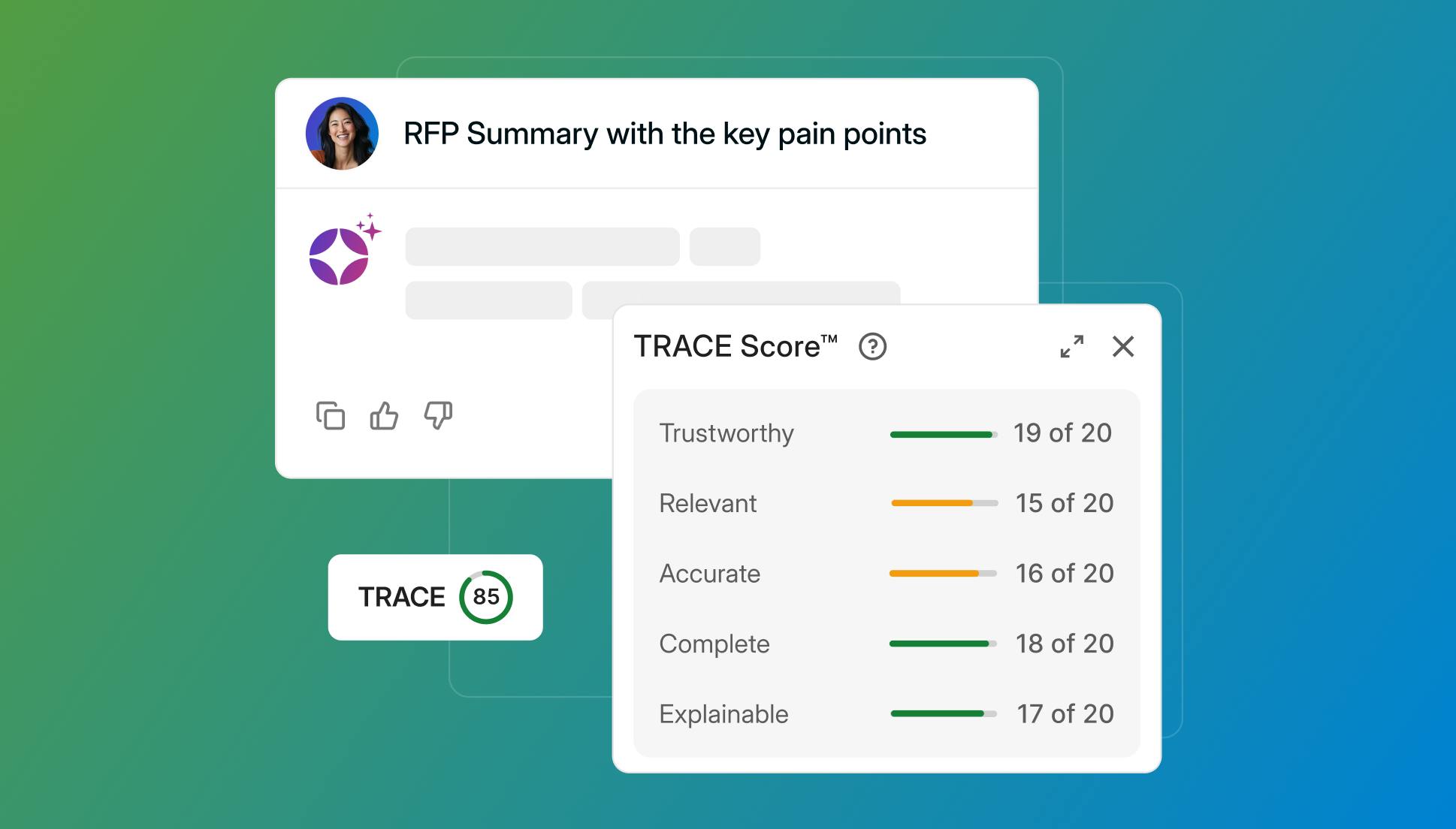
Your evaluation should start with understanding automation potential and collaboration enhancement within your organization. Examine which routine tasks the system can handle autonomously—such as initial alert triage, data gathering from multiple sources, or executing standard response procedures. More importantly, assess how the system improves teamwork by providing consistent information formatting, maintaining shared context across team members, and enabling seamless handoffs between shifts or departments. The system's approach to collaboration should extend beyond task automation. Look for features that enable real-time sharing of analysis results, transparent decision-making processes that team members can review and learn from, and integration with your existing communication tools. The most effective systems create a unified workspace where both automated processes and human expertise contribute to better outcomes. Data organization and accessibility form the foundation of effective strategic response. Your system must ingest information from diverse sources—security tools, business applications, external feeds, and manual inputs—then normalize and correlate this data in ways that reveal meaningful patterns. The system should maintain historical context, enabling trend analysis and learning from past incidents while ensuring that critical information surfaces quickly during active situations. Consider how the system handles data quality issues, manages information from unreliable sources, and maintains performance as data volumes grow. The most sophisticated systems use retrieval-augmented generation to ground their analysis in verified information while clearly indicating confidence levels and data sources for their recommendations. Integration impact determines whether the system becomes a valuable addition to your workflows or creates additional complexity. Evaluate how seamlessly the system connects to your existing security tools, IT infrastructure, and business applications. The system should enhance your current processes rather than requiring you to rebuild them entirely. Look for pre-built connectors to your critical systems and assess the effort required to maintain these integrations as your environment evolves. Results and trust factors separate effective systems from impressive demonstrations. Examine the system's accuracy in real-world scenarios similar to your environment, including its ability to minimize false positives while catching genuine issues. Performance metrics should include response time improvements, consistency of decision-making, and measurable reductions in manual effort. Compliance capabilities matter increasingly as regulations around AI use evolve—ensure the system provides audit trails, explainable decisions, and controls that meet your industry requirements.

What sets the best systems apart

The strategic response market includes vendors ranging from established security platforms to emerging AI-native solutions, making careful selection crucial for long-term success. The most capable systems distinguish themselves through sophisticated reasoning capabilities that go beyond simple rule execution, maintaining context across complex, multi-stage incidents while adapting their responses based on evolving situations. When evaluating vendors, ask these essential questions: How does the system handle scenarios it hasn't seen before? Can it explain its reasoning in terms your team understands? What happens when the system encounters conflicting information or uncertain situations? How quickly can you customize response procedures as your organization's needs evolve? Does the vendor provide clear metrics on system accuracy and performance in environments similar to yours? The answers reveal whether you're considering a simple automation tool or a strategic capability that can grow with your organization's sophistication and requirements.

The path forward for strategic response

Strategic response systems represent a fundamental shift toward augmented decision-making, where human expertise combines with AI capabilities to handle complex organizational challenges more effectively. These systems deliver measurable value through faster response times, more consistent decision-making, and better utilization of skilled personnel who can focus on high-value activities rather than routine triage. The most critical evaluation criteria center on the system's integration capabilities, measurable performance improvements, and ability to maintain trust through transparent, auditable processes. Organizations that carefully assess how these systems fit their specific workflows and compliance requirements position themselves to realize significant operational advantages. Looking ahead, expect continued advancement in natural language interfaces that make these systems more accessible, improved reasoning capabilities that handle increasingly complex scenarios, and stronger integration between strategic response functions across security, operations, and business domains. The organizations that begin evaluating and piloting these capabilities now will be best positioned to leverage these advances as the technology matures.

FAQs

Q: How do strategic response systems work and what are the main benefits they provide?

A: Strategic response systems follow a "sense-make sense-decide-act" cycle, continuously monitoring your environment through data connectors that pull information from security tools, operational systems, and external feeds. When events occur, machine learning algorithms and large language models analyze the context, correlate related signals, and determine priority levels based on predefined criteria. The main benefits include reducing mean-time-to-detect and response, supporting decisions under uncertainty, enabling consistent documented actions at machine speed, and allowing skilled personnel to focus on high-value activities rather than routine triage.

Q: What kinds of tasks can these systems automate and how much time do they save?

A: These systems can automatically handle initial alert triage, data gathering from multiple sources, executing standard response procedures, investigating alerts, and generating human-readable summaries of complex situations. In security operations centers, for example, analysts use these systems to automatically investigate alerts, gather contextual information, and execute initial containment measures. The automation addresses core pain points including alert fatigue among response teams, inconsistent decision-making across shifts, delayed responses due to manual triage processes, and difficulty maintaining institutional knowledge as team members change.

Q: How do strategic response systems integrate with existing tools and manage data from different sources?

A: These systems ingest information from diverse sources including security tools, business applications, external feeds, and manual inputs, then normalize and correlate this data to reveal meaningful patterns. They use data connectors, REST/SDK APIs, and pre-built integrations to connect seamlessly with existing SIEM/TIP/ITSM systems, IT infrastructure, and business applications. The most effective systems use retrieval-augmented generation to ground their analysis in verified information while maintaining historical context for trend analysis and learning from past incidents, ensuring critical information surfaces quickly during active situations.

Q: What are the limitations of these systems and where is human oversight still required?

A: Strategic response systems have important limitations including model "hallucinations" (factual errors), data quality and bias issues, insufficient explainability in some scenarios, and potential automation bias. Human oversight remains essential for complex scenarios that require judgment, high-risk decisions, situations the system hasn't encountered before, and when the system encounters conflicting information or uncertain situations. The most sophisticated systems maintain human-in-the-loop controls, provide explainable decisions with confidence levels and data sources, and clearly escalate complex scenarios to human experts while handling routine decisions autonomously.

Q: What should organizations consider when evaluating strategic response systems?

A: Focus on four key areas: automation capabilities that reduce manual workload, data management that ensures information accessibility, integration patterns that fit existing workflows, and measurable outcomes that demonstrate clear ROI. Evaluate the system's accuracy in real-world scenarios, including its ability to minimize false positives while catching genuine issues. Key questions include: How does the system handle scenarios it hasn't seen before? Can it explain its reasoning clearly? How quickly can you customize response procedures? Performance metrics should include response time improvements, consistency of decision-making, measurable reductions in manual effort, and compliance capabilities with audit trails that meet industry requirements.