Organizations today face an overwhelming volume of signals demanding immediate attention—from security alerts and RFPs to operational disruptions and market opportunities. Traditional response methods often create bottlenecks, inconsistencies, and delayed decisions that can cost millions in lost revenue or expose critical vulnerabilities. AI strategic response tools emerge as a solution to this challenge, combining artificial intelligence with workflow automation to help teams detect, prioritize, and respond to events faster and more consistently than ever before. The timing couldn't be more critical. The surge in generative AI adoption throughout 2023-24 has demonstrated AI's potential to augment human decision-making at scale. Meanwhile, organizations struggle with alert fatigue, knowledge silos, and the growing complexity of multi-system environments. These platforms promise to reduce response times from hours to minutes, scale expert knowledge across teams, and maintain audit trails that satisfy increasingly stringent compliance requirements. When evaluating these solutions, you'll want to focus on four key areas: automation capabilities and collaboration features, data management and content organization, integration with existing workflows, and measurable results backed by trust and compliance factors. The right platform should enhance your team's expertise rather than replace it, providing the speed and consistency you need while maintaining human oversight over critical decisions.
What these platforms actually do
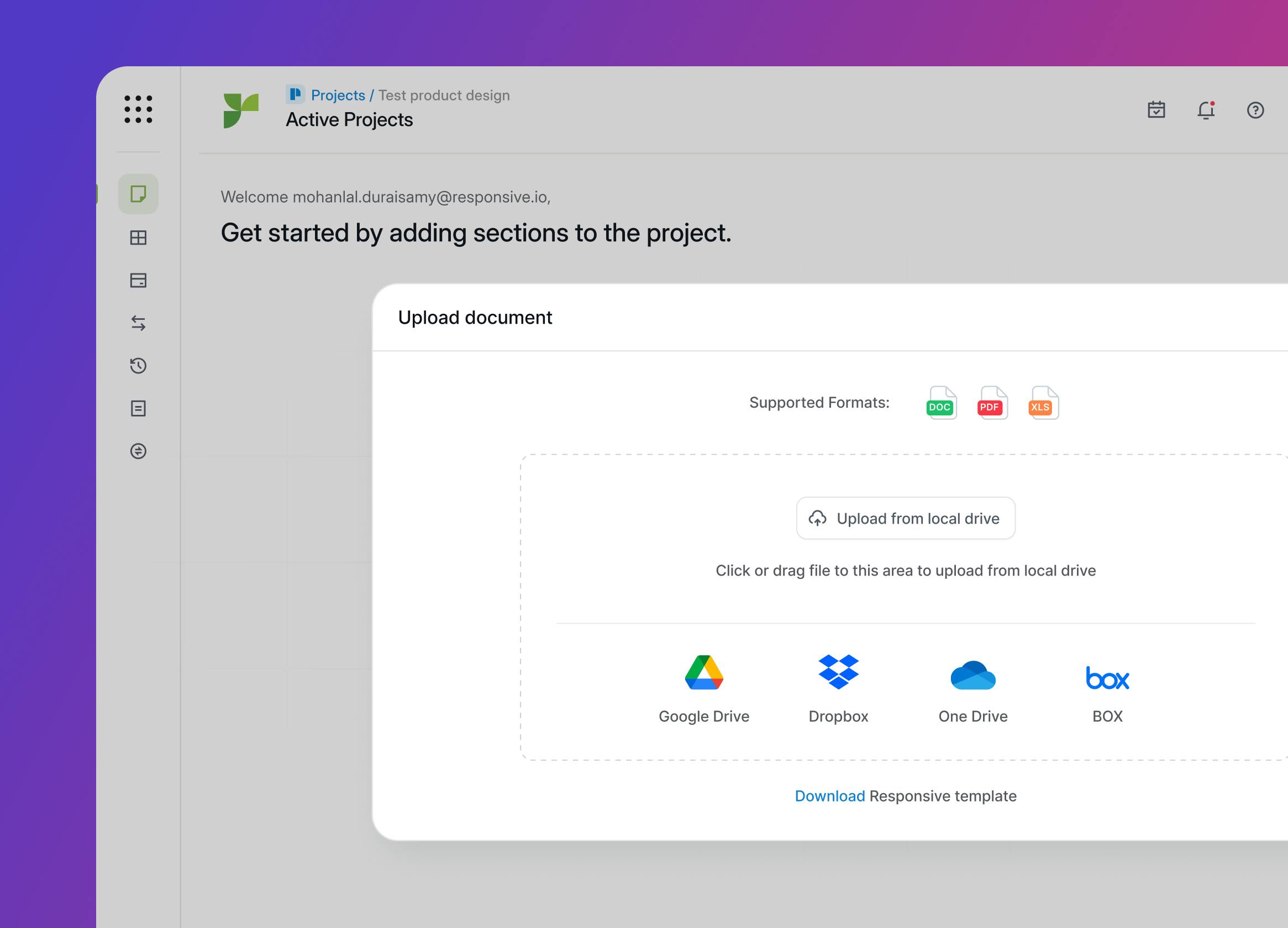
AI strategic response tools function as intelligent orchestrators that bridge the gap between detecting an event and taking action. They continuously monitor multiple data sources—security logs, customer inquiries, market feeds, or operational metrics—then use AI models to analyze, categorize, and recommend responses based on your organization's knowledge base and established procedures. The core technology stack typically centers around large language models for natural language understanding and generation, paired with retrieval-augmented generation (RAG) to ground AI responses in your specific data. Vector databases enable semantic search across documents, enabling the system to find relevant context even when exact keywords don't match. Machine learning algorithms help with pattern recognition and anomaly detection, while orchestration engines execute multi-step workflows across different systems. Common features include automated triage and prioritization, natural language querying of knowledge bases, template-driven response generation, approval workflows with human checkpoints, and integration connectors for popular enterprise systems. These capabilities typically surface through dashboards that show active cases, recommended actions, and performance metrics. You'll find these tools most valuable in security operations centers (SOCs) for incident response, proposal teams handling RFPs and customer inquiries, crisis management for operational disruptions, and decision-intensive processes like supply chain optimization or pricing adjustments. The software works best when you have established procedures that can be encoded into playbooks and sufficient historical data to train the AI components.
Making smart evaluation decisions
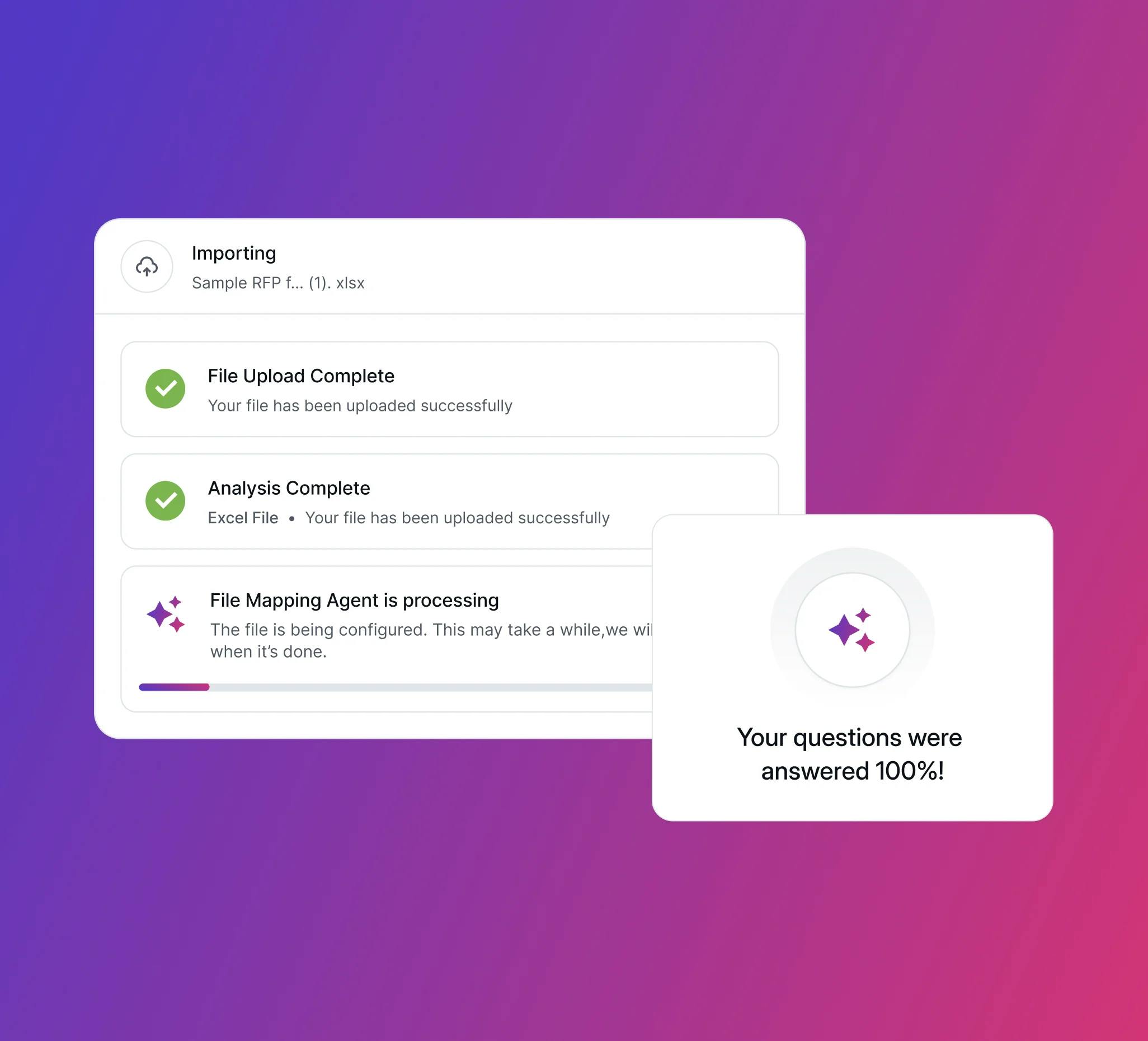
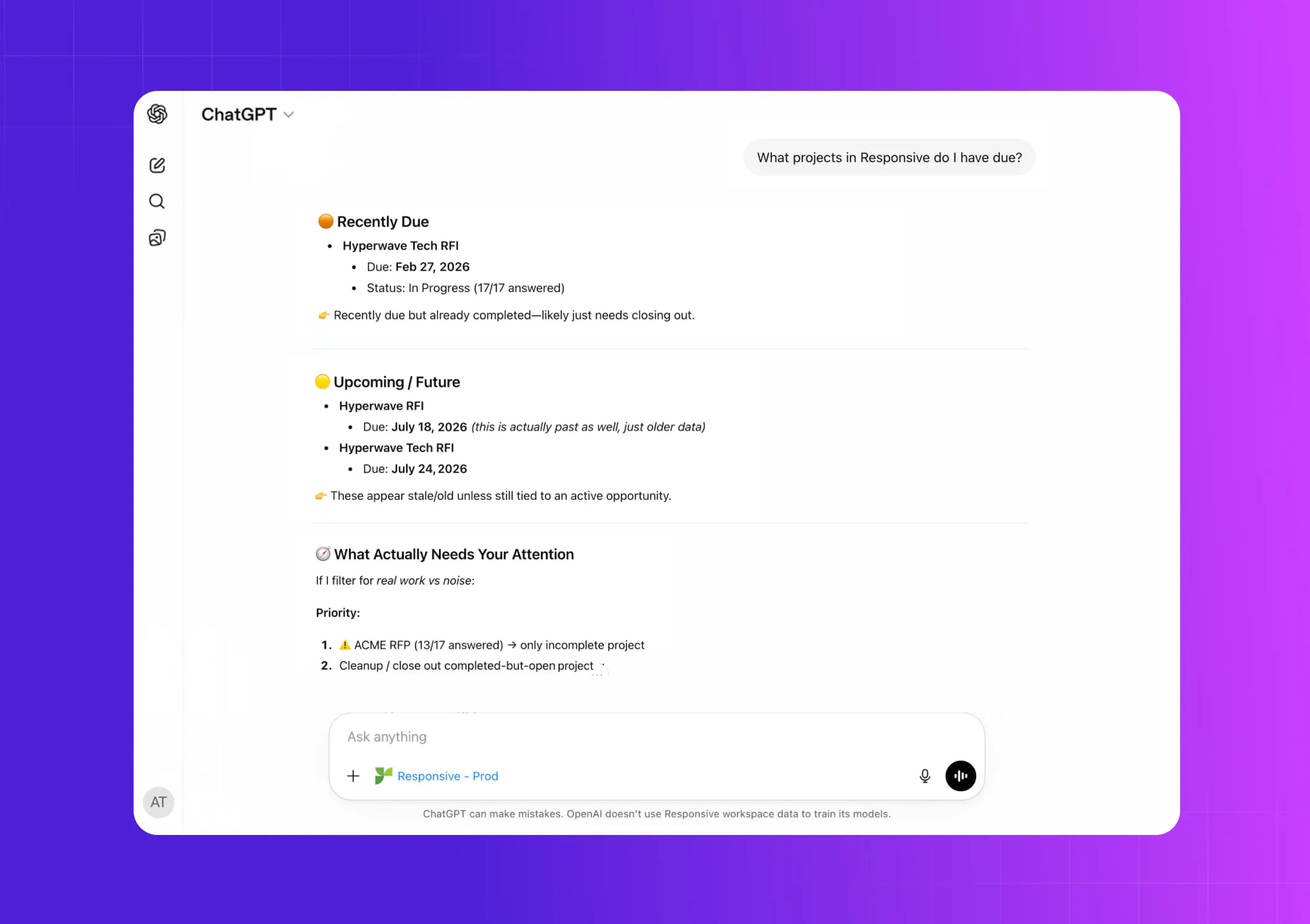
Automation and collaboration capabilities form the foundation of value creation. Look for platforms that can handle your most time-intensive tasks—whether that's triaging security alerts, drafting proposal responses, or coordinating multi-team crisis responses. The system should enhance collaboration by providing shared visibility into cases, enabling knowledge sharing across teams, and maintaining context as cases move between different specialists. Evaluate how well the platform balances automation with human oversight, ensuring critical decisions remain under human control while routine tasks run automatically. Data and content management capabilities determine how effectively the platform can leverage your organization's knowledge. The system needs robust document ingestion, semantic search that understands context and intent, and version control for templates and procedures. Content organization matters because poorly structured knowledge bases lead to inconsistent responses and missed insights. Look for platforms that can handle multiple content types, maintain data lineage for compliance, and provide easy content updates without requiring technical expertise. Integration impact often determines success or failure in enterprise deployments. The platform should connect seamlessly with your existing security tools, CRM systems, communication platforms, and approval workflows. Rather than replacing your current systems, it should orchestrate them more effectively. Evaluate API availability, pre-built connectors for popular platforms, and the flexibility to customize integrations as your environment evolves. Results and trust factors encompass the measurable outcomes and compliance requirements that justify investment. Look for platforms that provide clear performance metrics—response time reduction, accuracy improvements, cost savings, and team productivity gains. Trust factors include explainable AI recommendations, audit trails for compliance, data security controls, and the ability to measure and improve outcomes over time. The platform should reduce risks rather than create new ones, with appropriate safeguards against AI hallucination and unauthorized access.
What sets the best solutions apart
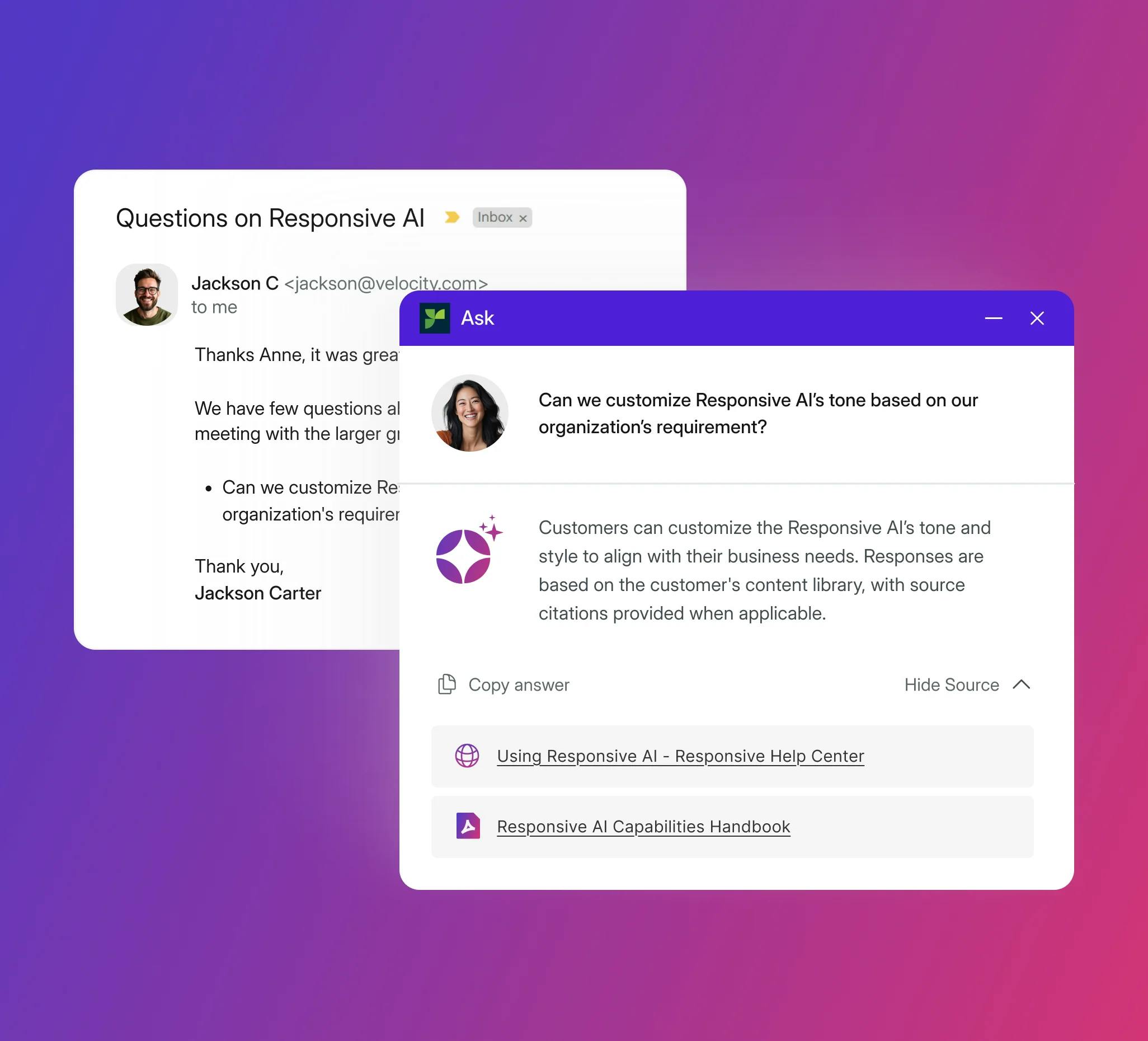
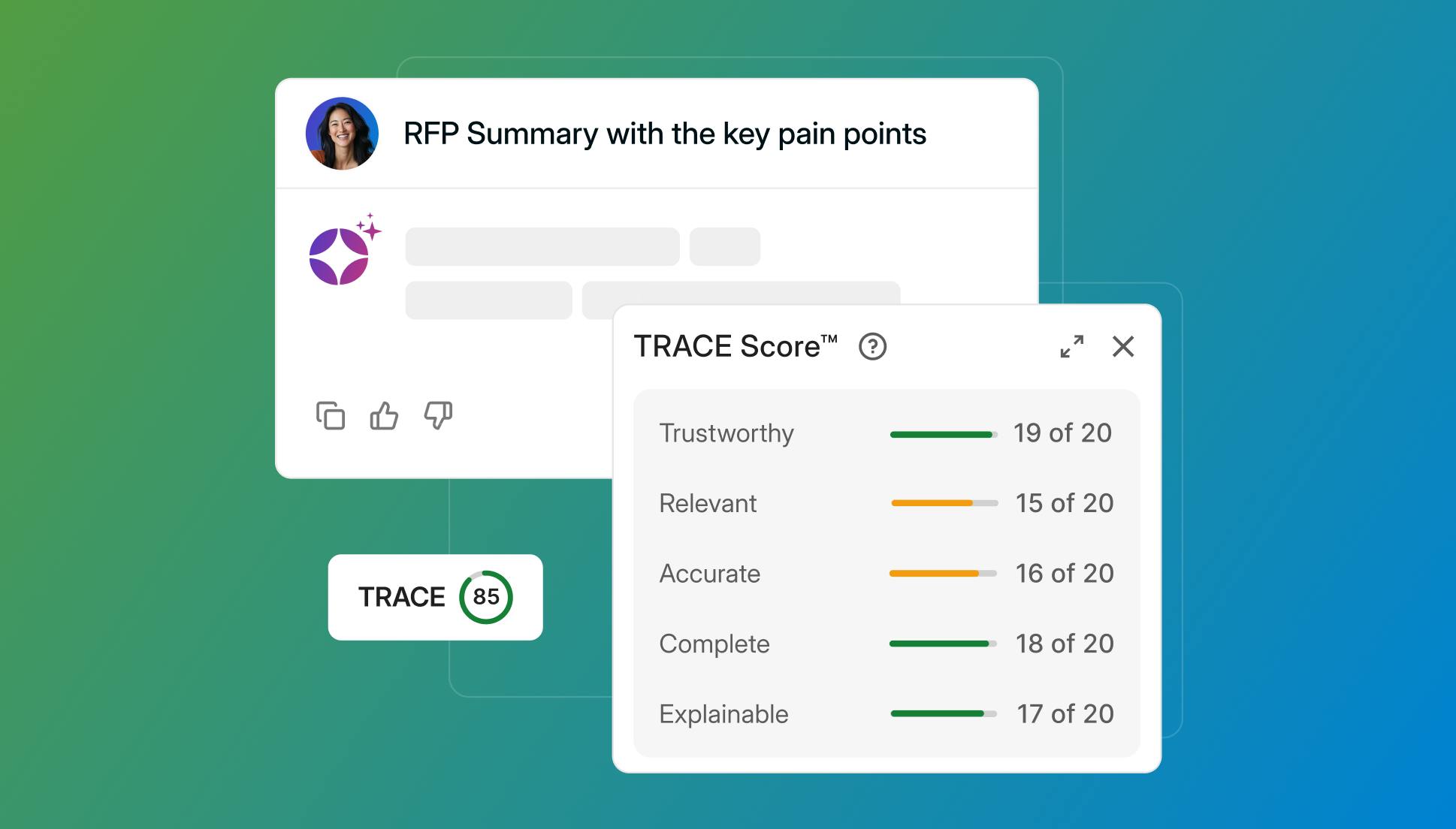
The strategic response tool market spans multiple product categories that have evolved separately—security orchestration (SOAR), critical event management (CEM), decision intelligence, and strategic response management (SRM). This convergence creates both opportunities and confusion, making careful vendor selection essential for long-term success. Leading platforms distinguish themselves through forensic grounding—the ability to trace every AI recommendation back to specific source documents and reasoning steps. This transparency proves crucial for compliance audits and building team confidence in AI-assisted decisions. The best solutions also provide sophisticated human-in-the-loop controls, allowing teams to customize automation levels and maintain oversight where judgment matters most. As you evaluate vendors, consider these essential questions: Can the platform explain its recommendations with specific citations? How does it handle conflicting information or incomplete data? What safeguards prevent AI hallucination from creating compliance risks? How quickly can you modify procedures as your business evolates? Does the vendor provide measurable ROI within your first year of deployment? The answers will reveal whether a platform can evolve with your needs or become a rigid constraint on your operations.
The path forward
AI strategic response tools represent a fundamental shift from reactive to proactive organizational decision-making. They enable teams to respond faster, more consistently, and with better outcomes while maintaining the human judgment essential for complex decisions. The technology has matured beyond experimental stages into production-ready platforms that deliver measurable business value. Focus your evaluation on platforms that demonstrate clear automation capabilities, robust data management, seamless integration potential, and verifiable results with strong trust factors. The most successful deployments balance AI capabilities with human expertise, creating hybrid workflows that amplify rather than replace human judgment. Looking ahead, expect continued evolution toward more sophisticated agent frameworks, tighter integration between on-premise and cloud deployments, and enhanced compliance features addressing emerging AI regulations. Organizations that establish AI strategic response capabilities now position themselves to adapt quickly as both threats and opportunities accelerate. The question isn't whether you need these tools—it's which platform will best serve your specific operational requirements and strategic objectives.
FAQs
Q: How do AI strategic response tools actually work and what benefits do they provide?
A: AI strategic response tools function as intelligent orchestrators that continuously monitor multiple data sources—security logs, customer inquiries, market feeds, or operational metrics—then use AI models to analyze, categorize, and recommend responses based on your organization's knowledge base and established procedures. They combine large language models for natural language understanding with retrieval-augmented generation (RAG) to ground AI responses in your specific data, enabling semantic search across documents and automated triage. The primary benefits include reducing response times from hours to minutes, scaling expert knowledge across teams, maintaining consistency in decisions, and providing audit trails for compliance requirements.
Q: What tasks can these platforms automate and how much time do they save?
A: These platforms excel at automating time-intensive tasks like triaging security alerts in SOCs, drafting proposal responses for RFPs, coordinating multi-team crisis responses, and handling routine customer inquiries. For example, security operations can see significant reductions in mean time to response (MTTR), while proposal teams can automatically generate compliant answers using RAG to surface approved responses from knowledge bases. The platforms work best on established procedures that can be encoded into playbooks, with many organizations reporting response time improvements from hours to minutes while maintaining human oversight for critical decisions.
Q: How well do these tools integrate with existing systems and manage organizational data?
A: Leading platforms provide seamless integration with existing security tools, CRM systems, communication platforms, and approval workflows through robust APIs and pre-built connectors for popular enterprise systems. Rather than replacing current systems, they orchestrate them more effectively. For data management, they offer sophisticated document ingestion, semantic search that understands context and intent, version control for templates and procedures, and the ability to handle multiple content types while maintaining data lineage for compliance. The best solutions include vector databases for semantic search and maintain proper data security controls with encryption and access management.
Q: What are the limitations of these platforms and where is human oversight still required?
A: While these platforms provide significant automation capabilities, human judgment remains essential for complex decisions, handling conflicting information, and situations requiring contextual understanding beyond the training data. Common limitations include potential AI hallucination or factual errors, prompt-injection vulnerabilities, and the need for high-quality, well-structured data to function effectively. The best platforms provide sophisticated human-in-the-loop controls, allowing teams to customize automation levels and maintain oversight checkpoints. Critical decisions should always remain under human control, with the AI serving to augment rather than replace human expertise and providing explainable recommendations with clear source citations.
Q: What should organizations evaluate when selecting an AI strategic response platform?
A: Focus on four key evaluation areas: automation capabilities and collaboration features that can handle your most time-intensive tasks while enhancing team coordination; data and content management capabilities including robust document ingestion, semantic search, and easy content updates; integration potential with seamless connections to existing systems through APIs and pre-built connectors; and measurable results backed by trust factors like explainable AI recommendations, audit trails, data security controls, and clear performance metrics. Look for platforms that provide forensic grounding—the ability to trace every AI recommendation back to specific source documents—and can demonstrate measurable ROI including response time reduction, accuracy improvements, and productivity gains within the first year of deployment.