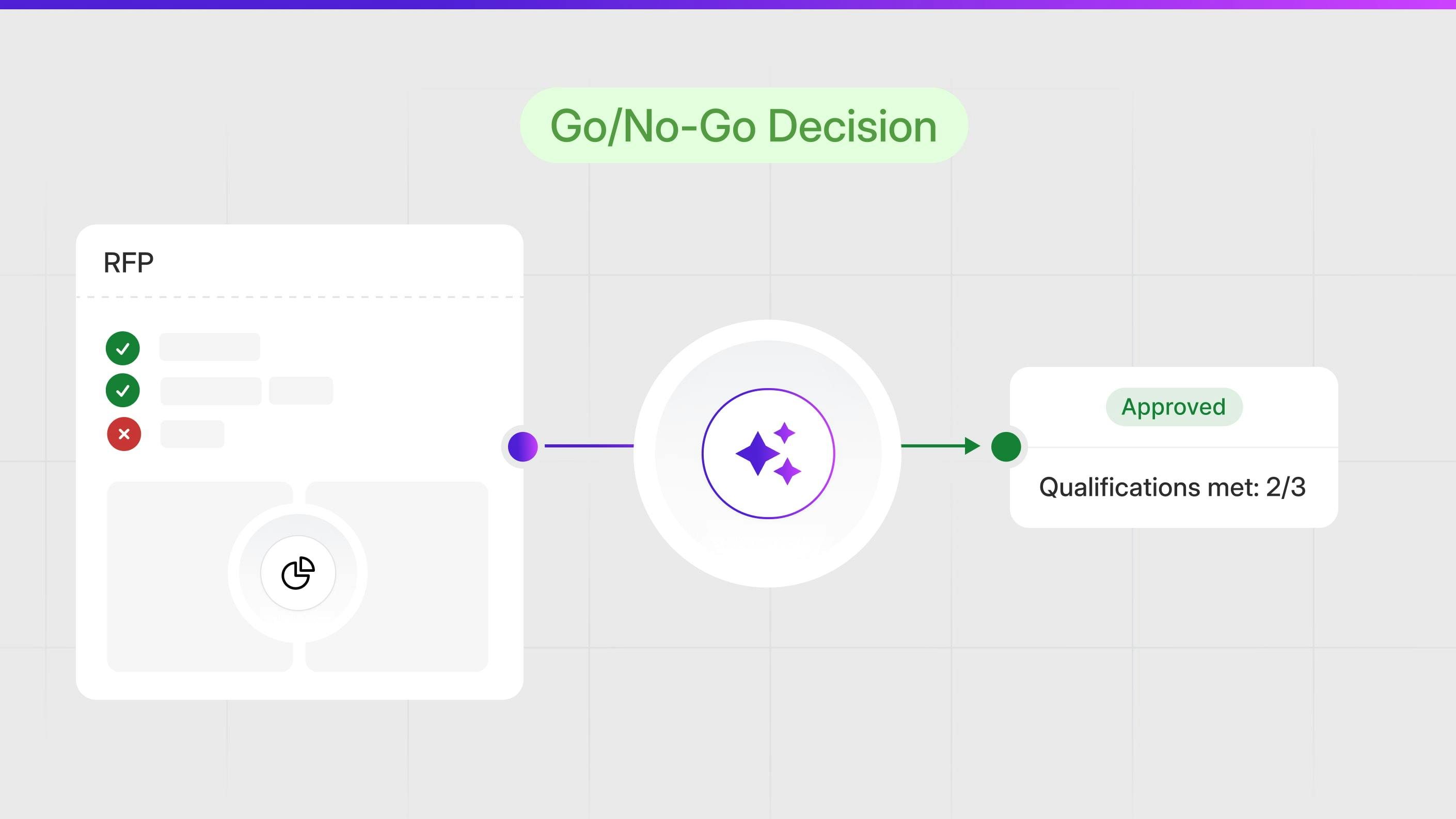
In most organizations, the go/no-go decision (also called a pursuit decision) is not made by a single individual but rather through a collaborative process involving multiple stakeholders. Key stakeholders to involve include the business development team, sales representatives, proposal management, and subject matter experts, each bringing unique expertise and responsibilities to help thoroughly assess potential projects or proposals.
Some organizations employ a committee approach where senior managers with technical expertise and responsibility for specific areas meet regularly to make go/no-go decisions. This structure allows multiple perspectives to be considered before committing resources to an RFP response.
Who should be at the table?
The most effective go/no-go decisions involve representatives from several key departments:
Business development teams play an essential role in identifying and pursuing opportunities that align with the company's objectives and growth strategies. They typically provide market intelligence and strategic context for each opportunity.
Sales teams bring customer relationship insights and can assess whether an opportunity fits within existing client relationships or represents a genuine new-business prospect.
Operations and service delivery personnel must be included to ensure the company can actually deliver what's being promised. A common problem occurs when sales teams say "let's go for it," but operations teams don't have enough staff or the capability to deliver the services if they win.
Proposal teams, data analysis, or solutions engineering often drive the RFP completion process and need to assess the feasibility of meeting submission requirements and deadlines.
Executive leadership typically has final sign-off authority, especially for high-value or strategic opportunities that may require significant resource investment.
The rise of AI-powered decision support
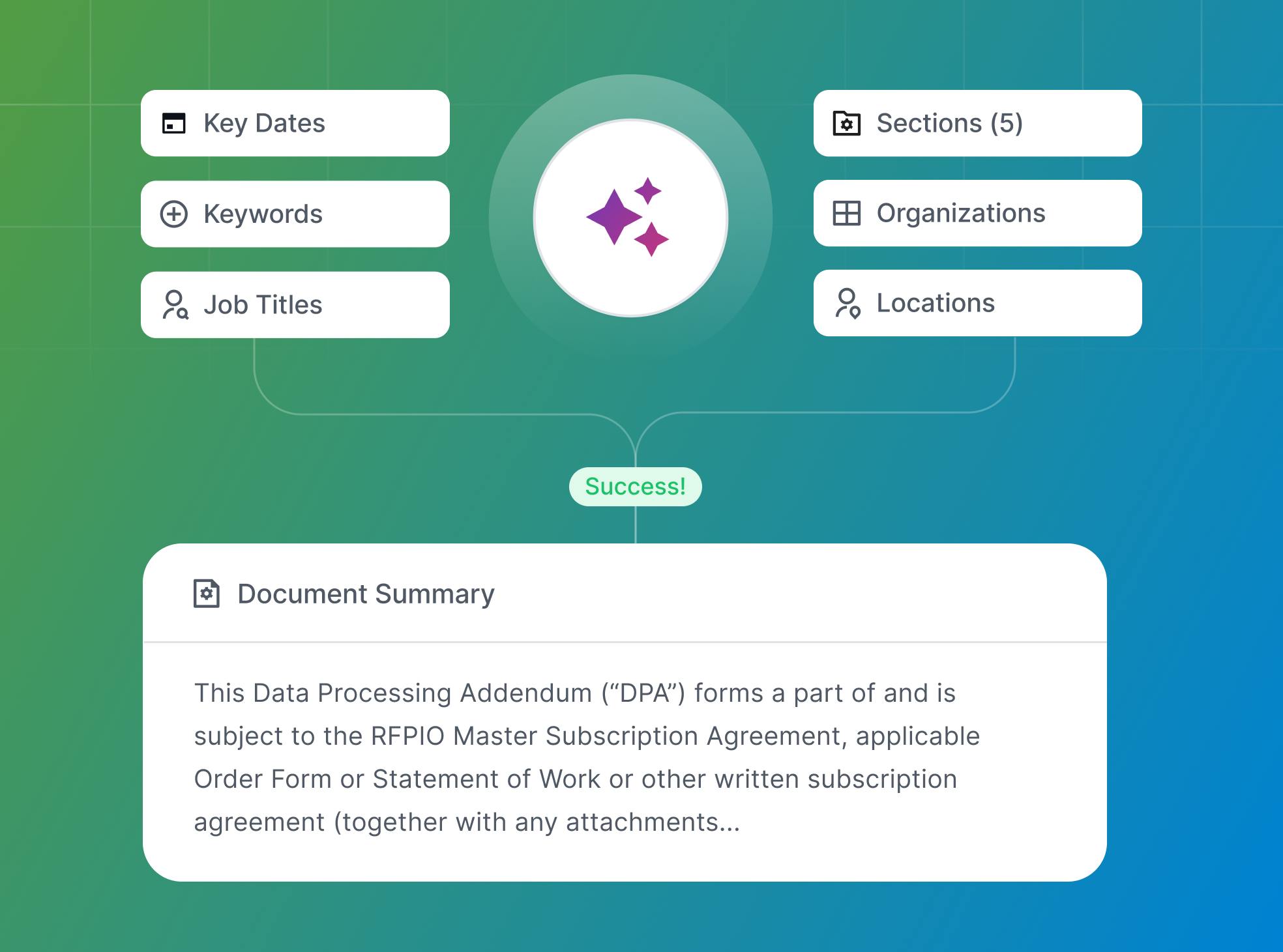
Technology is transforming how organizations make pursuit decisions. Modern strategic response management platforms use AI-powered requirements analysis tools to analyze complex and narrative RFPs. These tools condense hundreds of pages into concise summaries and extract key requirements into tables to support fast, data-driven go/no-go decisions.
AI-powered document analysis tools can analyze requests with extensive requirements and provide rapid support for go/no-go decisions. This capability reduces the time required for initial assessment and improves decision quality through data-driven insights.
These platforms help teams save time and resources by only pursuing opportunities they're most likely to win, rather than responding to every RFP that crosses their desk.
Creating a structured decision process
The best go/no-go decision processes have a clear, documented process that everybody can reference. This consistency reduces the time spent debating whether to pursue each opportunity. Organizations can develop comprehensive bid/no-bid frameworks that include scoring criteria, checklists, and decision matrices tailored to their specific needs.
Organizations should develop scoring criteria that address several key categories:
- Capability and compliance assessment: Can the organization meet the mandatory requirements and provide the sought solution? Would the solution meet the compliance standards established and enforced by the organization?
- Financial considerations: Is proper corporate approval secured? Is the company financially able to pursue the opportunity and execute deliverables if they win?
- Experience and credibility: Does the company have relevant work experience? Is there a good relationship with the issuer?
- Competitive position: Is the company competitive in price, quality, and schedule? Is the issuer happy or unhappy with the current provider?
The importance of speed in decision-making
RFPs generally have tight deadlines, so proposal teams must deliver high-quality content quickly and tailor it to the prospect's specific needs to generate winning bids. A quick decision for pursuit is necessary for proposal development to be of the highest quality.
Companies without a pursuit decision process often spin in circles trying to make a final decision, and by the time they do, it may be too late. With the deadline fast approaching, crafting a winning proposal becomes difficult.
The role of leadership alignment
While the decision often rests with one manager or principal, it makes good sense to work toward developing consensus on a go/no-go decision among all involved stakeholders. This collaborative approach reduces internal conflict and secures buy-in from all teams affected by the decision.
Leadership must also establish clear escalation paths for exceptions. Business goals may trump other criteria if they're a strong enough priority to win a specific client, but such escalations should be rare and require executive buy-in.
Strategic considerations beyond capability
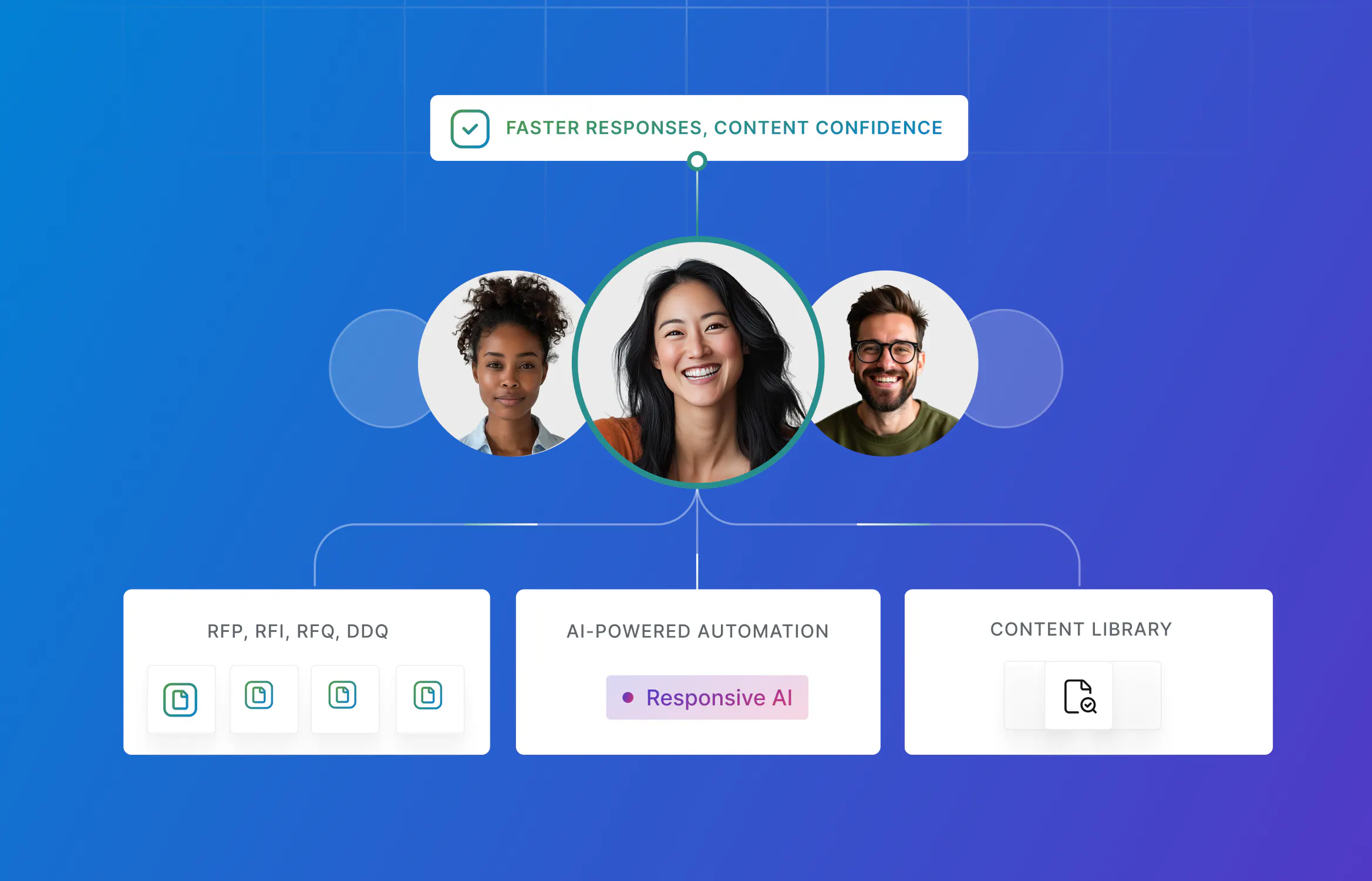
Executive leadership teams making these decisions need to think strategically about whether the company can actually deliver the services being requested at the level they want to provide them. This goes beyond simply having the technical capability. It's about whether the opportunity aligns with the company's brand positioning and service standards.
Organizations must also consider whether the prospective client values outside services and would be a good long-term partnership fit. Pursuing every RFP without these considerations can lead to resource depletion, team burnout, and damage to the company's reputation through non-winning proposals.
Using data and insights
Modern response management platforms provide business intelligence and analytics to track revenue, win rates, and emerging trends and opportunities. Companies can use historical data about similar opportunities, win rates by industry or client type, and resource utilization metrics to inform their go/no-go decisions.
This data-driven approach helps organizations move beyond gut feelings and emotional reactions to make more objective, strategic choices about which opportunities to pursue.
Conclusion
The go/no-go decision on RFPs should never be made in a vacuum or by a single individual. The most successful organizations create a structured, collaborative process that brings together business development, sales, operations, proposal teams, and executive leadership to evaluate each opportunity against clear criteria.
With the right mix of human expertise and AI-powered proposal management tools, companies can make faster, more informed decisions that improve win rates while protecting valuable resources from being wasted on low-probability opportunities. The key is having a straightforward process, the right stakeholders at the table, and the discipline to say "no" when an opportunity doesn't align with strategic objectives, no matter how tempting it may appear.

Andrew Martin
Content Marketing Manager @ Responsive
Andrew Martin covers AI adoption, RFP strategy, and proposal management at Responsive, drawing on insights from Responsive's 2,000+ enterprise customer base and original research.