Those who work on proposals, security questionnaires, or due diligence already feel the industry's increasing pressure. Requests stack up, content lives everywhere, and subject matter experts (SMEs) are on three deadlines before lunch.
That is why our recent conversation with CAPTRUST’s Megan Cutter (Manager of the RFP Knowledge Management team) on The Responsive Podcast has resonated with so many people in similar roles. Megan describes how CAPTRUST’s unique operating model replaces scramble with structure and speed with quality. The playbook is simple, and it works at scale.
CAPTRUST’s winning SRM playbook
Megan leads the RFP Knowledge Management team at CAPTRUST. Her group supports a complex pursuit engine in financial services, and the scope touches 15 internal teams and more than 70 subject matter experts.
“Our RFP team has two different functions,” she said. “One is the execution team. On the knowledge management side, we are behind the scenes.”
The team’s behind-the-scenes work includes registering for and investigating web-based RFP portals, coordinating SMEs, and keeping content current. The journey started as a one-person model, with content scattered in spreadsheets. CAPTRUST moved that material into a shared library, then layered in ownership and review.
Megan said her team used Excel to keep all their content in one place, but it could not keep up with the rate of updates. The team evaluated new technologies and developed more effective methods to keep content clean. The result was a two-track system.
Proposal managers run production. Megan’s RFP Knowledge Management team runs the content and SME coordination. Critically, CAPTRUST also provides a single point of contact for SMEs. Each team member manages relationships with unique SMEs, which Megan said has helped collaboration with these vital partners.
Matching AI output with quality human review
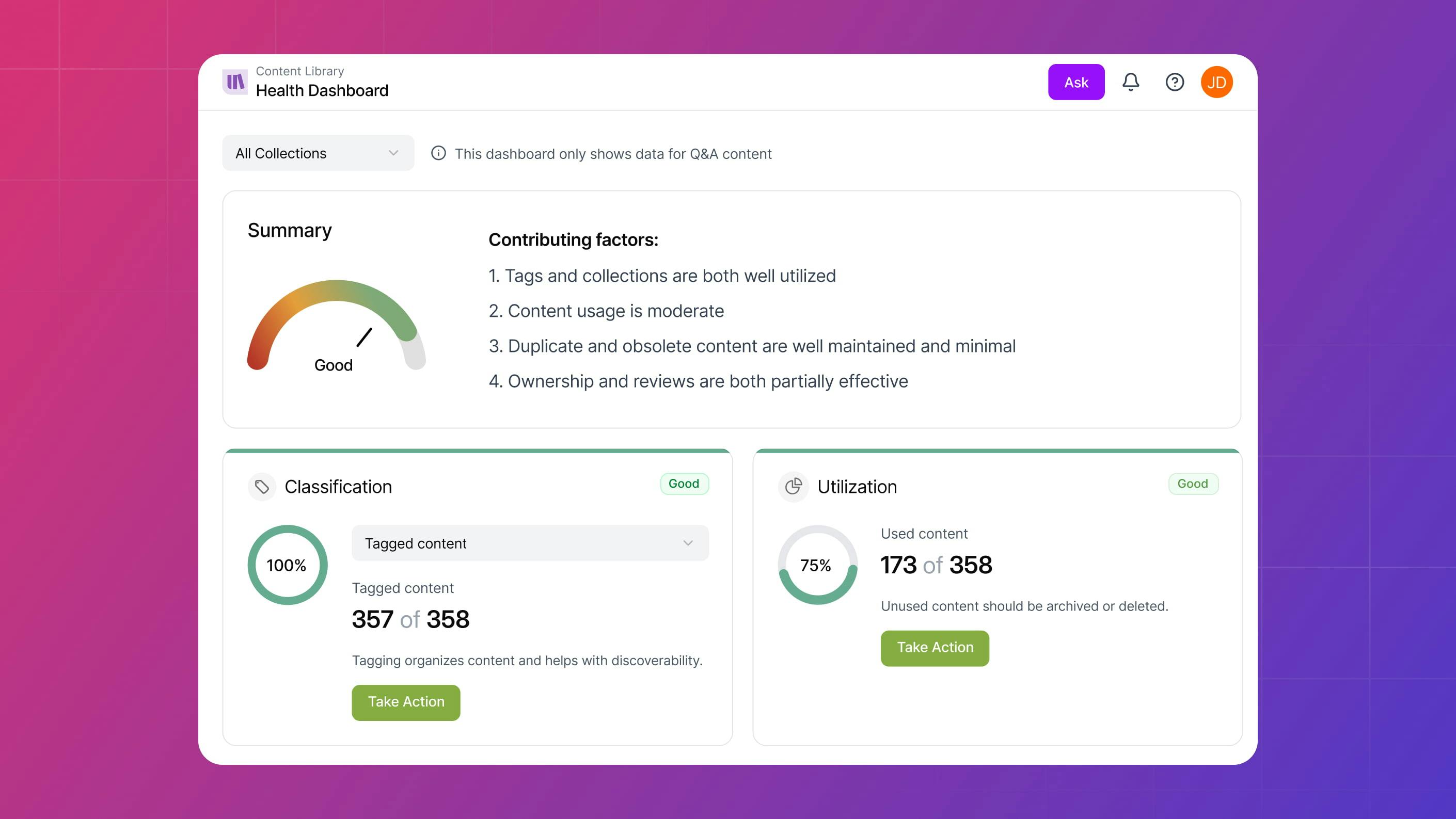
The shift away from spreadsheets to CAPTRUST’s two-track system was about more than just convenience. It helped Megan and her team make responses better at scale.
However, the adoption wasn’t quite the smoothest of processes as Megan’s team uploaded two years' worth of content and then realized that some of it contained names, outdated details, or copy that didn't belong in the current context. A simple mistake that ultimately led to knowledge hygiene becoming a team-wide discipline. In time, the library blossomed with trusted, verified content that was regularly checked for accuracy and clear ownership rules applied.
“Whatever content you put into it, that’s what you’re going to receive out of it,” Megan said. The same is true for content creation, too. Megan’s team uses AI to draft and assemble answers, but ensures humans are looped in for review on every output.
“We’re going to be standing up this process of how do we integrate the AI aspect, but with that human overlay to ensure the content that we produce is approved by any subject matter experts,” Megan said.
Equally important is determining which content should remain static. This is most relevant to industries like financial services and data security, where answers to security policies and integration requirements must be copied verbatim from well-maintained knowledge management systems to ensure accuracy and compliance.
Megan’s description of this two-track system is clear. AI helps drafters and SMEs move faster and provides a starting point. People still own the voice, the judgment, and the approval.
“AI can help lift up our subject matter expert team,” Megan said, and the work now includes deciding which responses need to remain static and how to apply AI effectively.
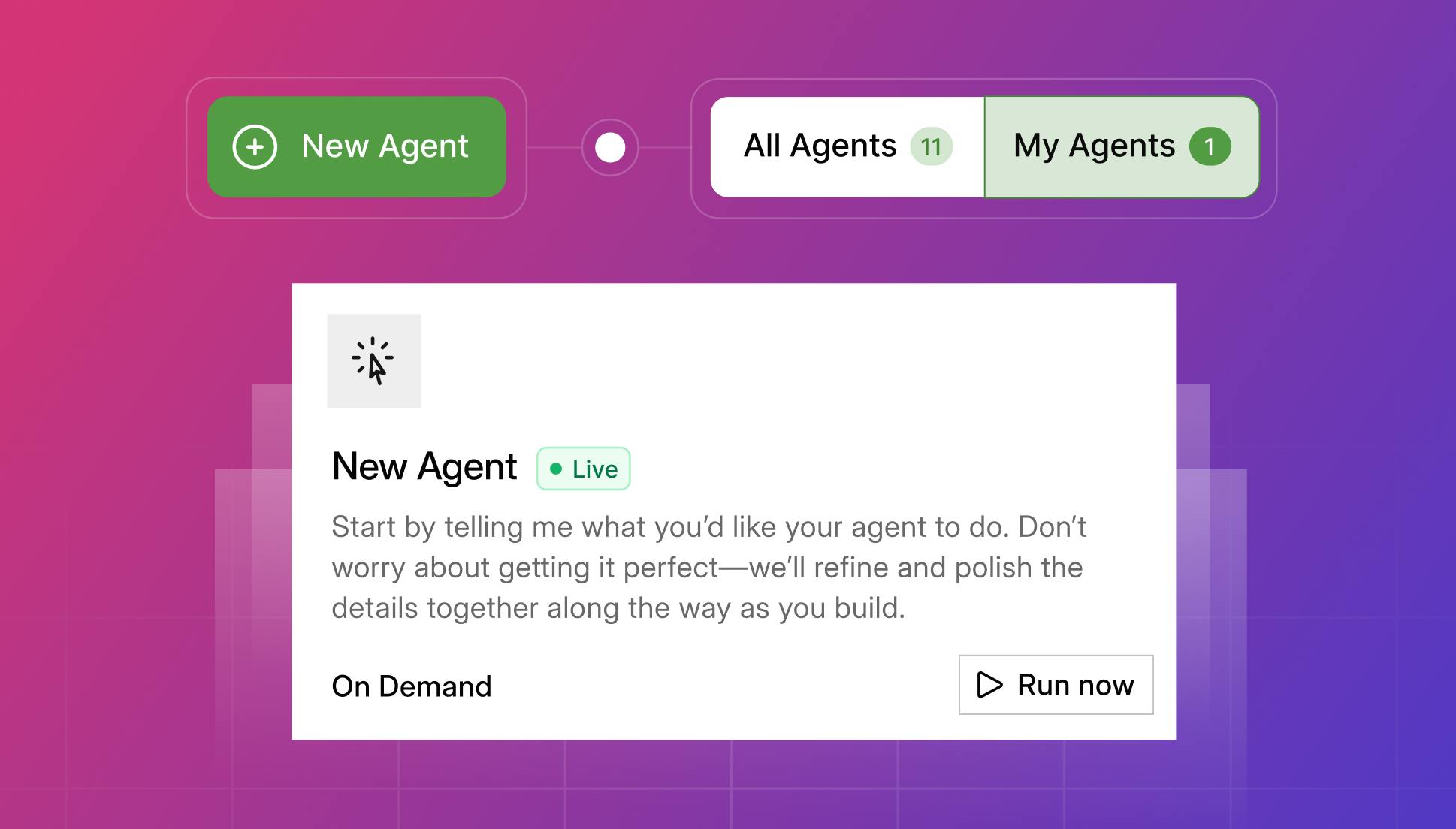
As AI continues to mature, especially with agentic technologies, teams will increasingly rely on agents to independently execute multi-step tasks. For example, answering agents can retrieve and draft from curated content, a content cleanup agent can help keep knowledge fresh, and a workflow agent could route reviews to the right SMEs. With tools like Responsive Agent Studio – which allows you to create agents in a no-code environment with natural language prompts — the possibilities are broad.
However, even with automation, the real advantage will remain in human-AI collaboration. Teams offload their repetitive work to AI so they can spend more time working on what matters most: strategic work and storytelling, which both serve as key differentiators in winning deals.
AI's prevalence has also led to a shift in skills. Proposal professionals become facilitators who orchestrate prompts, agents, and reviews. They balance legal precision with persuasive storytelling. The job is still about winning, but the tools and methods change.
SME collaboration handled by a single coordinator
Many proposal teams today still struggle with the simple, day-to-day realities of drafting responses under increasingly tight deadlines, meeting rising buyer expectations, and doing more with fewer resources. While CAPTRUST shared these challenges and concerns, Megan raised another issue the team had that’s common across teams of all sizes: finding time to coordinate a growing team of SMEs effectively.
CAPTRUST addressed this specific challenge by making it a named role. A single SME coordinator communicates with SMEs across more than 15 teams and interacts with more than 70 SMEs in total. This SME coordinator understands volume and preferred communication methods, and the coordinator explains the work's value in terms of revenue.
“Having one point of contact really helped the SMEs create a successful plan to respond on time.”
Megan Cutter
RFP Knowledge Management team at CAPTRUST
CAPTRUST’s three-step playbook for success
Three moves drove CAPTRUST’s progress:
- First, they centralized knowledge.
- Second, they created a coordinator role that provides SMEs with a single point of contact.
- Third, they paired AI drafting with human review and a plan for static content. This last piece matters more as volume and scrutiny rise.
“I’m really excited about implementing some of these new aspects," Megan said. "What content needs to remain static, and how do we hold that in its foundational element, and then how do we overlay the AI aspects in an effective manner.”
CAPTRUST’s structure also strengthens collaboration with adjacent groups. Knowledge management partners with brand marketing to pull approved language into proposals. They manage registration for web-based RFP portals, so production never stalls due to account setup. They keep the repository clean, so the first draft is closer to the final one.
CAPTRUST's checklist for SRM success you can use
Based on CAPTRUST’s success and the Responsive Podcast episode with Megan, we prepared a short checklist that any proposal team or strategic response team can follow.
- Create a single intake channel for requests.
- Make ownership visible across drafters and SMEs.
- Stand up a shared library with categories mirrored to how buyers ask.
- Assign owners, set validation cadences, and include usage reporting.
- Launch AI drafting for sections with strong coverage, and route everything for review.
- Capture every edit back into your content library.
- Track library health, response efficiency, and revenue impact.
- Share progress early, and keep the feedback loop tight with SMEs and sales.
- Write a brief, public description of your safeguards. Explain how AI is used, how content gets reviewed, and how sensitive data is protected. The market expects this.
CAPTRUST’s playbook has paved the way to growth
CAPTRUST’s human-in-the-loop AI is both practical and repeatable. Start with an up-to-date content library and establish clear roles and knowledge ownership. Then hire an SME coordinator who serves as a point of contact for your SME team. Finally, use AI to draft, but ensure that humans always have final review before each document goes out the door.
“We’re moving to a process where AI gives a lift, and the human overlay keeps the standard high,” Megan said. This simple two-track process has worked wonders for CAPTRUST so far, and the same success in scaling complex work has been achieved with other teams and across various industries through human-AI collaboration.
- Microsoft built a proposal resource library inside Responsive with more than 20,000 resources and made it accessible company-wide through SSO. AI has made it quick and easy for all users to find answers, saving an average of 30 minutes per question.
- Netsmart accelerated response time by 10x and submitted 67% more proposals. Adoption soared as the library matured and AI assistance reduced search time per answer. Notably, all of these gains came without adding headcount.
- JAGGAER reports a 15x ROI and a 50% reduction in time spent updating content with Responsive AI. A double-digit win rate increase followed. The JAGGAER team highlights the impact of AI on content maintenance and answer quality.
These three stories call back to CAPTRUST’s success through similarities in a shared content library, clear ownership for each role, and AI-human collaboration and review.
If you're interested in learning more about CAPTRUST’s success and additional steps you can take that were not covered in this blog, be sure to check out the Responsive Podcast episode with Megan. Megan details additional challenges CAPTRUST faced with centralized knowledge, SME coordination, and establishing AI-human collaboration, and how CAPTRUST solved each issue.

Andrew Martin
Content Marketing Manager @ Responsive
Andrew Martin covers AI adoption, RFP strategy, and proposal management at Responsive, drawing on insights from Responsive's 2,000+ enterprise customer base and original research.