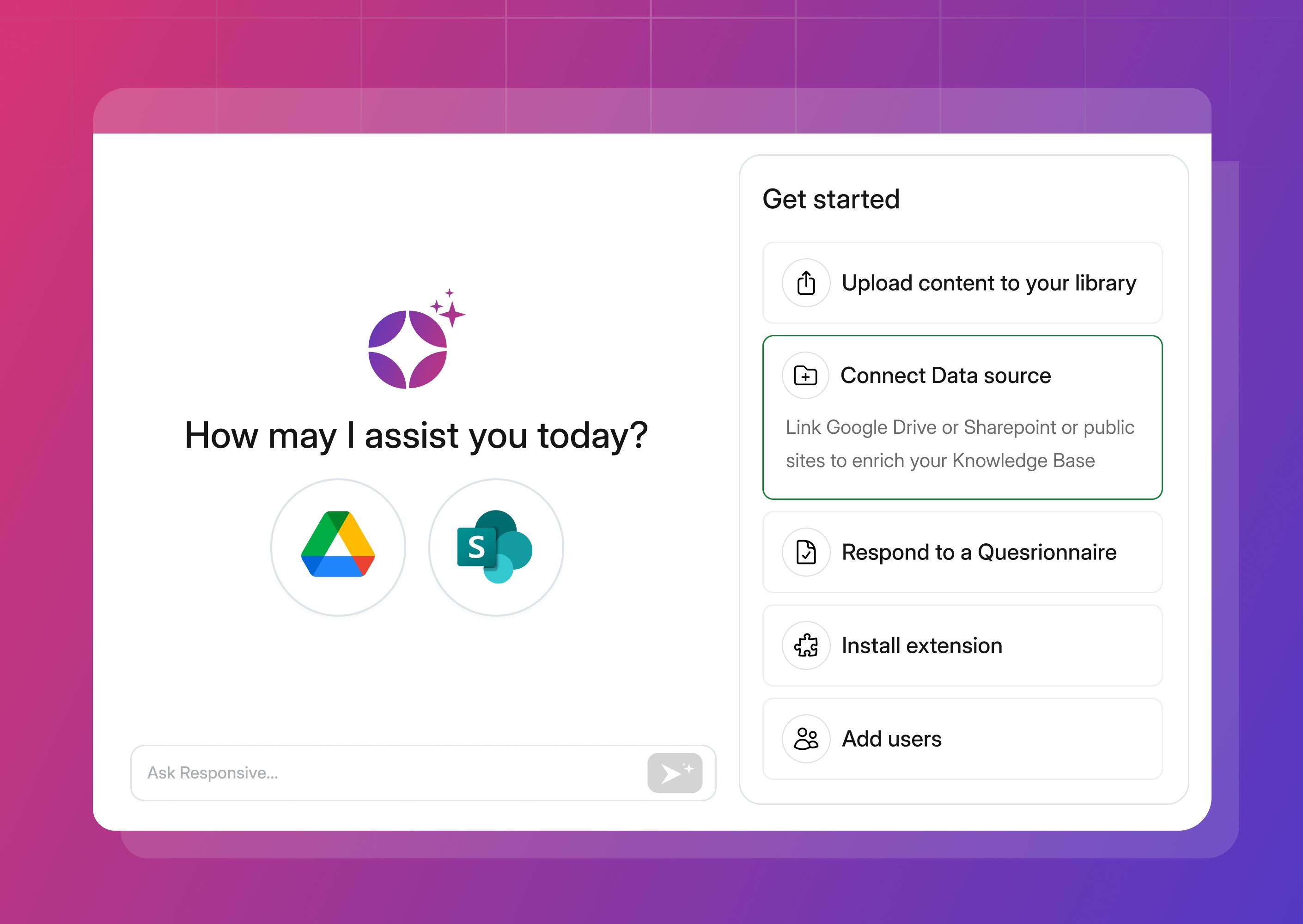
Sales teams are operating in an environment where buyers expect answers almost instantly. At the same time, sales information such as product details, security data, and customer proof points often exists across multiple channels, creating pressure to respond quickly and accurately. While teams can usually manage in the short term by piecing information together from different sources, this approach is not sustainable or efficient as the business grows.
Knowledge management brings structure to this complexity. By organizing and governing company knowledge, all team members can access trusted answers, maintain consistent messaging, and focus on more meaningful conversations with prospects.
In this blog, we’ll explore best practices for applying knowledge management to sales workflows using AI-driven tools that make accurate information available in seconds.
Why knowledge management matters in sales
Buyers today are not the same as yesterday’s buyers. They’re often doing their research before ever speaking to a sales representative, and they expect informed conversations backed by accurate and detailed answers when you meet. Relying on scattered or outdated files will cost you both time and credibility.
The 2025 State of Strategic Response Management Report (pp. 9–10) shows that more than 60% of companies rank upselling and cross-selling among their top growth priorities. Reaching those goals requires quick, reliable access to your company’s knowledge.
By using a centralized, AI-powered system with built-in AI accuracy, you can prevent inconsistent messaging, reduce repetitive SME involvement, and work from a single source of truth, shortening response cycles and building trust throughout the buying experience.
Common challenges in managing sales knowledge
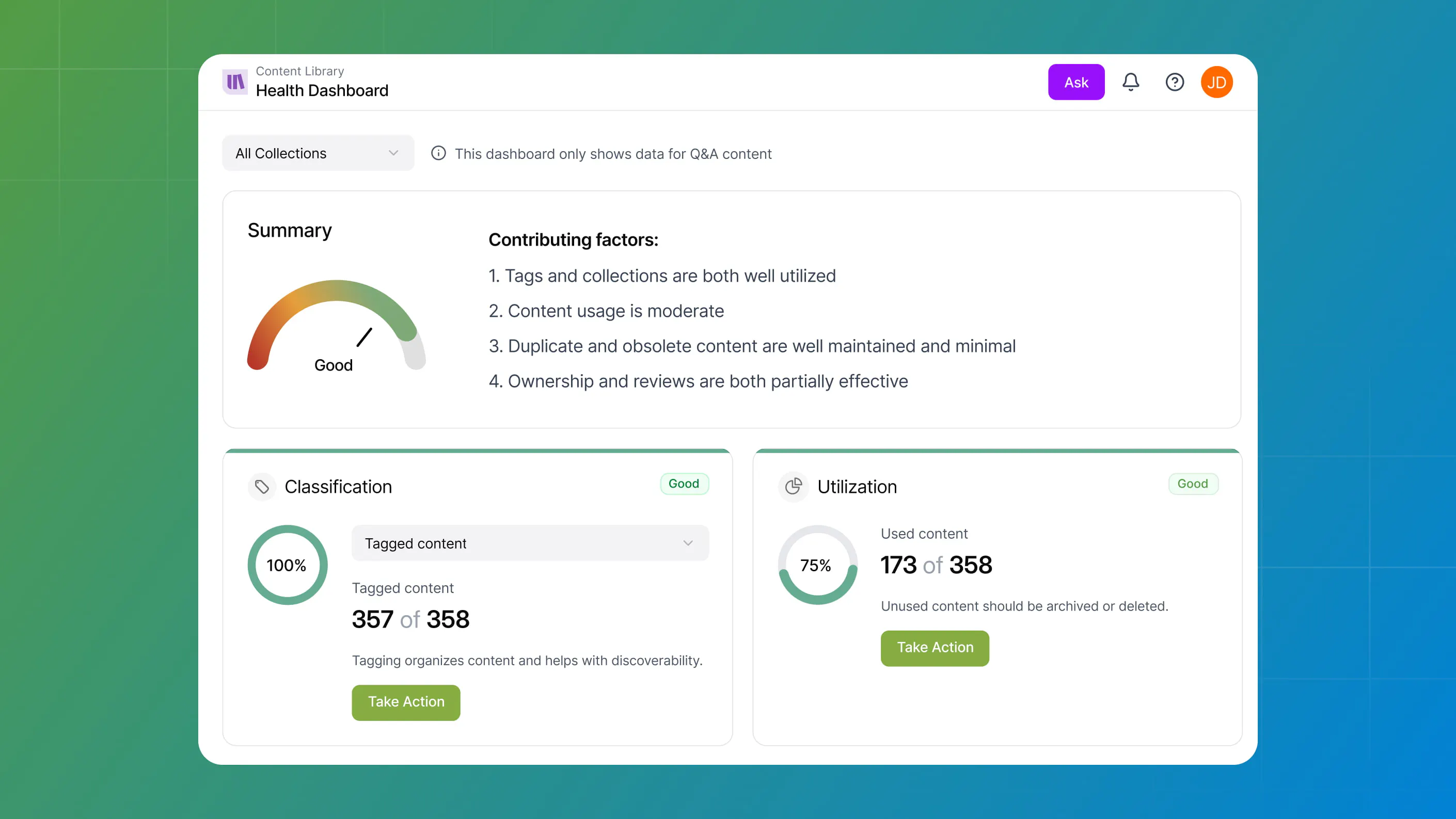
Without a structured system, information spreads across drives, emails, and chat threads, making it difficult to find what’s needed when it matters most. Tracking down the correct version of a presentation or technical answer can take hours and slow momentum during critical stages of the sales process.
When content becomes outdated or inconsistent, errors and mixed messaging soon follow. Sales and proposal teams working from different versions of the same facts risk confusing prospects and weakening trust.
Turnover can compound the problem. As team members move to new roles, valuable knowledge leaves with them unless it has been captured in a shared, searchable library that keeps institutional insights accessible.
The 2025 State of SRM Report (pp. 23–24) reflects all of this, finding that 33% of teams cite a lack of centralized knowledge as a significant barrier to efficient responses. The data reinforces that it’s not effort but structure that drives consistent and effective selling.
Best practices for knowledge management in sales
Once the challenges posed by scattered or outdated content are clear, the next step is to create a framework that keeps information accurate, accessible, and aligned across teams. Together, these best practices show how sales teams can work faster, stay consistent, and improve with every pursuit:
Centralize your company knowledge
Start by consolidating all your product sheets, security responses, and messaging documents into a single, organized content library. When you and your team work from the same approved information, accuracy improves and confidence grows.
Assign content owners to manage each category and schedule regular review cycles to keep all of the information current. This helps to prevent data from becoming outdated as your products and services evolve.
One excellent example of this step in action is how Microsoft’s Proposal Center of Excellence uses Responsive to manage over 20,000 vetted resources. By centralizing all knowledge, the team reduced search time by 30 minutes per question, enabling sellers worldwide to respond faster.
Once your library is established, the next step is to ensure everyone has access.
Use AI to make knowledge self-service
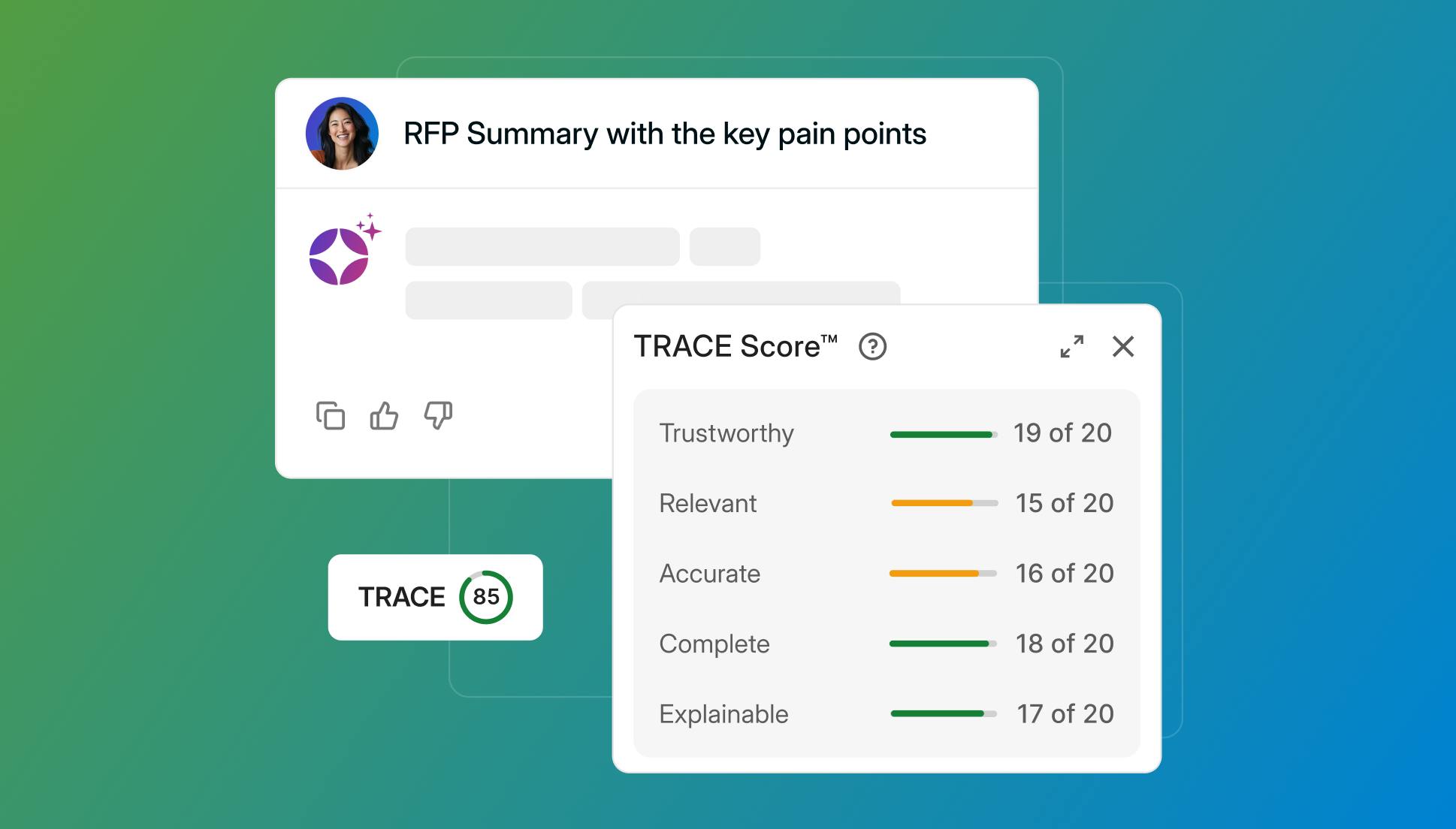
Tools like Responsive Ask provide instant answers from conversational AI that cite every source and show a TRACE Score™ for accuracy. This gives you confidence that each response is based on approved content rather than assumptions.
Other tools like LookUp allow you to search directly by keyword inside Excel, Docs, and Sheets, which are especially useful when you’re completing RFPs, questionnaires, or ad hoc requests.
Using tools such as Ask and LookUp together can help you connect your sales and proposal teams as these tools make trusted information easy to access within your existing workflows, reducing delays and freeing your subject matter experts (SME) to focus on higher-value work.
Ensuring every answer is accurate and traceable to its source is the next focus.
Keep accuracy visible
Accuracy helps you earn your buyer’s trust. Each AI-generated answer should link back to a verified source so you can confirm its credibility before sharing it externally.
Features like the Responsive TRACE Score™ can provide this confirmation by evaluating your responses across five pillars of quality, helping you see where updates or clarifications are needed:
- Trustworthiness: Was the response created using reliable and verified sources of information?
- Relevance: Does the response clearly and directly address the question?
- Accuracy: Are all facts, figures, and references correct and validated?
- Completeness: Does the response cover the full scope of the question without leaving out important details?
- Explainability: Is the reasoning behind the response clear, transparent, and traceable to its original source?
Citation history and version tracking give you clear insight into how your content is managed and maintained. And, when you use scoring and version control, you strengthen compliance and maintain consistent messaging across your entire sales organization.
Once your content is accurate and reliable, you'll want to focus on building a process that keeps it improving over time.
Empower collaboration and continuous improvement
Your knowledge program grows stronger through collaboration. Encourage your team to flag outdated content and share suggestions directly from their workspace.
These small feedback loops help you maintain accuracy between formal review cycles. Set up SME workflows to review and approve materials following product updates or policy changes, ensuring essential details, such as pricing and security standards, remain up to date.
Knowledge management works best when you treat it as an ongoing process. Every pursuit adds context and insight that can help you improve future content. When you build structured collaboration, your knowledge stays active and aligned with your organization’s growth.
The AI flywheel: Turning information into insight
In the webinar Transforming the Proposal Lifecycle with Responsive AI, you see how AI moves knowledge management from simple storage to meaningful analysis. This shift gives you a clearer view of which content and strategies contribute most to successful outcomes.
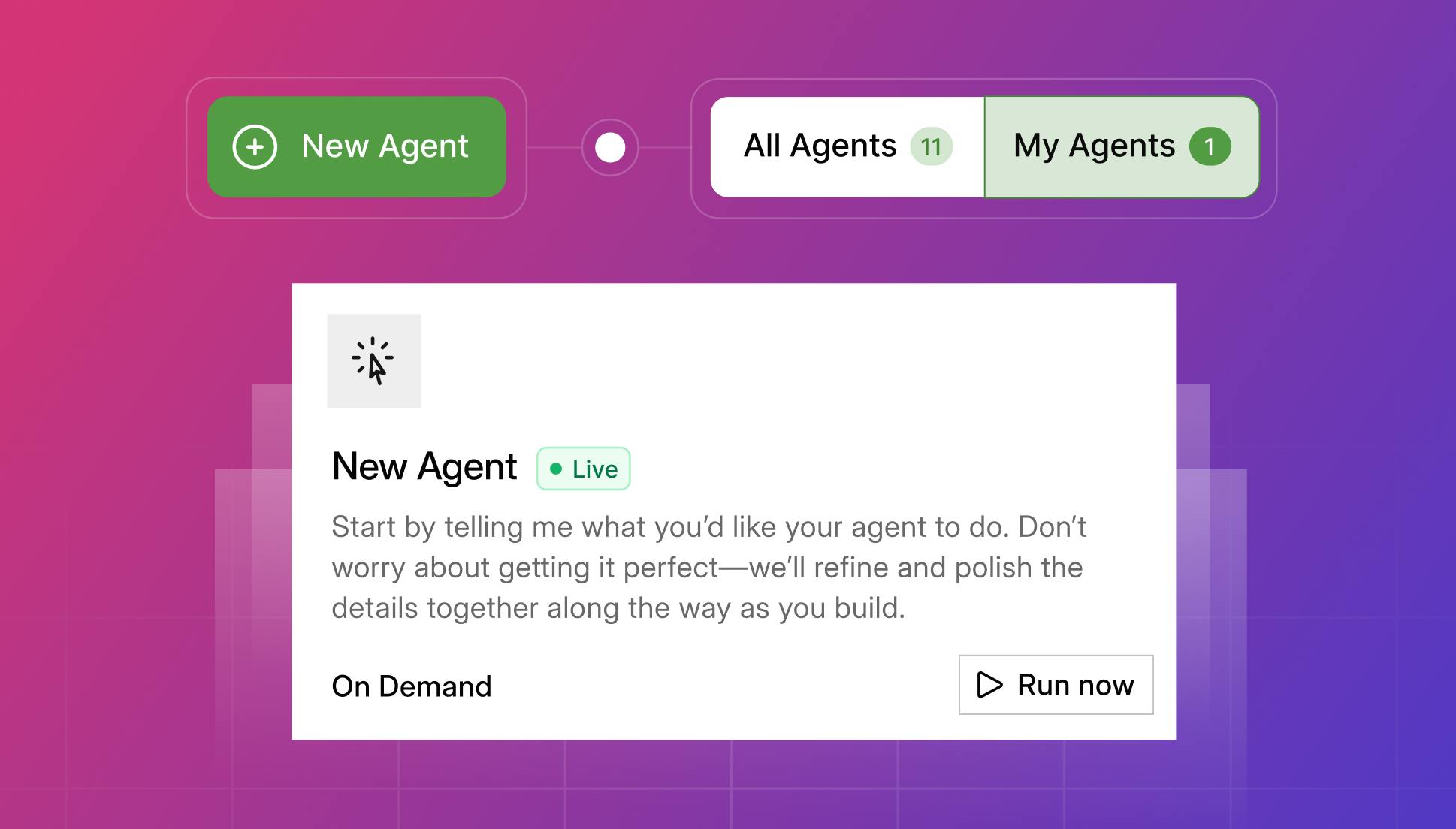
AI agents can process complex documents, identify relevant answers, and recommend the best options based on previous results. When you apply this capability across the sales cycle, your content becomes a continuous source of learning and improvement rather than a static reference.
This type of AI support further helps you make smarter, faster decisions. By learning from past pursuits and automating repetitive work, you can focus more on strategy and customer engagement. Each new opportunity adds insights that strengthen your knowledge base and improve performance.
The result is actionable intelligence. With these insights, you can see which knowledge assets have the greatest impact on revenue and use that understanding to guide content creation, training, and pursuit planning. Over time, every cycle of analysis and application strengthens your flywheel and drives measurable growth.
Spotlight on Seismic’s AI-driven alignment
Seismic is a strong example of how a team can strengthen its knowledge sharing and use. By bringing its sales and proposal content together in Responsive, Seismic created a single, trusted foundation for approved messaging that maintained a consistent narrative across every stage of the sales cycle and strengthened collaboration between sales and marketing.
Working from a single centralized content library eliminated confusion about which version of a document or message to use. Sellers could instantly access the latest content while Marketing maintained control over accuracy and branding. The result was a faster, more confident response process that supported a seamless buyer experience.
You can apply this same approach to your organization. When your teams rely on a single source of truth, you remove repetitive communication loops and ensure that every message supports your company’s current positioning. Accurate, well-governed content gives your Sales team the confidence to focus on value conversations instead of content verification.
“AI helps us move faster, but it only works if your content is aligned and governed properly so that it stays accurate and accessible.”
Toby Carrington
Chief Business Officer at Seismic
Toby’s perspective reflects the balance that every organization should strive for: leveraging AI to accelerate execution while maintaining human oversight to ensure the quality and consistency of shared knowledge.
Setting the stage: knowledge management for sales
Knowledge management is not a one-time project; it’s a long-term strategy that supports every stage of your sales cycle. When you centralize content, make it accessible through AI, maintain accuracy and visibility, and encourage ongoing collaboration, you establish a foundation that enables your team to respond more quickly and with greater confidence. Together, these elements turn your company’s knowledge into a measurable advantage that grows stronger with each pursuit.
As you plan your next steps, start by reviewing where your sales content is currently stored and how easily your team can access it. Then, bring your most valuable materials into a shared library, use AI tools like Ask and LookUp to make information self-service, and assign clear ownership for keeping content current.
If you want to give your sellers the knowledge and confidence to close more deals, see what that looks like in action. Request a demo to experience how Responsive Knowledge Management brings structure, accuracy, and insight to your sales workflows.

Laci Texter
Content Strategist @ Responsive
Laci has more than ten years of experience creating content and GTM strategy for B2B SaaS companies which is the kind of organizations that live and die by the proposal process. At Responsive, she focuses on content that helps proposal managers, bid teams, and sales leaders understand how to respond faster, win more, and build scalable response operations. She's data-driven by nature and believes the best content answers the question the buyer is already asking.