Just a few years ago, AI was something most people associated with simple chatbots, basic task automation, and low-quality AI-generated videos. Now, AI is showing up in real-world work, delivering proven results. We see it helping in procurement, security reviews, and sales cycles, to name just a few places. AI is now in the parts of the business where accuracy and trust matter most.
That is exactly why we’re excited to share that Responsive is officially ISO/IEC 42001 certified. More than just another badge on our website, this new certification demonstrates that Responsive is an industry leader in managing AI responsibly. The ISO/IEC 42001 certification is about the systems behind the scenes that govern how AI is designed, used, monitored, and improved over time.
For Responsive, where AI supports high-stakes work across the platform, this certification is a real milestone. It is also a signal to our current and future users that we take trustworthy AI seriously, and we back that commitment with structure, processes, and independent validation.
This post explains what ISO/IEC 42001 is, why it matters now, what it means for Responsive and the SRM industry, and what you can expect from us next.
What is ISO/IEC 42001?

Let’s start simple. ISO/IEC 42001 is an international standard for an AI Management System. It’s often shortened to “AIMS.”
An AIMS is not a single tool or feature. It is a set of policies, controls, processes, and ongoing practices that help an organization manage AI responsibly across its lifecycle. That includes how AI is planned, built, tested, used, and reviewed over time.
If you have heard of ISO 27001, that standard focuses on information security management. It helps organizations protect data and reduce security risk through a formal management system.
ISO/IEC 42001 is similar in spirit, but it focuses on AI-specific considerations. It’s about putting discipline and accountability around AI so an organization isn't relying on ad hoc decisions, individual judgment calls, or the all-too-common “we’ll deal with that later.”
Here are a few practical questions ISO/IEC 42001 can help organizations answer:
- Who is accountable for AI outcomes?
- How is that accountability tracked?
- How do we identify and manage risks related to AI use?
- How do we evaluate AI behavior over time and improve it in a controlled way?
- How do we make sure AI use aligns with internal requirements, customer expectations, and legal or regulatory obligations?
However, ISO/IEC 42001 is not the same as saying “our AI is perfect.” No standard can promise that. What it does validate is that an organization has a consistent system for responsible AI management. That system is documented, auditable, and built for continuous improvement.
Why ISO/IEC 42001 matters right now
There is a real reason ISO/IEC 42001 is showing up in more conversations: AI is moving from “nice to have” to “used every day.” Buyers are now demanding accountability from their software providers regarding AI.
If you are a security leader or someone who supports vendor risk reviews, you have probably noticed the shift. AI is now part of many software platforms, so it should be included in your risk model as well. Even outside of security teams, many people feel the pressure.
- Proposal and sales teams want AI to speed up responses, but they also need confidence that the output is accurate and aligned with approved knowledge.
- Procurement teams want efficiency, but they also want visibility and control.
- Leadership teams want growth, but they do not want surprises that create compliance or brand risk.
In short, AI adoption and AI oversight are accelerating at the same pace.
ISO/IEC 42001 matters because it provides a shared framework for something that can otherwise feel vague. It provides organizations with a common language and a practical framework for AI governance. It also gives buyers a clearer signal that a vendor’s AI program is an operational commitment.
For the bid and proposal industry, this standard is part of a broader trend: AI is being treated less like a novelty and more like infrastructure. When something becomes infrastructure, people expect it to be managed with care.
What ISO/IEC 42001 means for Strategic Response Management
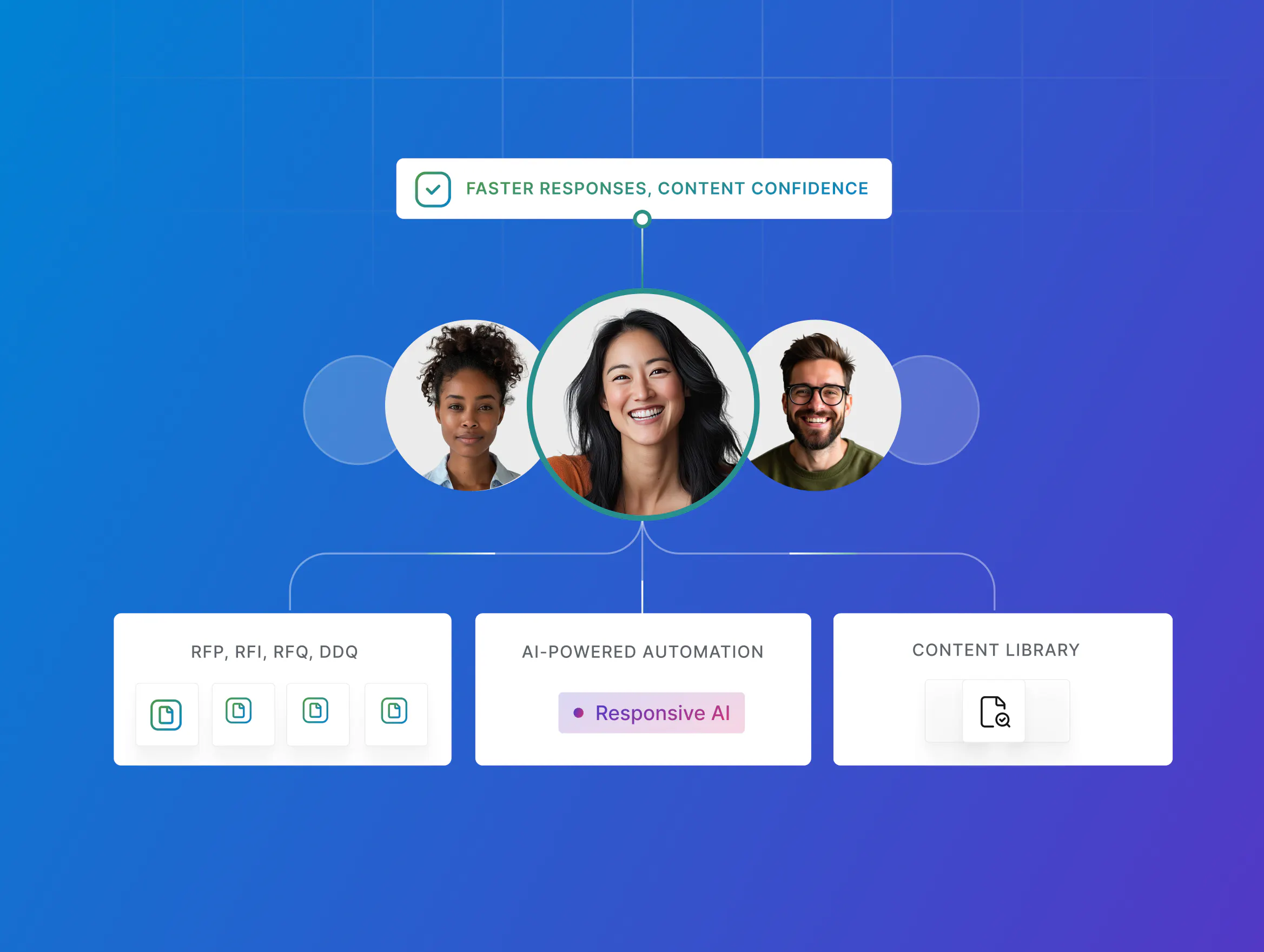
Responsive exists in a category where speed and accuracy both matter. Strategic Response Management (SRM) involves RFPs, RFIs, DDQs, security questionnaires, ESG requests, and other high-impact information exchanges. These responses influence revenue, customer trust, and compliance decisions. They often involve multiple teams and tight deadlines. They also rely on knowledge that changes over time.
This reality is why AI has become an important part of modern SRM platforms, such as Responsive. When done right, AI helps teams find the right content faster, draft better first drafts, and reuse what the organization already knows. It helps reduce busy work and keeps people focused on higher-value decisions.
But when AI touches high-stakes content, the bar for trust goes up. Here is what ISO/IEC 42001 represents in that context:
Reinforces accountability
AI does not live in a vacuum. People design, configure, review, and use it. ISO/IEC 42001 pushes organizations to make roles and responsibilities clear. At Responsive, that ownership leads to clearer decisions about existing AI agents and capabilities like Ask, as well as where the roadmap is leading this year and next.
Supports a structured approach to risk
AI risk is not a single step or decision. Risks can include inaccurate output, misuse, unintended exposure, or misalignment with how a customer expects AI to behave. At Responsive, ISO/IEC 42001, along with our other security certifications, drives a disciplined approach to identifying, assessing, and addressing these risks, and to reviewing them over time.
It emphasizes continuous improvement
AI programs are never “done.” Models change, use cases expand, and customer expectations evolve. ISO/IEC 42001 treats AI management as an ongoing system rather than a one-time project.
For Responsive, this certification formalizes and validates the work we have been doing to responsibly integrate AI into the platform. It supports our approach to scaling AI across workflows while keeping governance and trust at the center.
Why does ISO/IEC 42001 matter for buyers?
AI is everywhere right now. Many SRM vendors say they have AI features. Few can clearly explain how they manage AI responsibly across the organization.
That is what makes ISO/IEC 42001 meaningful. It’s an independent certification based on a recognized international standard.
We also want to be direct about the competitive context. To the best of our knowledge, Responsive is the only SRM vendor currently ISO/IEC 42001 certified. When or if that changes, we will still feel good about being early, because early matters with trust. Early shows intent to lead rather than simply following the crowd.
This certification helps reduce friction for customers conducting a serious SRM vendor evaluation. If you are running a security review, a governance review, or a procurement process, you want evidence. You want to know that AI governance is real and supported by repeatable practices.
ISO/IEC 42001 helps in a few practical ways by:
- The certification provides a credible reference that vendors can point to during the review process.
- Demonstrating that AI management is part of the company’s operating system, not a side project.
- Showing a commitment to responsible AI that can scale with AI adoption.
For buyers, that translates into confidence. You can move faster when you do not have to guess how a vendor handles AI governance.
What can users expect next from Responsive?
A certification is a milestone, but it’s definitely not the finish line. What matters most is the day-to-day experience our users have on our platform. Here’s what you can expect from Responsive as we continue to build.
More transparency, in ways that help real teams
Responsible AI is easier to trust when it’s easy to understand. We will continue investing in clearer explanations of how AI is used across the Responsive Platform, the controls in place, and how customers can make informed decisions about adoption. That includes practical materials your teams can use in reviews and onboarding, not just high-level statements.
Stronger governance as AI expands across workflows
As we release new AI capabilities and improve existing ones, we will continue to apply governance practices aligned with enterprise use realities, while also providing tools to support growing companies. That means ongoing risk reviews, clear internal accountability, and consistent processes for change management and improvement.
A more secure ecosystem through the Responsive Trust Center
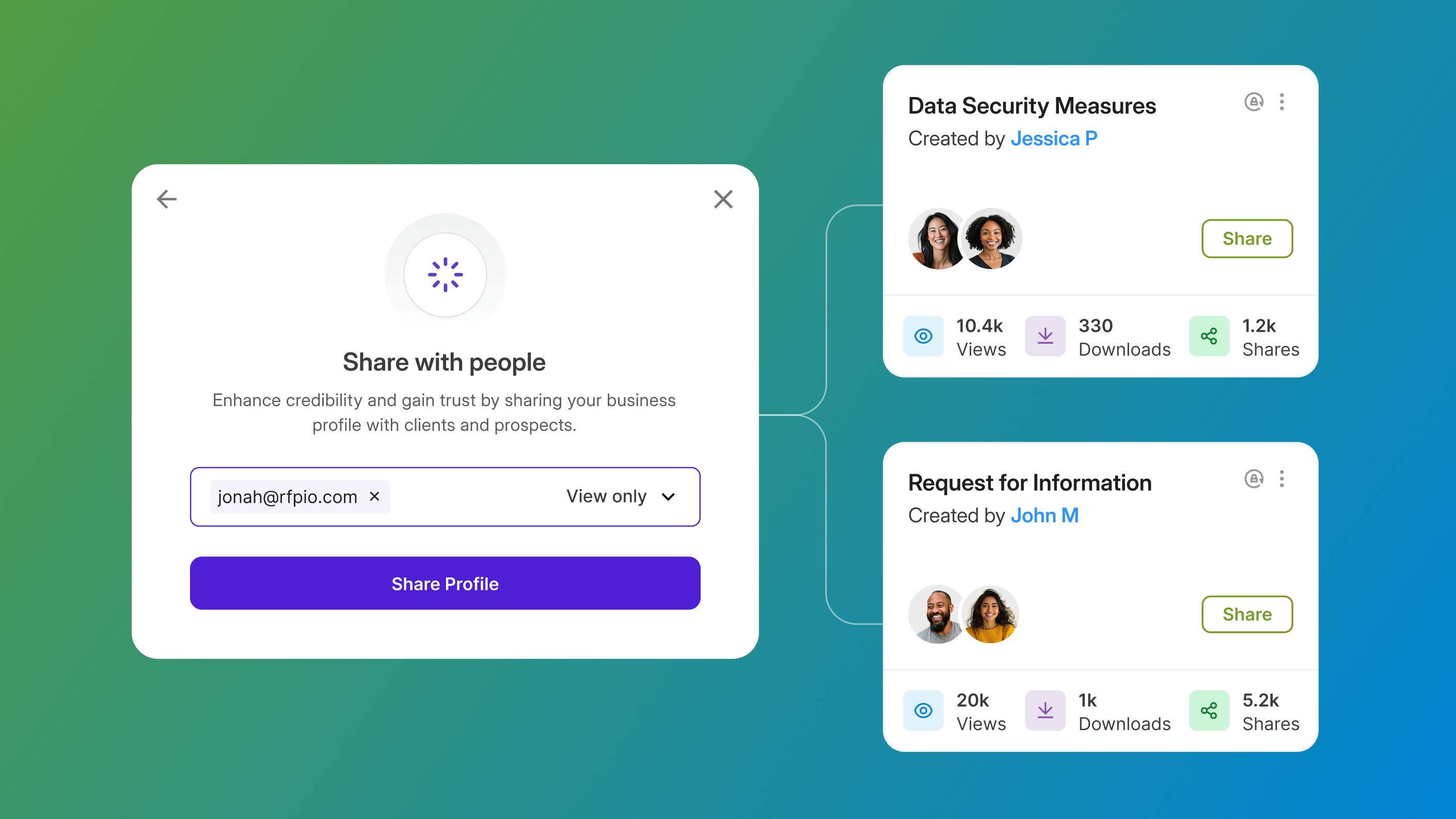
Security and trust are deeply interconnected with AI. That’s why we are also emphasizing the Responsive Trust Center as part of what customers can expect. Trust Center is designed to help create a more secure ecosystem for Responsive users by making it easier to understand, validate, and communicate their security posture.
In practical terms, the Trust Center helps customers and prospects:
- Access security and compliance information in a centralized place
- Speed up security reviews with clear, consistent documentation
- Build confidence that the platform is operated with security as a core requirement
SRM work often involves sensitive information. When teams respond to RFPs, security questionnaires, and due diligence requests, they handle content that must be protected and controlled. Trust Center supports this need by making security information easier to review and easier to share with the right stakeholders.
It also reinforces a simple message: more than just building powerful AI, we are building AI into a platform that is managed with the controls and transparency enterprise teams expect.
Continued investment in trust you can measure
We will continue to align our build and operations with recognized standards and customer expectations. ISO/IEC 42001 is part of that. Trust Center is part of that. You will continue to see us treat “trust” as something you can validate rather than something you have to take on faith.
Where to go from here
Responsive helps organizations manage and reuse their knowledge to respond to high-stakes requests faster and with more confidence. AI plays a significant role in that and will play an even bigger role in the future. But AI only helps when people trust it.
ISO/IEC 42001 certification is one way we earn that trust by demonstrating that our AI approach is governed, accountable, and built for continuous improvement. Trust Center is another way to help customers evaluate the platform's security posture and create a safer environment for their teams.
If you want to learn more about what this certification means for your organization, or how Trust Center can support your security review process, we would love to talk.

Andrew Martin
Content Marketing Manager @ Responsive
Andrew Martin covers AI adoption, RFP strategy, and proposal management at Responsive, drawing on insights from Responsive's 2,000+ enterprise customer base and original research.