


AI has moved from novelty to mandate
With input from more than 140 senior decision-makers and practitioners, discover how the most mature firms are adopting technology and evolving operations to see shorter sales cycles, greater revenue, and happier employees.
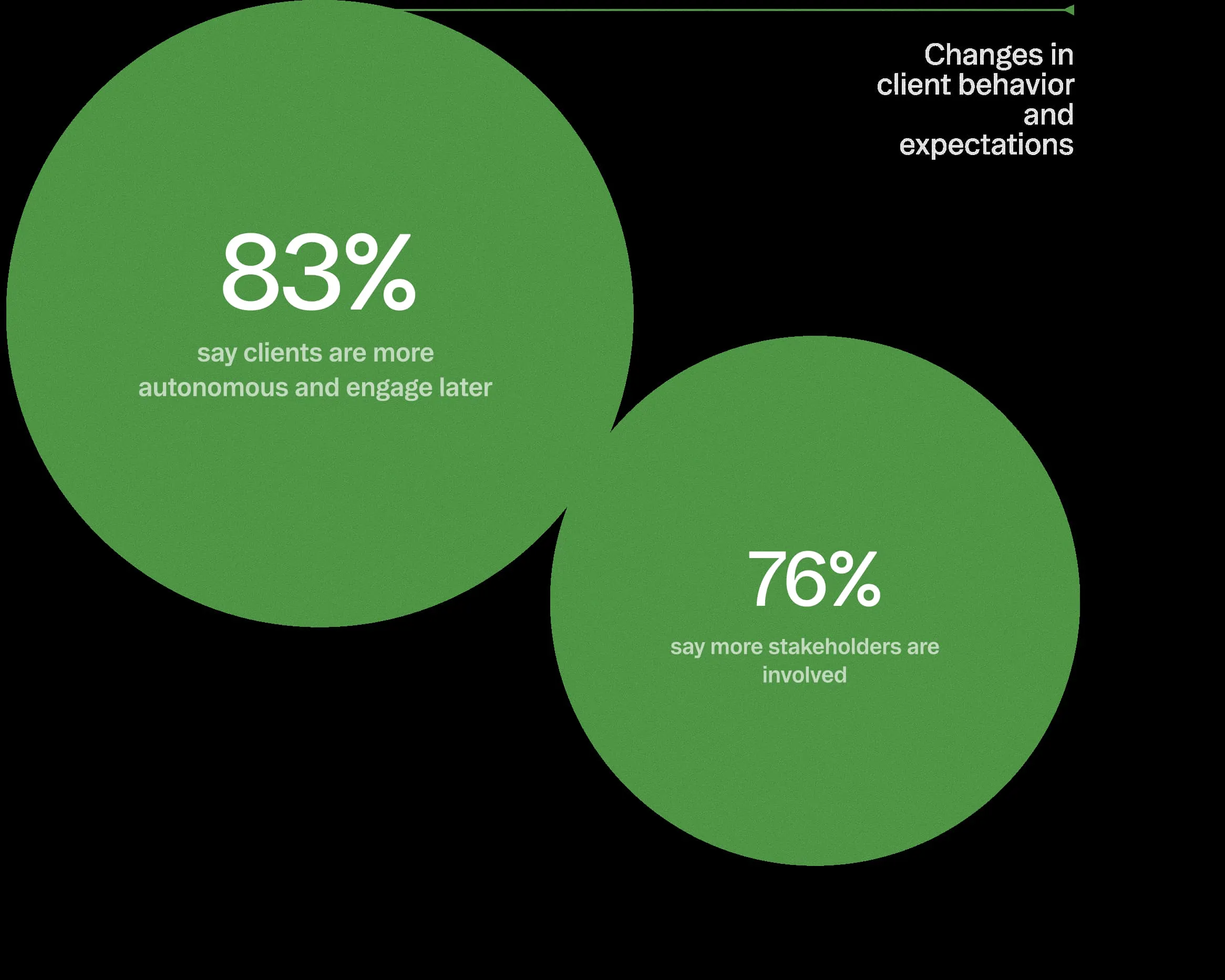
Access reportClients are arriving later, better informed, and under pressure to justify every decision. In financial services, those shifts are especially pronounced. Firms are 8 points more likely than other industries to say buyers delay engagement until later in the cycle, and 9 points more likely to say clients are willing to reevaluate existing solutions.
That combination raises the stakes for every interaction. New business is harder to win, loyalty is harder to keep, and firms have less time to influence the outcome.
New this year, we introduce the SRM Maturity Index (Leaders vs. Novices), a way of grouping firms by how effectively they capture, govern, and share the intelligence behind every response.
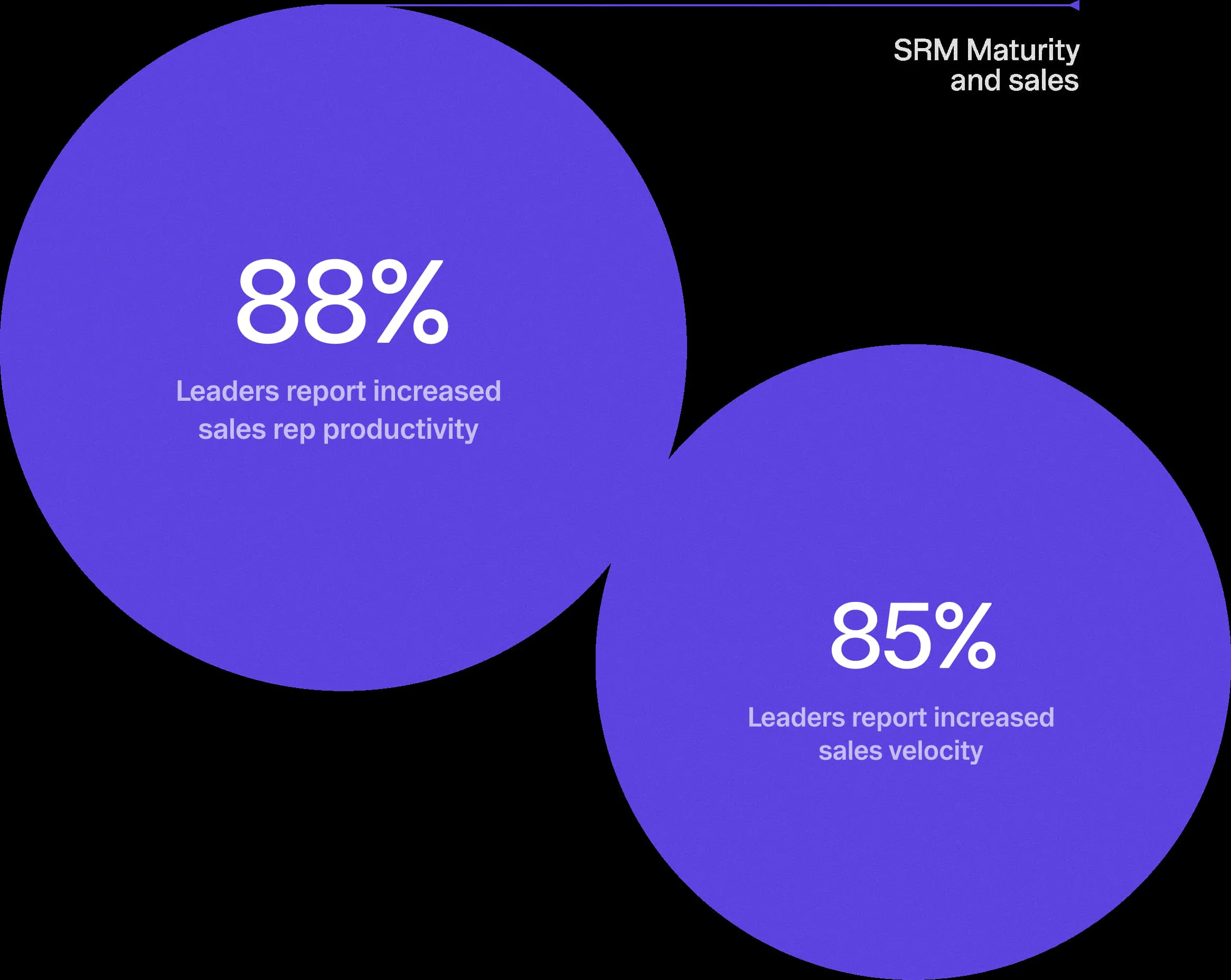
SRM Leaders are significantly more likely to report year-over-year revenue growth from RFPs and other strategic responses (77% vs. 55% of Novices), tying mature SRM practices directly to top-line performance.
Financial services firms are moving aggressively on AI adoption, but the biggest gains aren’t coming from deployment alone. Leaders are pairing AI with centralized knowledge, governed workflows, and cross-functional collaboration — turning Strategic Response Management into a connected system instead of a collection of tools.
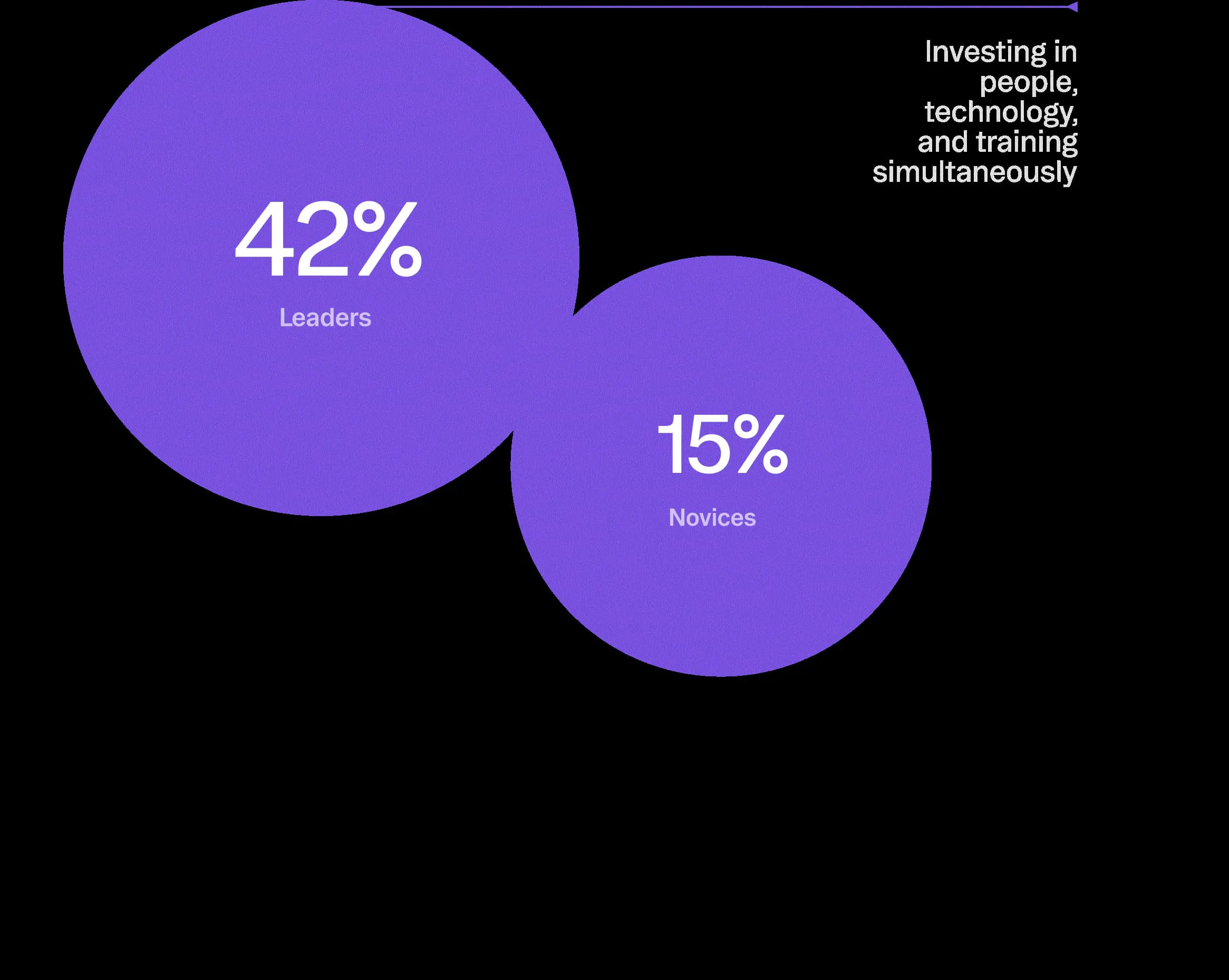
That difference is translating into results. 8 in 10 Leaders already use AI in SRM workflows, compared with just half of Novices, and mature firms are far more likely to invest simultaneously in people, training, and technology.
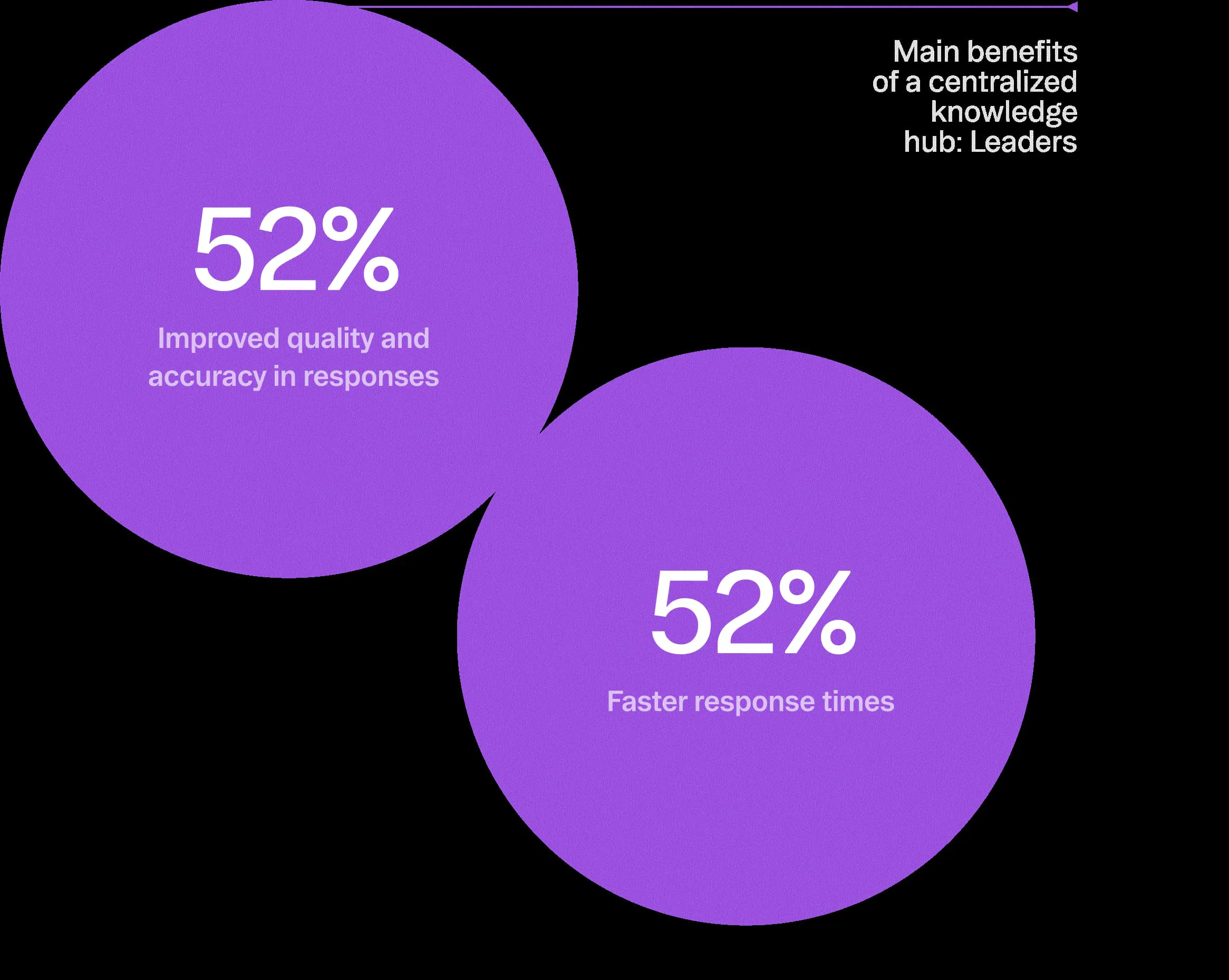
Financial services Leaders are far more likely to centralize knowledge and enable self-service across the business. With trusted content accessible to sales, customer success, IT, and risk teams, organizations reduce bottlenecks, speed up responses, and keep work moving without constant proposal team involvement.
That maturity translates directly into business impact. Leaders are significantly more likely to measure revenue impact, win rate, and sales productivity, proving that when knowledge is accessible, teams move faster, stay aligned, and drive stronger outcomes.
Translate data into action. The report includes a five-pillar playbook and a 12-month roadmap to propel your firm up the maturity curve.
A more pressurized path to partnership
Clients are arriving later, better informed, and under pressure to justify every decision. In financial services, those shifts are especially pronounced. Firms are 8 points more likely than other industries to say buyers delay engagement until later in the cycle, and 9 points more likely to say clients are willing to reevaluate existing solutions.
That combination raises the stakes for every interaction. New business is harder to win, loyalty is harder to keep, and firms have less time to influence the outcome.
The SRM Maturity gap
New this year, we introduce the SRM Maturity Index (Leaders vs. Novices), a way of grouping firms by how effectively they capture, govern, and share the intelligence behind every response.
SRM Leaders are significantly more likely to report year-over-year revenue growth from RFPs and other strategic responses (77% vs. 55% of Novices), tying mature SRM practices directly to top-line performance.
From automation to orchestration
Financial services firms are moving aggressively on AI adoption, but the biggest gains aren’t coming from deployment alone. Leaders are pairing AI with centralized knowledge, governed workflows, and cross-functional collaboration — turning Strategic Response Management into a connected system instead of a collection of tools.
That difference is translating into results. 8 in 10 Leaders already use AI in SRM workflows, compared with just half of Novices, and mature firms are far more likely to invest simultaneously in people, training, and technology.
Knowledge in everyone’s hands
Financial services Leaders are far more likely to centralize knowledge and enable self-service across the business. With trusted content accessible to sales, customer success, IT, and risk teams, organizations reduce bottlenecks, speed up responses, and keep work moving without constant proposal team involvement.
That maturity translates directly into business impact. Leaders are significantly more likely to measure revenue impact, win rate, and sales productivity, proving that when knowledge is accessible, teams move faster, stay aligned, and drive stronger outcomes.
The SRM Maturity playbook
Translate data into action. The report includes a five-pillar playbook and a 12-month roadmap to propel your firm up the maturity curve.


Discover all the ways the most successful financial services teams are moving faster, responding smarter, and winning more in 2026.
By submitting, you agree to receive occasional marketing emails from us. You can unsubscribe at any time. View our Privacy Policy.