2026 State of Strategic Response Management (SRM)



2026 State of Strategic Response Management (SRM)
AI has moved from novelty to mandate
With input from nearly 300 European senior decision-makers and practitioners across industries, discover how the most mature organisations are adopting technology and evolving operations to see shorter sales cycles, greater revenue, and happier employees.
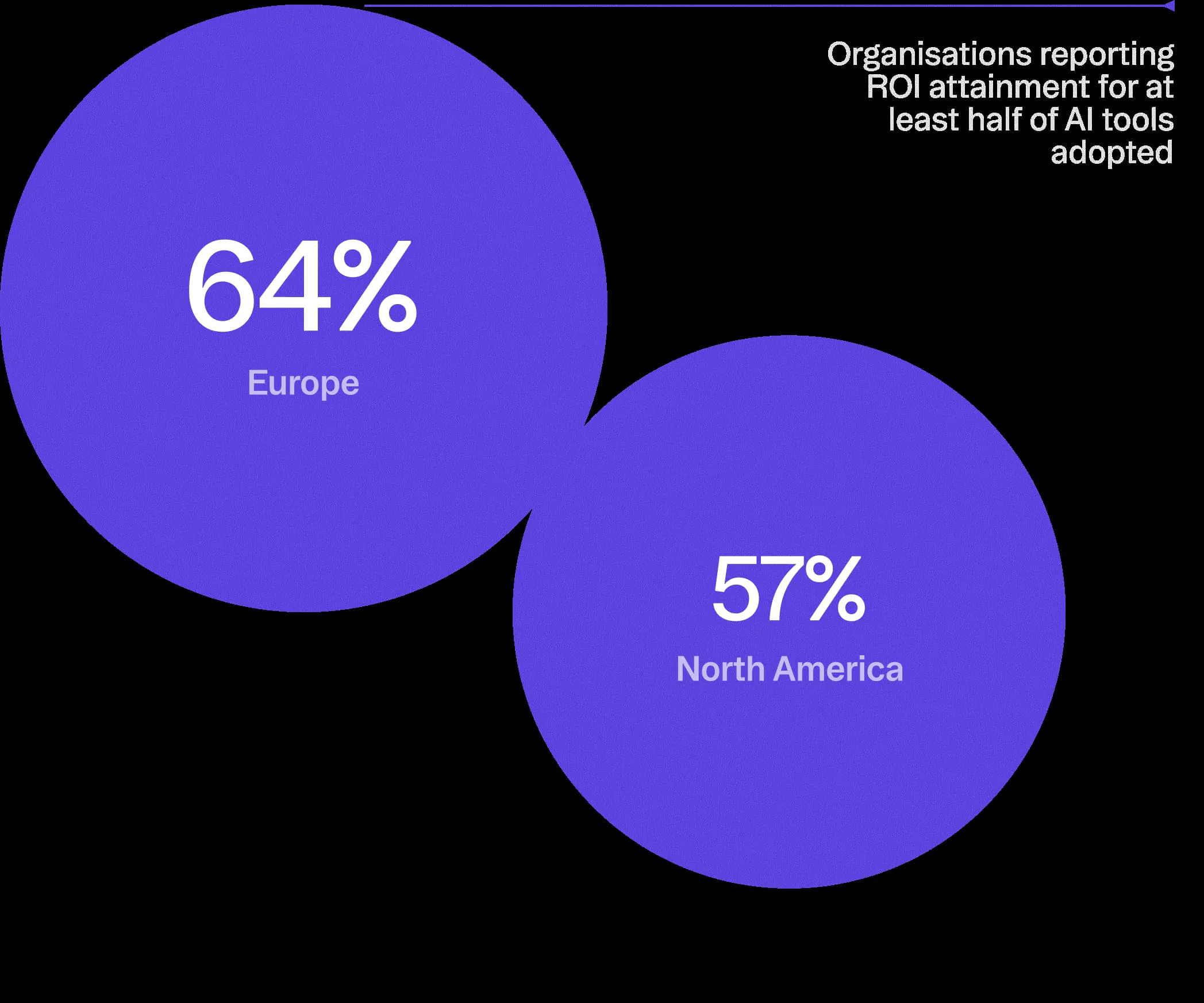
Access reportEuropean organisations are seeing faster, more reliable returns from AI, with 64% reporting positive ROI across most SRM deployments — ahead of North America.
Just as important, value is showing up quickly: 66% of deployments deliver returns within a year, with a growing share doing so in as little as three months.
The takeaway isn’t just stronger performance. It’s a more deliberate approach where teams balance people and technology to drive consistent, measurable impact in less time.
We introduce the SRM Maturity Index (Leaders vs. Novices), a way of grouping organizations by how effectively they capture, govern, and share the intelligence behind every response.
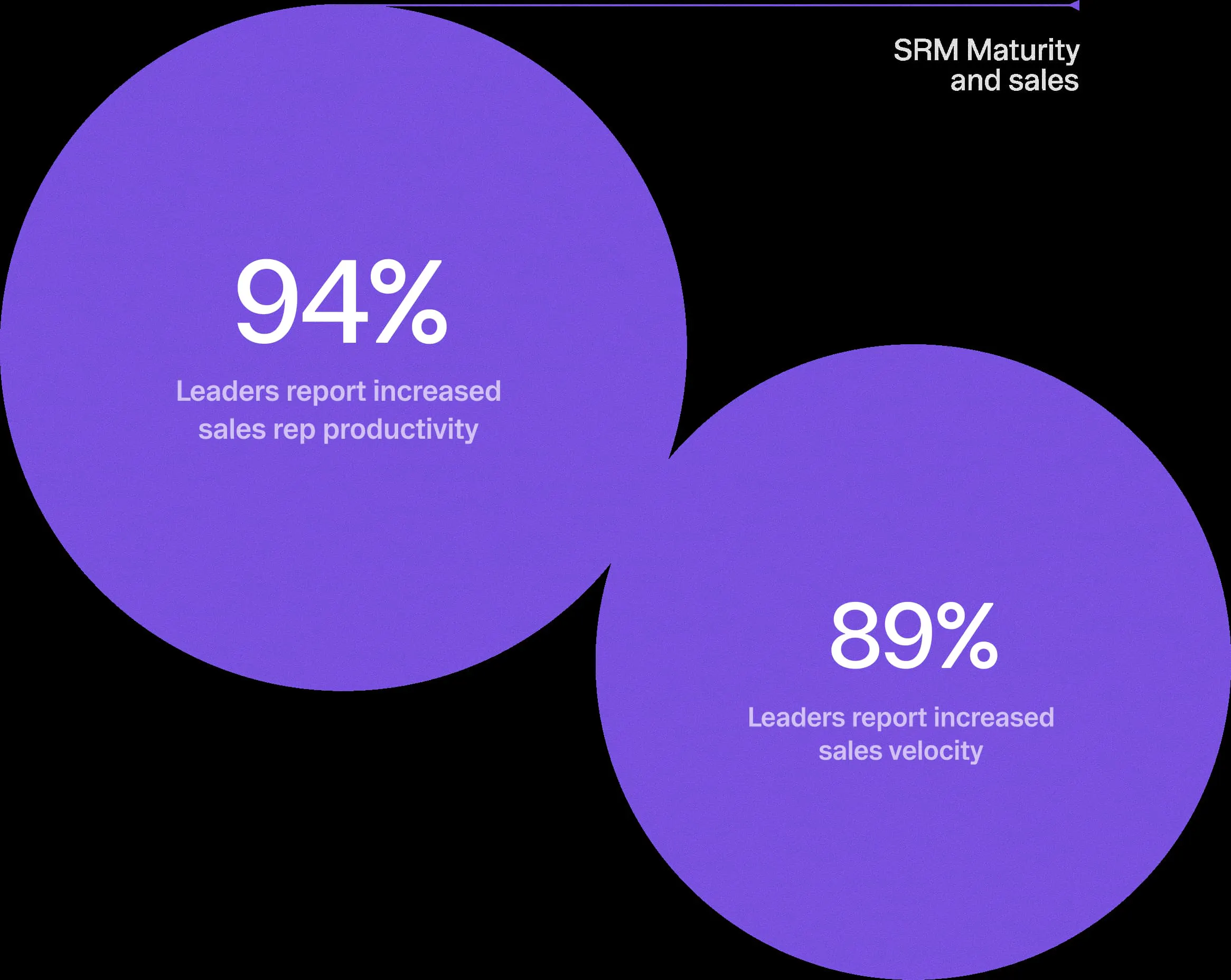
SRM Leaders are significantly more likely to report year-over-year revenue growth from RFPs and other strategic responses, tying mature SRM practices directly to top-line performance.
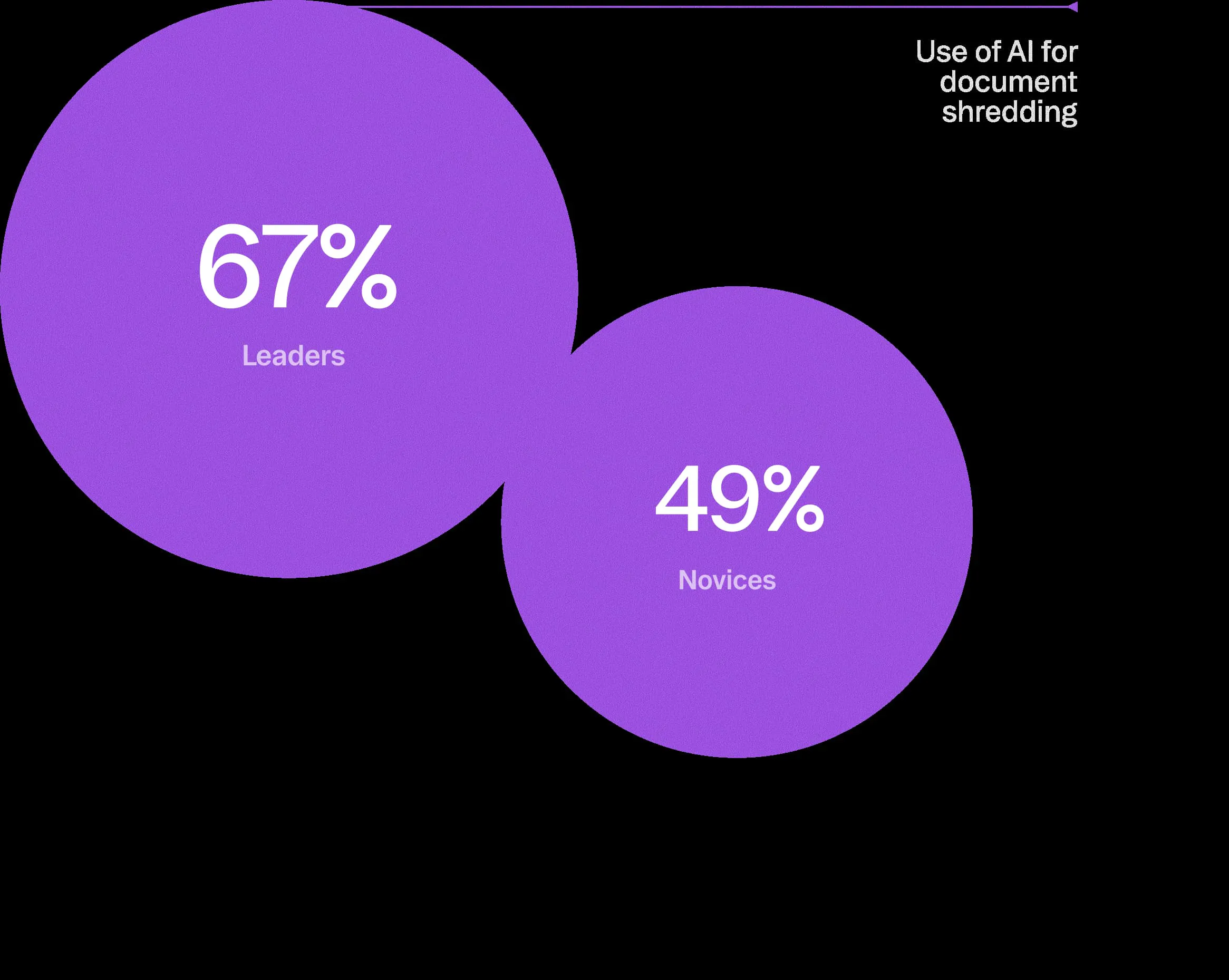
Leaders in Europe are pushing AI into higher-value decisions, not just day-to-day tasks. While most organisations use AI for drafting, over two-thirds of Leaders take it further, applying AI early to assess RFP fit and guide go/no-go decisions.
This is where the shift from faster responses to smarter decisions becomes clear. The strongest teams are thinking beyond speed and are leveraging tech to better focus their efforts on the opportunities most likely to convert.
Leaders in Europe are turning best practices into standard operating procedure. By centralising response knowledge in a single, governed hub, they remove bottlenecks, reduce reliance on SMEs, and enable teams across the business to self-serve.
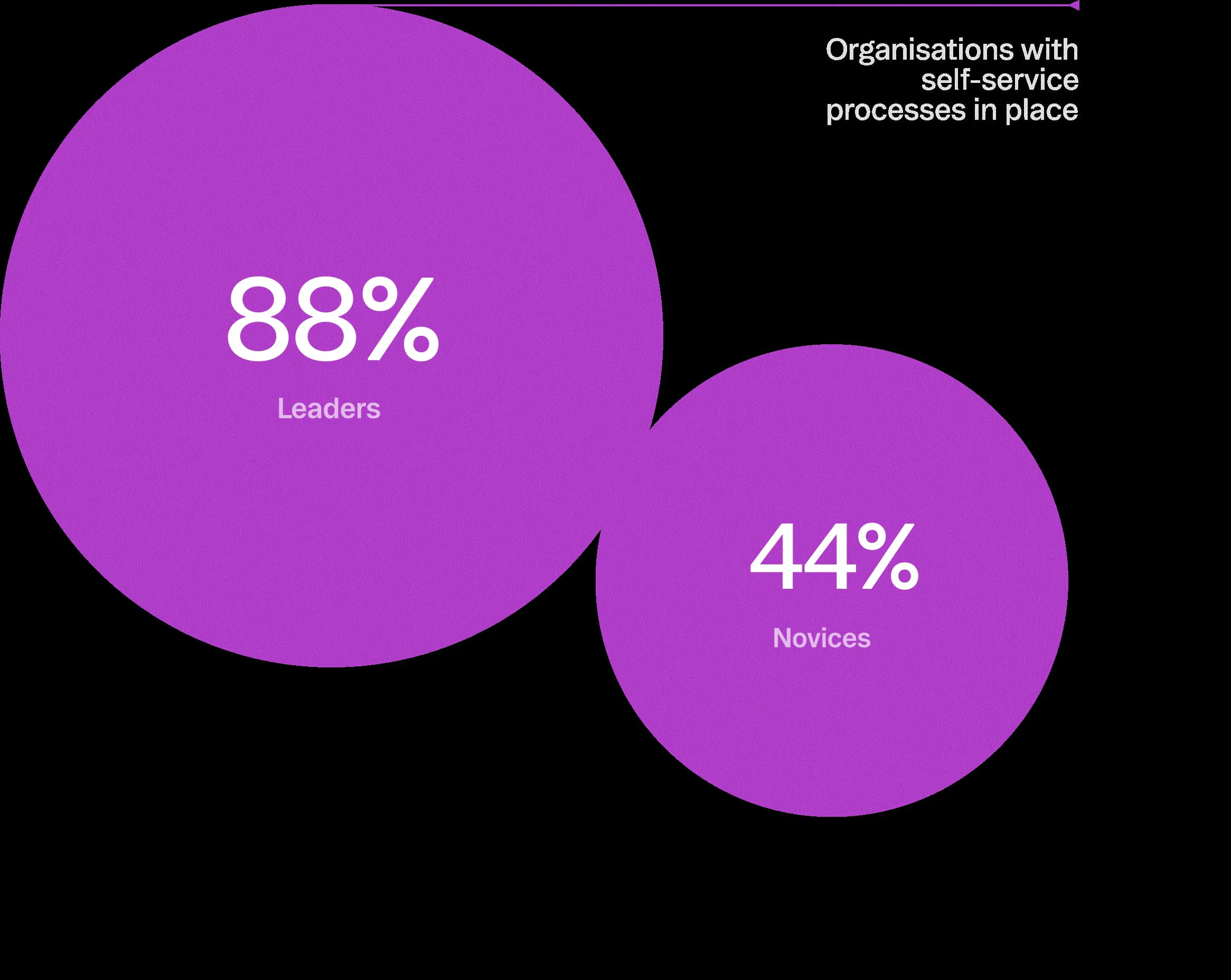
The gap is significant: Leaders are far more likely to have centralised knowledge and clear self-service processes in place, while many Novices still rely on fragmented information and manual coordination.
The result is a compounding advantage. When teams can easily access the right information, responses move faster, collaboration improves, and performance becomes easier to measure and scale.
Translate data into action. The report also includes a five-pillar playbook and a 12-month roadmap to propel your organization up the maturity curve.
More reliable and rapid returns
European organisations are seeing faster, more reliable returns from AI, with 64% reporting positive ROI across most SRM deployments — ahead of North America.
Just as important, value is showing up quickly: 66% of deployments deliver returns within a year, with a growing share doing so in as little as three months.
The takeaway isn’t just stronger performance. It’s a more deliberate approach where teams balance people and technology to drive consistent, measurable impact in less time.
The SRM Maturity gap
We introduce the SRM Maturity Index (Leaders vs. Novices), a way of grouping organizations by how effectively they capture, govern, and share the intelligence behind every response.
SRM Leaders are significantly more likely to report year-over-year revenue growth from RFPs and other strategic responses, tying mature SRM practices directly to top-line performance.
AI moves upstream into smarter pursuit decisions
Leaders in Europe are pushing AI into higher-value decisions, not just day-to-day tasks. While most organisations use AI for drafting, over two-thirds of Leaders take it further, applying AI early to assess RFP fit and guide go/no-go decisions.
This is where the shift from faster responses to smarter decisions becomes clear. The strongest teams are thinking beyond speed and are leveraging tech to better focus their efforts on the opportunities most likely to convert.
When teams can self-serve, everything moves faster
Leaders in Europe are turning best practices into standard operating procedure. By centralising response knowledge in a single, governed hub, they remove bottlenecks, reduce reliance on SMEs, and enable teams across the business to self-serve.
The gap is significant: Leaders are far more likely to have centralised knowledge and clear self-service processes in place, while many Novices still rely on fragmented information and manual coordination.
The result is a compounding advantage. When teams can easily access the right information, responses move faster, collaboration improves, and performance becomes easier to measure and scale.
The SRM Maturity playbook
Translate data into action. The report also includes a five-pillar playbook and a 12-month roadmap to propel your organization up the maturity curve.


Discover all the ways the most successful European teams are moving faster, responding smarter, and winning more in 2026.
By submitting, you agree to receive occasional marketing emails from us. You can unsubscribe at any time. View our Privacy Policy.