
Proposal teams have always worked under pressure. Tight deadlines, scattered inputs, complex questionnaires, last-minute sales requests, and security assessments. But today, the stakes are higher. Buyers ask more detailed questions. AI and security reviews are more common. Proposal teams are asked to support more of the revenue cycle, often without more headcount.
In this episode of the Responsive Podcast, Tara Motter, Director of Proposals at BlackLine, discusses how her team is meeting that rising pressure with new solutions. Tara brings nearly 15 years of experience in the proposal profession. At BlackLine, she leads a six-person team that supports global proposals, security questionnaires, due diligence questionnaires, and “the miscellaneous stuff that people don’t know where to go” with.
The podcast summary covers how BlackLine uses AI across the pursuit lifecycle, why governed knowledge matters more than generic AI output, how a Trust Center helps reduce repetitive questionnaires, and why proposal professionals need to keep marketing the value of their work.
AI is helping proposal teams manage growing response volume
Like many proposal leaders, Tara has seen the scope of the work expand. Proposal teams are no longer only responding to traditional RFPs. They’re handling security questionnaires, DDQs, ITQs, AI assessments, and other buyer requests that carry real revenue and risk implications.
One of the biggest shifts? The rise of AI questionnaires.
At BlackLine, those requests have grown significantly over the past couple of years. Early AI questionnaires were simpler, often focused on whether customer data was used to train models. Today, buyers want more detail: what models are used, how long they’ve been in place, how data is handled, and what governance is in place.
To keep up, BlackLine has built a structured knowledge foundation around AI. Tara’s team has access to AI experts, a dedicated Teams channel for one-off questions, an FAQ guide, ISO 42001 documentation, and a Content Library with roughly 300 AI-related questions.
That foundation matters because AI is not a shortcut around expertise. It gives the proposal team a stronger starting point. The team still needs the right content, the right review process, and the right people involved when the question gets more complex.
As Tara put it, when a new topic emerges, proposal teams often become “instant experts.” GDPR had its moment. GCP migration questionnaires had theirs. Now, AI is the topic buyers want to understand in detail.
The job has evolved from simply answering questions to making sure buyers feel confident they are in good hands.
Governed knowledge beats generic AI answers
One of the biggest risks facing proposal and sales teams is assuming any AI-generated answer is good enough. Tara said she appreciates when sales teams try to move work forward, but if a seller uses a general-purpose AI tool to answer questions in a Word document, the proposal team has a problem.
“I can’t see the source. I can’t verify,” Tara said.
That lack of traceability matters. In proposal work, an answer can sound polished and still be wrong. It can be confidently written, but outdated. It can use the right language but miss the buyer’s specific context.
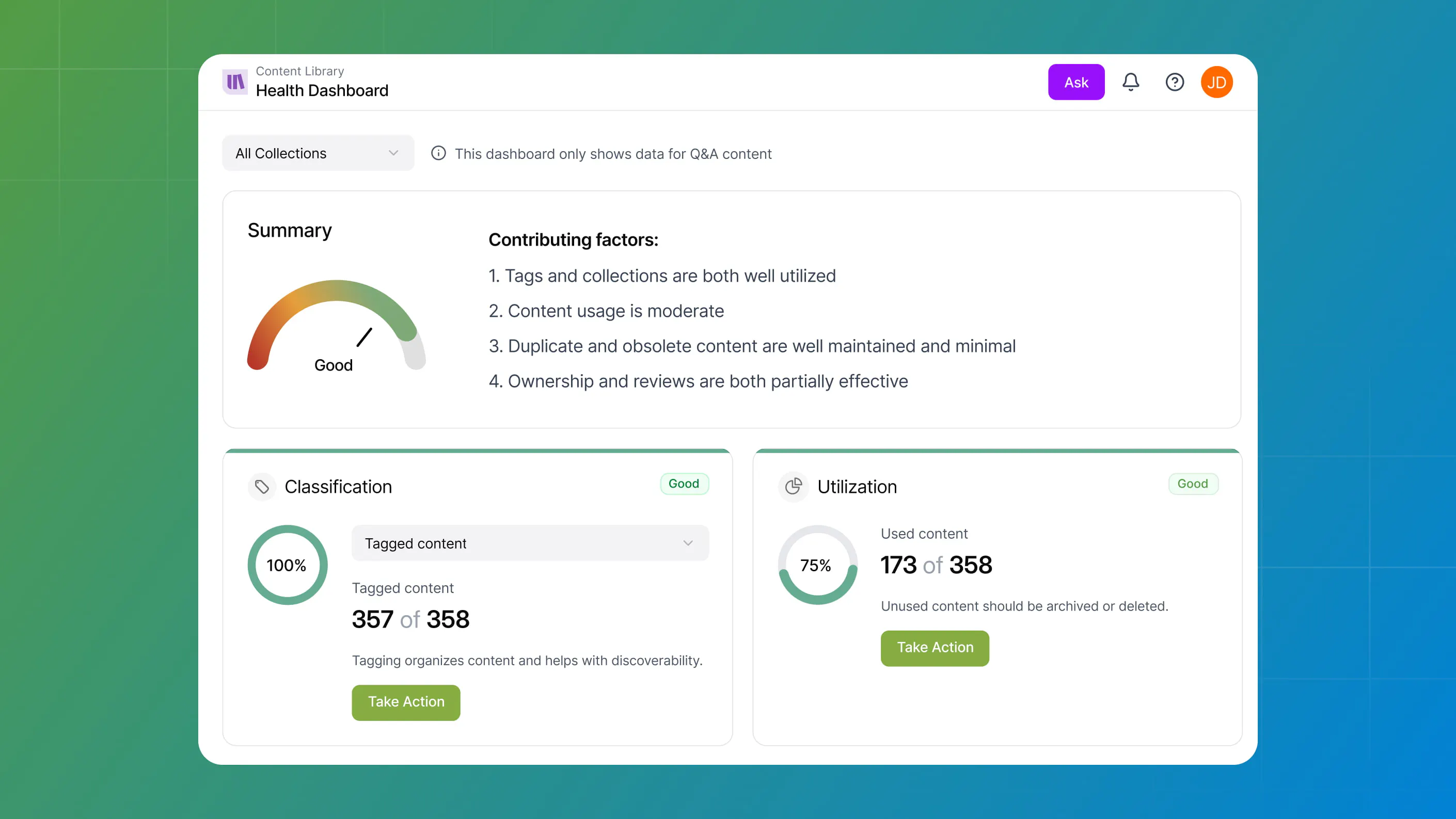
BlackLine uses Responsive to help draft from trusted content, verify answers, and save approved responses back to the Content Library. When the team receives a new answer from a subject matter expert, they do not want that knowledge trapped in a single project. They want it captured, governed, and ready for the next response.
The winning difference is now speed plus trust. Generic AI can create content quickly. Strategic Response Management requires accurate, current, source-backed answers that protect the company’s revenue, compliance posture, and brand reputation.
Trust Center helps buyers self-serve and reduces repetitive DDQs
Trust Centers play a key role in shaping modern strategic response work. For BlackLine, a Trust Center was not a “nice-to-have.” Tara said the Trust Center was a “game changer” and a deciding factor when the company evaluated strategic response platforms.
Because BlackLine works with financial and accounting data, buyers need confidence in the company’s security and compliance posture. That often shows up as annual DDQs, ITQs, and security questionnaires. Many of those requests are repetitive, time-consuming, and not directly tied to new revenue.
Responsive’s Trust Center gives prospects and customers a self-service way to access the documentation they need, including SOC reports, ISO certifications, monthly bridge letters, and other security materials.
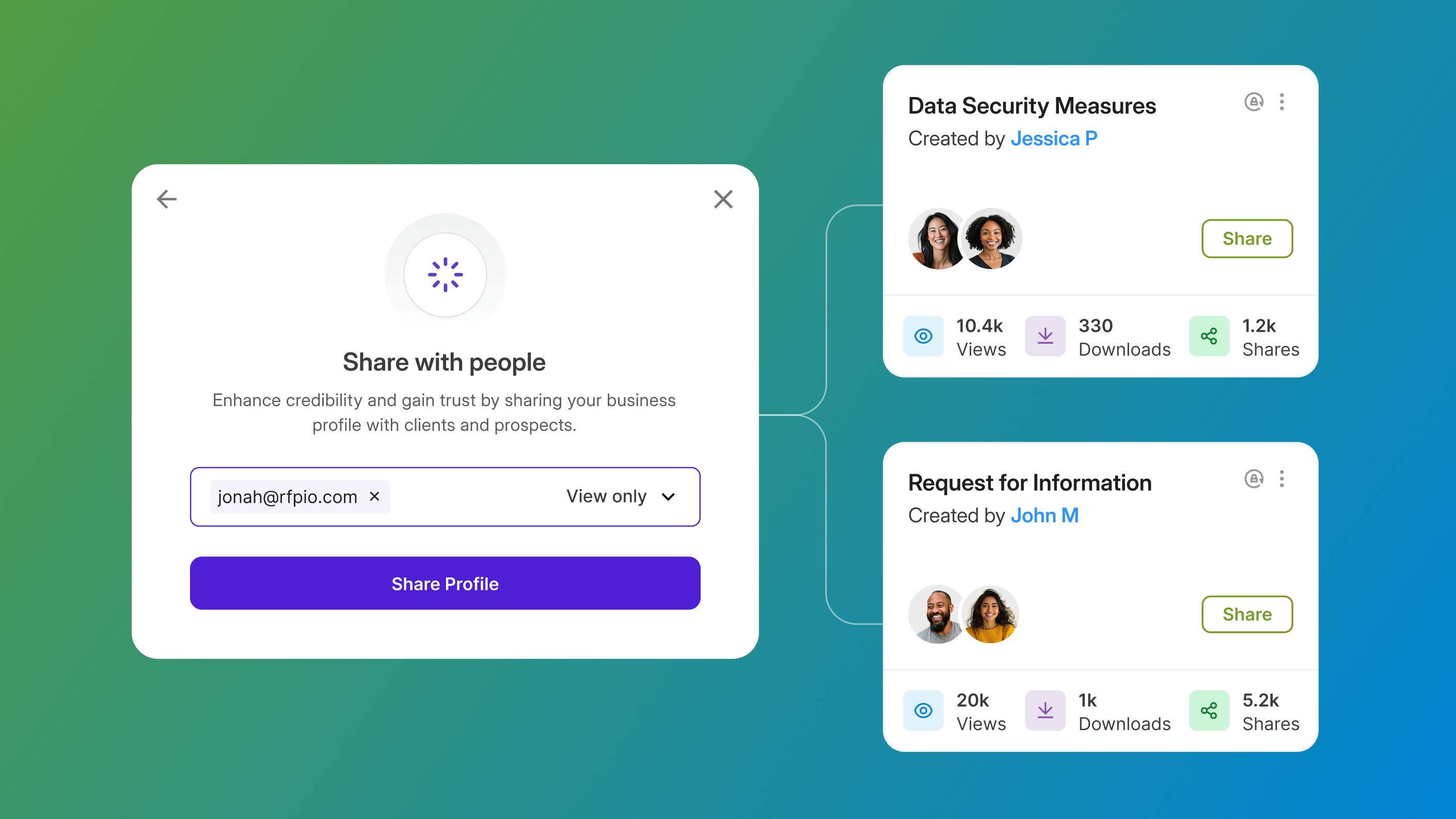
That changes the workflow for both BlackLine and its buyers. Instead of waiting until the end of a deal cycle and rushing through a security questionnaire five days before signature, sales can share trust documentation earlier.
BlackLine now trains reps to push the Trust Center first, which results in fewer last-minute scrambles and a better buyer experience. It’s a matter of being proactive rather than reactive.
That proactive motion is especially important in a buying environment where trust can slow deals down or move them forward. Security reviews are not going away. But with the right self-service experience, teams can reduce repetitive work and help buyers get answers sooner.
Proposal teams are strategic revenue drivers
Tara also makes a strong case for why proposal teams should be seen as strategic partners, not just back-office support.
Tara shared that 30% of BlackLine’s revenue is attributed to RFPs. The proposal team also currently has a 50% win rate. That kind of impact changes the conversation.
Proposal teams are often the ones managing the most up-to-date, accurate company knowledge. They know which security questions are becoming more common. They see what buyers are worried about. They understand where messaging needs to be sharper, where documentation needs improvement, and where sales needs better support.
Tara’s team has worked to build that visibility internally. BlackLine positions the team as a proposal center of excellence. Sales enablement starts early in an employee’s tenure, but Tara also recognizes that one training session is not enough. If a seller learns the proposal process on day three but does not need it until month six, they may need reinforcement.
For proposal teams, this internal marketing means being clear about process, timelines, ownership, and impact. It also means showing the business that proposal work is not just administrative. These teams play a direct, attributable role in influencing revenue.
Upskilling is now part of the proposal career path
Tara closed out the episode with the all-too-common idea of doing more with less.
Teams cannot rely on “we’ve always done it this way” as a reason to avoid change. Tara expects her team to use AI in Responsive as a first draft. From there, the work becomes more strategic: refining prompts, using agents, validating answers, routing complex responses to SMEs, and saving verified knowledge back to the Content Library.
Upskilling does not always require a massive budget, but it does require teams to make learning part of the job, most notably through training, certification, APMP resources, LinkedIn Learning, and other on-demand education. It also requires proposal professionals to continue making the case for their own value.
“I think it’s up to us as proposal professionals to make the case for ourselves,” Tara said. “Why are we important? Why are we a strategic partner in the organization and not an afterthought?”
Her advice is practical: get in front of people, show the quality of your work, and bring metrics beyond win rate. Proposal teams have a measurable impact on revenue, efficiency, content quality, and buyer experience. The more clearly they can show that impact, the more strategic influence they earn.
Watch the full episode with BlackLine
This episode of The Responsive Podcast was grounded in the reality of modern proposal work. AI can help teams move faster. A Trust Center can help buyers self-serve. A governed Content Library can improve consistency and reduce risk. These are all true, but the larger takeaway is about the evolution of the proposal profession itself.
No proposal teams just respond to requests now. They are shaping buyer confidence, protecting accuracy, supporting revenue, and helping organizations show up with one clear voice.
Watch the full episode to hear how BlackLine is deploying AI across the full pursuit lifecycle, and discover how Tara Motter is helping elevate proposals from a support function to a strategic revenue driver.

Andrew Martin
Content Marketing Manager @ Responsive
Andrew Martin covers AI adoption, RFP strategy, and proposal management at Responsive, drawing on insights from Responsive's 2,000+ enterprise customer base and original research.