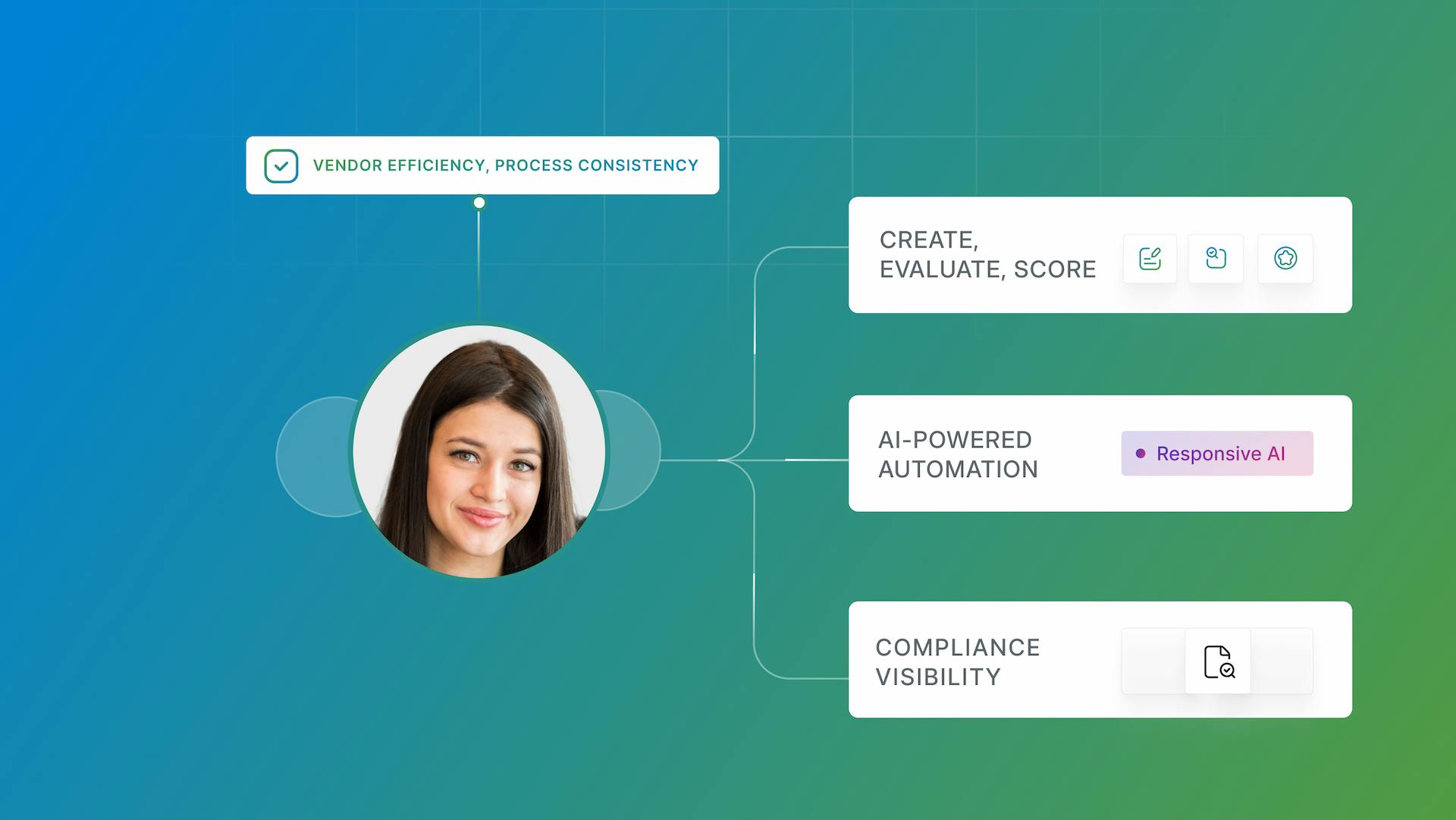
Procurement has always been about balancing value and risk; however, the role has also evolved to encompass leadership, adaptability, and innovation. Procurement has expanded beyond managing suppliers and contracts to encompass a broader range of activities. Today, procurement professionals are business partners, risk managers, and growth enablers.
If you’re looking to advance your procurement career, stay ahead of the crowd, or get started with confidence, you’ll need a blend of hard and soft skills. Some are timeless, such as negotiation. Others are newer, shaped by AI, ESG regulations, and shifting buyer expectations.
Let’s explore the seven procurement skills that matter most and learn how to start building those skills now to propel your career in the coming years.
1. Strategic thinking
Why strategic thinking matters in procurement
Strategic thinking is what separates procurement specialists from procurement leaders. It’s the difference between asking, “How do I cut costs on this deal?” and asking, “How do I make this deal work for the business long-term?”
Procurement leaders today must see the whole chessboard. That means understanding how supplier partnerships impact resilience, compliance, ESG goals, and even revenue. The best professionals anticipate risks, identify opportunities, and position procurement as a driver of growth.
When supply chain disruptions emerge, companies can lean on effective procurement leaders who have proactively diversified their supplier base. Instead of scrambling in the moment, companies can rest easy knowing that procurement has already thought strategically years in advance.
2. Data literacy
Turning procurement data into business insight
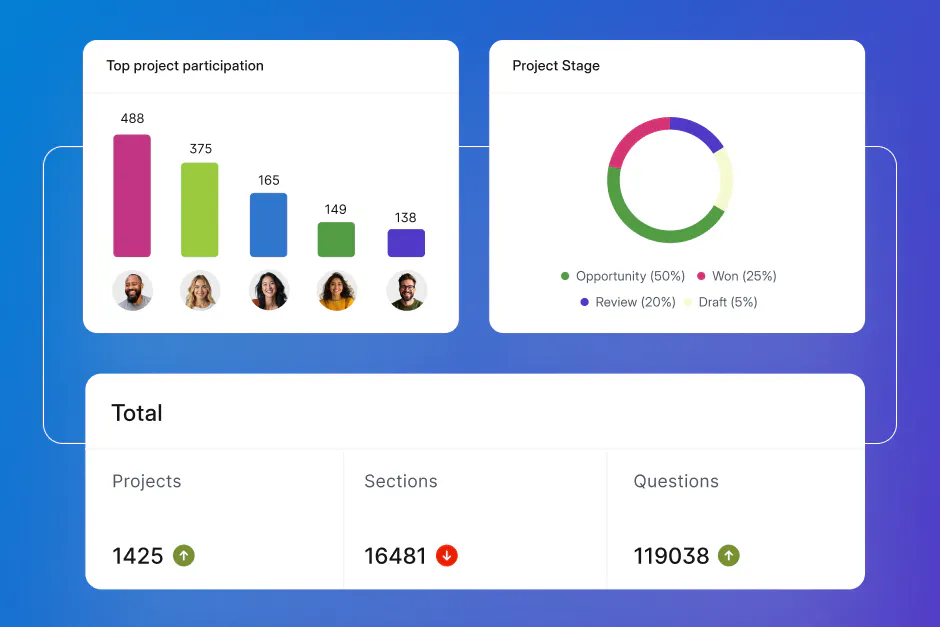
Procurement decisions are no longer made on instinct or intuition. They’re driven by data, including supplier performance reports, risk scores, cost modeling, and predictive analytics powered by AI. But here’s the catch: you don’t need to be a data scientist to excel. You need to know how to ask the right questions. Questions like:
- What does the data tell us about supplier risk?
- How can predictive insights help us negotiate better terms?
- What trends are hiding in last quarter’s spend analysis?
For example, procurement managers using AI-driven dashboards can see that one supplier’s on-time delivery rate has dropped for three consecutive months. Instead of waiting for a crisis, they can use data to renegotiate terms or secure backup suppliers.
3. Supplier relationship management
From transactions to trusted partnerships
Strong supplier relationships are more important than ever. Procurement professionals who treat suppliers like partners, not just vendors, create resilience and unlock innovation.
This involves building trust, communicating openly, and collaborating to find solutions. It’s not unusual for suppliers to bring new ideas to procurement teams, whether it’s a more sustainable process, a cost-saving technology, or a way to shorten lead times. Those opportunities only surface when the relationship is strong.
During the pandemic, companies with collaborative supplier partnerships often received priority shipments of critical goods, while transactional buyers were left waiting. These lessons continue to shape how procurement professionals approach partnerships.
4. Negotiation skills
Negotiating beyond price in today’s procurement landscape
Negotiation has always been a core procurement skill, but the process is no longer just about pushing for the lowest price. Today, negotiations include ESG standards, risk-sharing agreements, and long-term innovation roadmaps.
Great negotiators prepare by running scenarios (sometimes with the aid of AI simulations) to anticipate their supplier's responses. They know when to stand firm and when to flex. They also recognize that the best deals are the ones where both sides feel like they’ve won.
For example, global procurement leaders can use scenario planning to account for raw material price volatility. By including flexible pricing bands in the contract, both buyer and supplier can protect themselves against market fluctuations.
5. ESG and compliance expertise
Procurement’s role in sustainable growth
If procurement had a middle name, it would be compliance. From carbon reporting to supplier diversity and anti-slavery regulations, procurement sits at the forefront of corporate responsibility. This isn’t just about ticking boxes. It’s about ensuring the supply chain reflects the organization’s values and avoids costly penalties or reputational risks.
A procurement manager might be tasked with proving that suppliers meet EU sustainability reporting standards. This involves collecting verified data, auditing documentation, and collaborating with suppliers to enhance their practices. The procurement professionals who master this skill become indispensable.
6. Digital and AI fluency
Why digital procurement leadership is career-critical
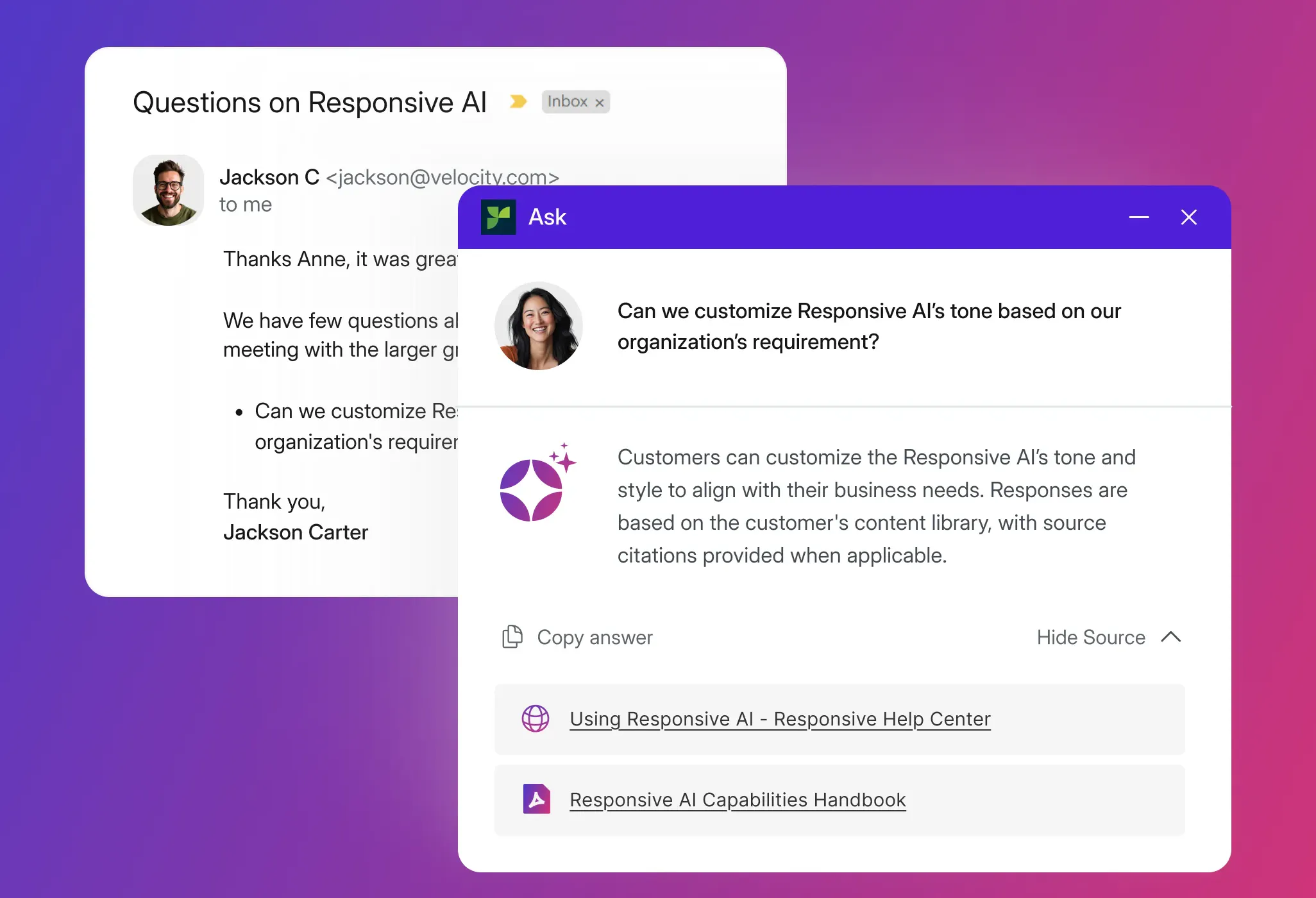
Digital transformation in procurement has moved from a trend to a new reality. AI and automation are everywhere, from drafting supplier questionnaires to analyzing risk profiles. Procurement leaders who embrace AI don’t fear being replaced. Instead, these adapters and adopters learn to guide the tools, validate the outputs, and use the saved time to focus on other strategic pursuits and tasks.
Instead of manually reviewing 300 supplier questionnaires, a procurement team can use an AI-powered platform like Responsive to highlight risks, flag incomplete responses, and suggest best-fit suppliers. These platforms save days of work and provide insights that would have been impossible to find manually.
If you want to future-proof your career, incorporate digital and AI fluency into your skill set.
7. Communication and influence
Procurement as a bridge between suppliers and the boardroom
Procurement leaders are bridge-builders. They translate complex supplier realities into clear insights for executives, and they advocate for business goals with suppliers. Communication has extended far beyond just sending updates to now involve influence.
To advance your procurement career, you need to be comfortable in both the boardroom and the back office. That means simplifying complex data into stories that executives care about: cost savings, risk reduction, and growth opportunities.
Leaders in the procurement space have to do more than share the numbers when presenting AI-powered supplier risk reports to a CFO. They frame the story: “Here’s where we’re exposed, here’s how we can mitigate, and here’s the upside if we act now.” That’s how you influence.
Resources for advancing your career
Ready to take the next step in your procurement career? Looking to update your knowledge? Or, do you want to connect with and learn from your peers? We’ve provided some helpful resources below.
Self-guided courses and certifications
These online courses enable you to pursue technical procurement skills in your free time. If you’re already in a procurement role, check with your human resources team to see if they have additional learning resources or funding for these certifications.
- Coursera – Procurement training for all levels
- LinkedIn Learning – Procurement courses
- The Chartered Institute of Procurement & Supply (CIPS)
- Institute for Supply Management (ISM)
- American Purchasing Society (APS)
- Association for Supply Chain Management (ASCM)
- Procurement tactics – Negotiation training
- Next Level Purchasing Association
- National Institute for Public Procurement (NIGP)
Procurement networks
Keep up with procurement trends and news while connecting with like-minded practitioners in one of these popular forums.
- Procurious – Social network
- Sourcing and Procurement – LinkedIn group
- Art of Procurement – Podcast, news, and trends
- Sourcing Industry Group – Peer network
Future-proof your career with these 7 procurement skills
Procurement has evolved from a reactive function to a growth engine, a risk manager, and a strategic advisor. The seven skills we outlined will help you thrive in procurement while keeping you alert to the continuously evolving technology and industry expectations.
The future belongs to procurement professionals who can balance strategy, technology, and human connection. And with AI-powered Strategic Response Management (SRM) platforms like Responsive, procurement teams can centralize knowledge, work more efficiently with suppliers, and leverage every RFP, RFI, or supplier questionnaire as a strategic advantage.
FAQ - Procurement skills

Andrew Martin
Content Marketing Manager @ Responsive
Andrew Martin covers AI adoption, RFP strategy, and proposal management at Responsive, drawing on insights from Responsive's 2,000+ enterprise customer base and original research.