If you are evaluating whether you need a GRC platform, it often signals that your compliance, risk, or security work is becoming harder to manage with your current setup. What once lived across shared folders, spreadsheets, and inboxes may now involve more people, more requests, and higher expectations for accuracy.
These pressures often surface through repeated questionnaires, audits, or trust reviews. Your sales team needs responses quickly. Your security and legal teams want confidence that answers reflect current policies. Leadership wants to know that what you share externally aligns with how the business actually operates.
In this post, we’ll help you assess whether a GRC platform fits the work you are doing today. You’ll learn what a GRC platform is designed to support, where it delivers value, where it may not address your immediate challenges, and how Strategic Response Management (SRM) fits instead or alongside GRC, depending on your workflows.
To evaluate whether a GRC platform is the right next step for you, it helps to first understand what these platforms are designed to do and how they are typically used.
What is a GRC platform?
A GRC platform is software designed to support governance, risk, and compliance programs inside your organization. At a practical level, these platforms help you document policies, track controls, and manage internal risk across different regulatory or operational frameworks.
Most GRC platforms are built to support long-term compliance efforts. They provide structure for internal reviews, audits, and assessments, helping you demonstrate how risk is identified, monitored, and addressed over time. This aligns closely with established best practices for managing internal compliance and documentation.
Because of that focus, a GRC platform is oriented around internal governance rather than external communication. While documentation stored in your GRC system may inform customer responses, the platform itself is not designed to manage live collaboration or response workflows. This difference becomes more apparent when you look at tools designed to proactively present trust information to customers.
What problems does a GRC platform solve?
A GRC platform is well-suited if you run continuous compliance programs. For example, if you need a consistent way to manage internal controls, demonstrate adherence to frameworks, and prepare for recurring audits, a GRC platform can support that work.
Risk assessments are another area where GRC platforms provide value. By centralizing risk documentation and ownership, these systems help you understand where controls exist and where gaps need attention. Over time, this gives you a clearer picture of your organization’s risk posture.
All of these workflows are internal-facing by design. A GRC platform helps you establish and maintain governance inside your organization, rather than manage how information is shared externally. That difference becomes important as customer-driven trust requests increase.
Where teams often feel GRC pressure first
You may start considering a GRC platform after dealing with repeated security questionnaires from prospects. These questionnaires often arrive during active sales cycles and contain overlapping questions that pull in contributors from sales, security, legal, and engineering.
Due diligence requests can create similar strain. Each request requires careful review, consistent language, and confirmation that answers reflect current practices. Without a structured approach, this work can quickly become disruptive across multiple teams.
It is common to assume that adopting a GRC platform will resolve these challenges. In practice, GRC platforms focus on internal governance rather than real-time response coordination. As a result, review layers can slow responses when you are trying to meet customer timelines.
That said, a GRC platform can still play an important role behind the scenes. Centralizing policies, controls, and risk documentation provides a more consistent internal foundation to draw on as external requests continue to grow. This distinction is often what leads teams to separate internal governance work from the systems they use to manage live responses.
GRC platform vs. response management: what’s the difference?
The difference between a GRC platform and response management comes down to workflow focus. A GRC platform helps you manage internal governance, risk tracking, and compliance documentation. Response management systems focus on how you respond to questions from outside your organization.
Response management supports how you create, review, and reuse approved answers across questionnaires, RFPs, and audits. It helps you collaborate across sales, security, and legal teams during active requests. This is the core idea behind Strategic Response Management.
A GRC platform typically supports this work by giving you a structured internal system for managing policies, controls, and risk over time. Response management complements that foundation by helping you turn approved information into consistent, customer-ready answers during live requests. Together, these systems support different stages of the trust lifecycle and are increasingly used in tandem. That complementarity also raises an important question about fit and timing.
When a GRC platform may be more than you need
For you, a GRC platform may be premature if you do not have a dedicated compliance or risk function and your regulatory requirements are limited. In these cases, the overhead of a full GRC system may outweigh its immediate value.
There are also practical considerations to account for. Implementing a GRC platform requires time to configure frameworks, define ownership, and train contributors. Ongoing maintenance becomes part of your daily operations, which may not align with your current priorities.
If your primary challenge is responding to external requests rather than managing internal audits, it may be more effective to focus on tools that address that work directly. In those cases, tools designed for external trust workflows help relieve the most immediate pressure.
What to use instead when your challenge is external trust
When your main challenge is external trust, Strategic Response Management addresses a different set of problems than a GRC platform. SRM focuses on how you manage and deliver answers to security questionnaires, DDQs, and RFPs.
This approach emphasizes centralized, approved answers that you can reuse with confidence. It supports speed, consistency, and traceability in live requests, which are recurring themes in Responsive’s discussion of trust center software and response workflows.
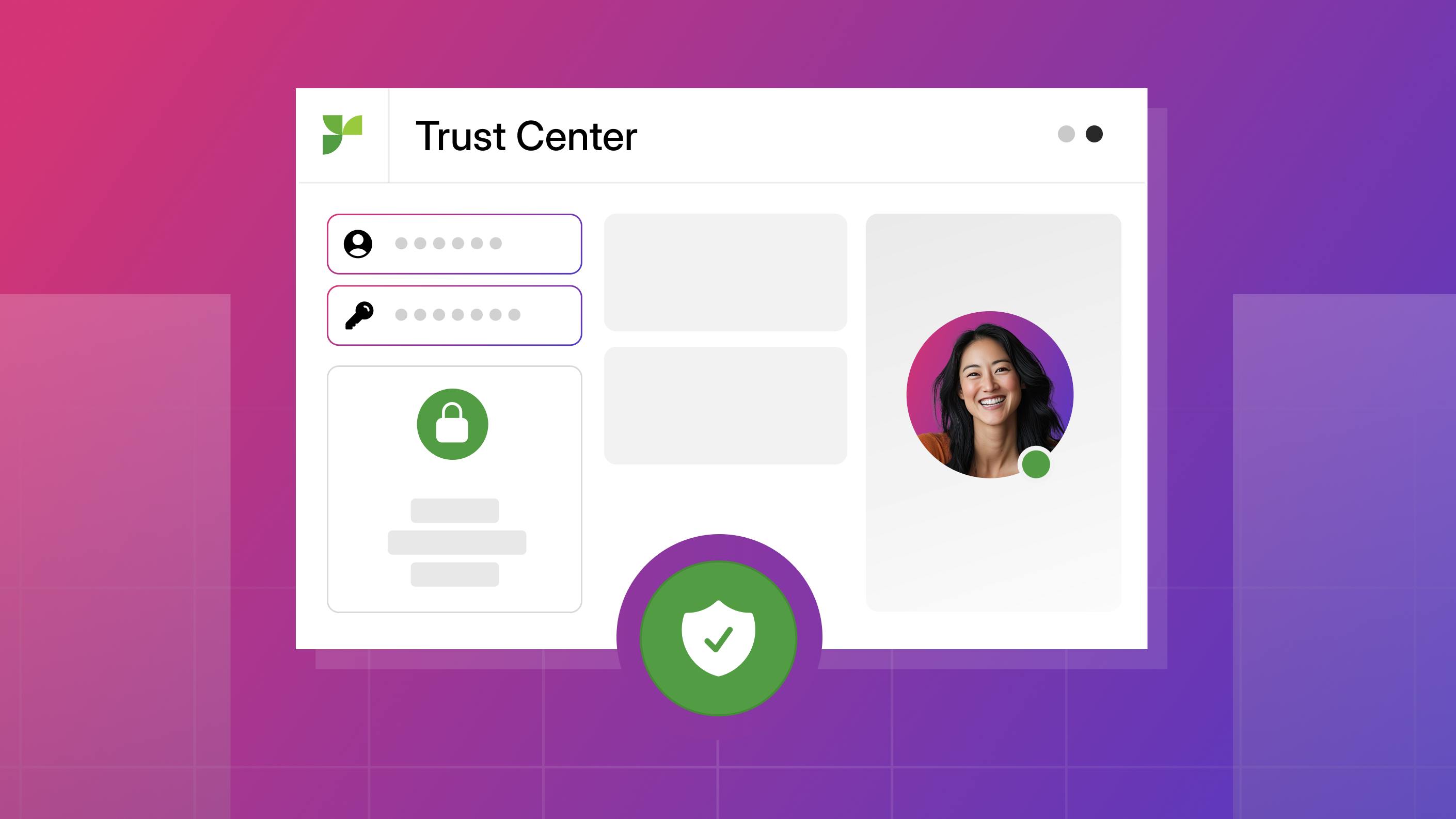
In practice, SRM can take several forms depending on how you share and respond to trust information. For example, a centralized response library helps you maintain consistent answers across questionnaires, while tools like a trust center allow you to proactively share approved documentation with prospects. Together, these capabilities help you reduce repeated work and respond with greater confidence as external requests increase.
How does Responsive support teams in evaluating a GRC platform?
Responsive is designed to work alongside a GRC platform rather than replace it. You may adopt Responsive first to manage customer-facing trust workflows, then add a GRC platform later to support internal audits and risk programs.
In practice, Responsive supports the workflows that happen most often and under the most time pressure. This includes questionnaires, RFPs, and shared trust content.
If you are part of a smaller or growing team, this flexibility can be especially useful. You can start with response management and scale into more formal governance tooling when you are ready. Responsive Lite supports teams that need structure and accuracy without a dedicated compliance function, while tools like the Trust Center help you share trusted information externally.
Decide based on the work you need to do today

A GRC platform delivers value when internal governance and risk management are your primary focus. It supports structured compliance programs and recurring audit preparation.
Many teams, however, feel pressure first from external requests. When your main challenge is responding to customer and prospect questions, response management often addresses that need earlier than a full GRC platform.
Choosing tools based on the work you are doing today helps you move forward with clarity and avoid unnecessary complexity.

Laci Texter
Content Strategist @ Responsive
Laci has more than ten years of experience creating content and GTM strategy for B2B SaaS companies which is the kind of organizations that live and die by the proposal process. At Responsive, she focuses on content that helps proposal managers, bid teams, and sales leaders understand how to respond faster, win more, and build scalable response operations. She's data-driven by nature and believes the best content answers the question the buyer is already asking.