The 2026 State of Strategic Response Management Report



The 2026 State of Strategic Response Management Report
AI has moved from novelty to mandate
With input from more than 1,100 senior decision-makers and practitioners across regions and industries, discover how the most mature organizations are adopting technology and evolving operations to see shorter sales cycles, greater revenue, and happier employees.
Access reportTighter budgets and faster response expectations are now baseline conditions for winning business. 84% of organizations say buyers have tighter budgets, and 82% say buyers expect faster response times.
It’s no surprise that 67% say bid, proposal, and strategic response teams are under increasing pressure.
New this year, we introduce the SRM Maturity Index (Leaders vs. Novices), a way of grouping organizations by how effectively they capture, govern, and share the intelligence behind every response.
SRM Leaders are significantly more likely to report year-over-year revenue growth from RFPs and other strategic responses (73% vs. 60% of Novices), tying mature SRM practices directly to top-line performance.
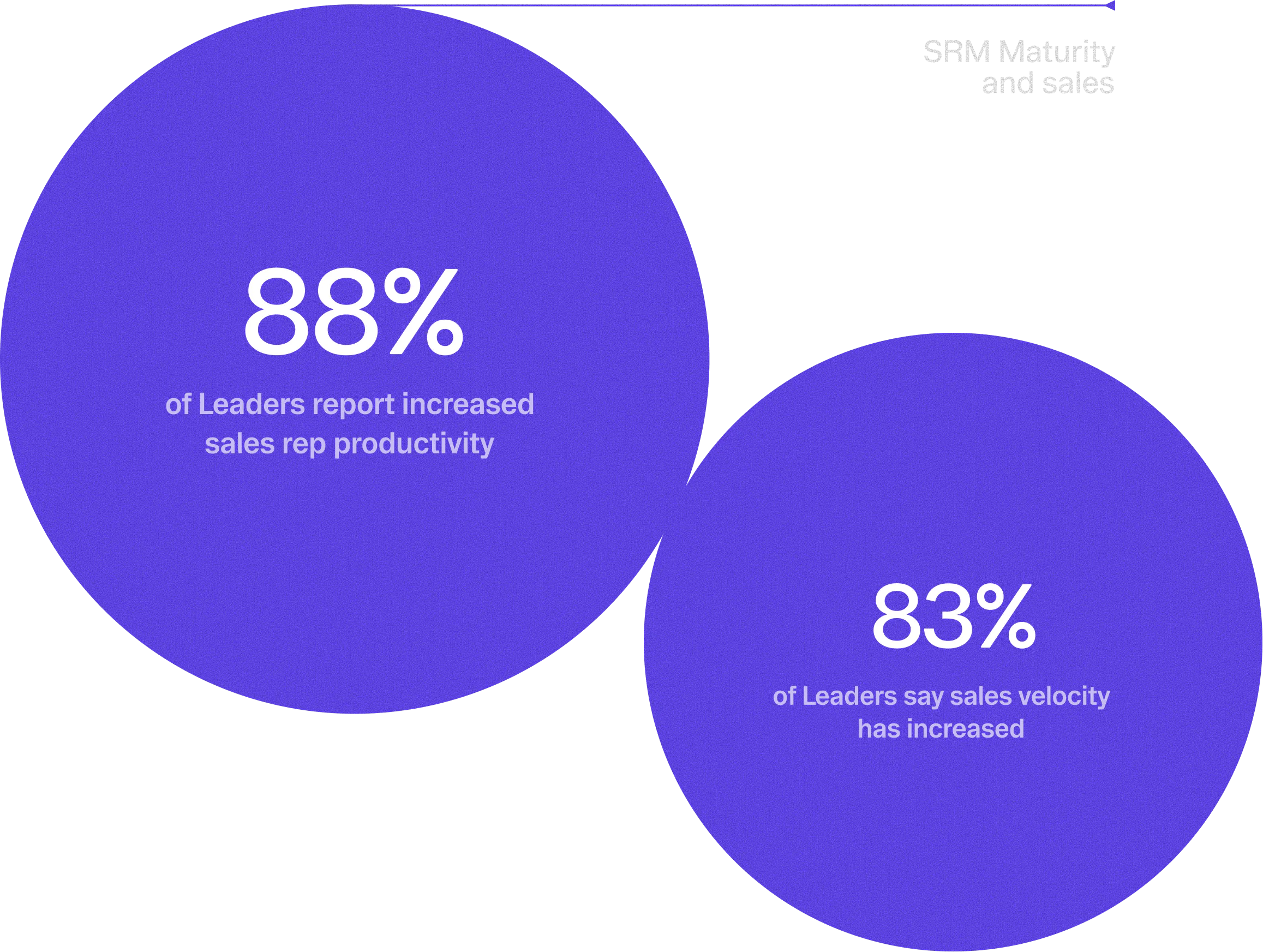
SRM Leaders are ahead on AI depth, discipline, and resourcing: 81% use AI tools for SRM compared with 60% of Novices, and 6 in 10 say all or most of these tools are already delivering positive ROI.
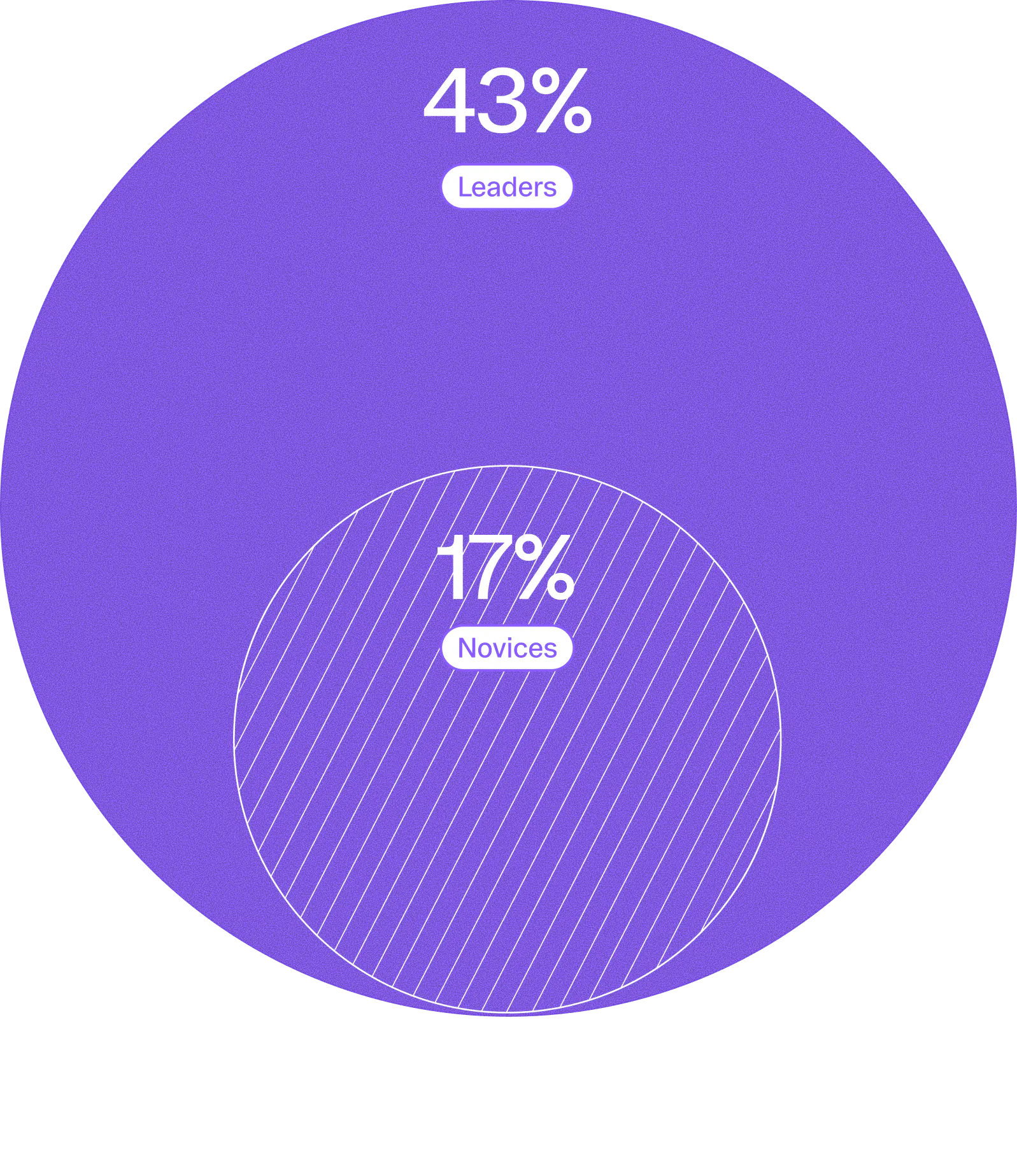
Across the full sample, only about 1 in 4 organizations is investing in people, technology, and training at once to support AI deployment. Within that group, SRM Leaders are heavily over-represented: 43% of Leaders say they are investing in all three, compared with just 17% of Novices.
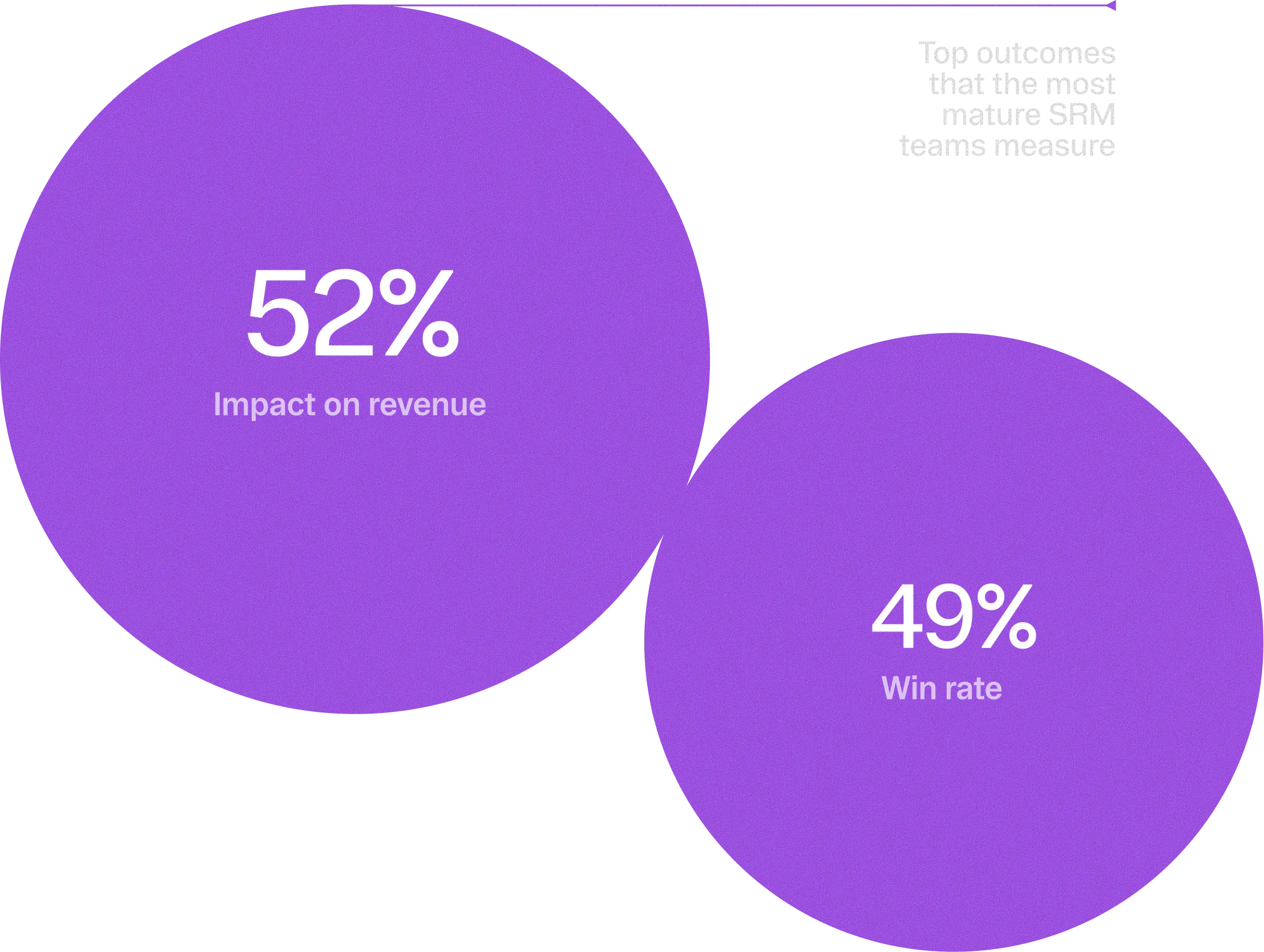
The strongest Strategic Response Management teams don’t stop at speed and accuracy. They also measure the business outcomes their work drives, creating a clearer link between response execution and growth. Among Leaders, 52% rank revenue impact as one of their top performance metrics, and 49% prioritize win rate.
That discipline helps explain why these teams outperform. By tracking the outcomes that matter most, they make SRM more visible, more accountable, and more tightly aligned to how the business grows.
Translate data into action. The report includes a five-pillar playbook and a 12-month roadmap to propel your organization up the maturity curve.
The pressure on response teams isn’t letting up
Tighter budgets and faster response expectations are now baseline conditions for winning business. 84% of organizations say buyers have tighter budgets, and 82% say buyers expect faster response times.
It’s no surprise that 67% say bid, proposal, and strategic response teams are under increasing pressure.
The SRM Maturity gap
New this year, we introduce the SRM Maturity Index (Leaders vs. Novices), a way of grouping organizations by how effectively they capture, govern, and share the intelligence behind every response.
SRM Leaders are significantly more likely to report year-over-year revenue growth from RFPs and other strategic responses (73% vs. 60% of Novices), tying mature SRM practices directly to top-line performance.
From automation to orchestration
SRM Leaders are ahead on AI depth, discipline, and resourcing: 81% use AI tools for SRM compared with 60% of Novices, and 6 in 10 say all or most of these tools are already delivering positive ROI.
Across the full sample, only about 1 in 4 organizations is investing in people, technology, and training at once to support AI deployment. Within that group, SRM Leaders are heavily over-represented: 43% of Leaders say they are investing in all three, compared with just 17% of Novices.
Leaders hard-wire accountability into SRM
The strongest Strategic Response Management teams don’t stop at speed and accuracy. They also measure the business outcomes their work drives, creating a clearer link between response execution and growth. Among Leaders, 52% rank revenue impact as one of their top performance metrics, and 49% prioritize win rate.
That discipline helps explain why these teams outperform. By tracking the outcomes that matter most, they make SRM more visible, more accountable, and more tightly aligned to how the business grows.
The SRM Maturity playbook
Translate data into action. The report includes a five-pillar playbook and a 12-month roadmap to propel your organization up the maturity curve.
Featuring insights from industry leaders:
Featuring insights from industry leaders:

Stephanie Benavidez
Vice President of Sales Enablement and Proposal Management
 01/06
01/06“The proposal or strategic response function is evolving from a support role into a center of gravity for disciplined growth.”

Crystal Wright
Manager, Sales Operations Services
 02/06
02/06“The first questionnaire that we were able to get done, majority with AI, and take our time to completion down to days instead of weeks, was a pretty incredible feeling.”

Ken Lebek
Senior Bid Manager
 03/06
03/06“The magic comes from getting people to work with the tools, to really get their knowledge in the tools, and then make this knowledge work.”

Stef De Clerck
Co Lead Proposal Management
 04/06
04/06“As content becomes more centralized, the proposal function can evolve into something more strategic.”

Tara Motter
CF APMP
 05/06
05/06“Currently, 74% of our draft answers are pre-filled by AI within minutes of starting a new RFP project. Our SMEs can now receive a nearly complete first draft and are simply asked to ‘edit for brevity and clarity, and make it more tailored to the client’ — a change they have enthusiastically embraced.”

Dirk Günter Karl Müller
Group Leader, Bid Management
06/06“I see bid managers evolving to skilled moderators of a proposal process.”
2026 Financial Services Industry Report
Discover how leading firms around the world are adopting technology and evolving their operations for sustainable wins in 2026.
Access report
2026 SRM Report - EU/UK Edition
Discover how leading teams in the UK and Europe are moving faster, responding smarter, and winning more in 2026.
Access report
2026 SRM Report - ANZ Edition
Discover how leading organizations in the ANZ region are seeing shorter sales cycles, greater revenue, and happier employees.
Access report


Discover all the ways the most successful teams are moving faster, responding smarter, and winning more in 2026.
By submitting, you agree to receive occasional marketing emails from us. You can unsubscribe at any time. View our Privacy Policy.